
Bali and Thailand are among the top destinations for living and working, thanks to incredible low cost of living, favourable coworking networks, tropical landscapes, and rich cultures. But it’s dramatically different in the real world these recent few years. Immigration officials have stopped being oblivious to gray areas in employment and travellers using out-of-date information could encounter major issues.
The digital nomad movement has been reshaping the landscape of Southeast Asian migration as governments introduce new visa schemes and thrust stronger laws and enforcement against them. Knowing what entry hurdles are most likely to be encountered this summer can help you avoid any legal issues and have a more steady and stable long term stay.
Relying on Tourist Visas and Border Runs
The most common error digital nomads still make is that tourists visas and regular border runs will work in the long-term. Many people for years have been able to work remotely and then return and re-enter another country, sometimes “overseas” for months or even years on tourist visas.
But this solution is becoming more and more dangerous. Thailand has started to take stricter measures in its visa category policies, as well as remove its preceding generous visa exemption category for long term travelers. The immigration officers are also getting tougher on the visas of repeat travelers, those whose entries are frequent and repeated crossings especially, if they seem to fit the criteria of what a tourist should be.
Indonesia is also doing a lot to tighten up regulations particularly in Bali’s hot spots for digital nomads like Canggu, Ubud and Uluwatu. Foreigners suspected to be working without tourist visas are being tracked down. Offenders who break the conditions of the visa will be penalized for doing so, and may be fined, deported or prohibited from returning to the country in the future.
Assuming Content Creation Is Not Considered Work
Another big error in judgment is when the Immigration Officer confuses “commercial activity” with “business operations. If they are not monetizing from local companies, the influencers, bloggers, photographers and content creators think that they are not working. Unfortunately, that assumption can generate some serious issues.
Immigration officials are stepping up their attempts to consider promotion as work, even if it’s not paid in wages. For instance, an added value hotel stay, free meals, a spa treatment or a reduced experience, in exchange for social media coverage would be considered commercial and not leisure travel.
This is a growing problem in Bali where it is public knowledge that the government has cracked down on foreign tourists doing promotional partnerships using their tourist visas. Social media posts and sponsored content, especially if it seems to benefit the company with regard to business, can be seen.
Digital nomads who frequently generate money from their content or work with brands are required to take the time to examine their visa for conditions, and make sure they are playing within the law. The innocent Insta-business collaboration could land you seriously in trouble when it comes to immigration.
More Digital Nomad Guides To Explore
Could Thailand’s DTV Suit You?
Check out the visa designed for remote workers and nomads.
Which Nomad Visa Costs Less?
Find the most affordable options across Southeast Asia.
How Does Japan’s Visa Compare?
Uncover how Japan stacks up against competing nomad destinations.
What Do Bali’s Tax Rules Mean?
Look into the latest guidance for remote workers in Indonesia.
Where Should Nomads Live In Indonesia?
Browse top cities offering affordable and productive remote lifestyles.
Ignoring New Digital Entry Requirements
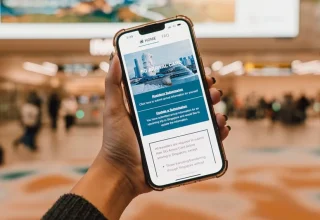
The third error that many tourists often commit is to not be ready for the updated means of Digital entry that are in place prior to departing. The processes of immigration to Southeast Asian countries are increasing use of technology, necessitating the completion of on-line forms and declarations before coming into the country.
From now on all visitors to Thailand have to fill in the appointment registration form: the Thailand Digital Arrival Card which is the replacement of the conventional paper form. Likewise, tourists who are going to Bali have to follow different steps which require online pre-registration and tourism documentation before travelling to Bali.
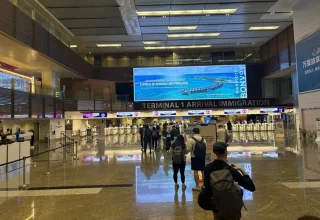
Those who come without the proper electronic paperwork might be subjected to delays, questions or even problems while getting on the planes. Immigrators are also being watchful regarding their room accommodation and travel plans to the next destination as well as financial stability, showing they have the means to support themselves while in the country.
Putting these things in place beforehand will not only lessen stress but will also prove your adherence to more demanding entry requirements.
FAQs
Is it legal to work in Bali as a digital nomad?
In principle, digital nomads can legally work in Bali remotely with a valid visa which allows for their activities and abide by Indonesian immigration rules.
Should border runs be kept as a policy for 2026?
Additionally and not insignificantly, the regulations on immigration have become increasingly tricky, technically speaking, because of increased security on the border, closer monitoring of all movement and repeated tourist entries to discourage longer immigration.
Do influencers run the risk of getting in trouble with their posts about products?
Yes. Immigration officers might view the promotion as commercial activity if an influencer is provided with room and board, food or services for creating promotional material.