

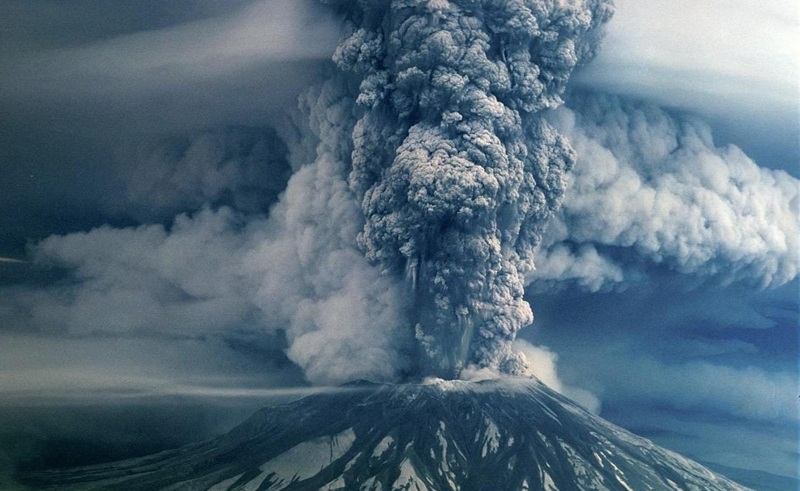
Volcanic eruptions in the 20th and 21st centuries have caused catastrophic loss of life and reshaped entire regions. From pyroclastic flows to widespread ashfall, each eruption underscores the immense power of nature and the resilience of affected communities.
1. Nevado del Ruiz – Colombia (1985)
The eruption triggered massive lahars after melting glacier ice, burying the town of Armero. Despite prior warnings, lack of evacuation led to severe casualties. The disaster exposed flaws in emergency preparedness and triggered major reforms in Colombia’s disaster management systems.
- Casualties & Aftermath:
- Around 23,000 dead
- Entire town lost; recovery and resettlement took several years
- Nearly 5,000 injured, 3,300 missing
2. Mount Pelée – Martinique (1902)
A sudden and violent eruption of pyroclastic flows obliterated the city of Saint-Pierre. Most residents died within minutes. The event changed scientific understanding of pyroclastic surges and spurred early volcano monitoring efforts.
- Casualties & Aftermath:
- About 29,000 fatalities
- Saint-Pierre remained in ruins for decades before partial reconstruction
- Only two survivors from the city
3. Mount St. Helens – USA (1980)
A massive landslide triggered a lateral eruption, flattening forests and blowing ash across multiple states. It was the most destructive volcanic eruption in U.S. history, altering local topography and initiating large-scale environmental research.
- Casualties & Aftermath:
- 57 confirmed deaths
- Billions in damage; recovery and ecological restoration spanned years
- Led to improved volcanic alert systems in the U.S.
4. Mount Merapi – Indonesia (2010)
A powerful eruption caused pyroclastic flows and widespread ashfall. Emergency evacuation was initiated quickly, saving many lives. The event emphasized Indonesia’s vulnerability and need for rapid-response planning.
- Casualties & Aftermath:
- 353 deaths and hundreds injured
- Over 280,000 displaced
- Recovery involved relocation and rebuilding across months
5. Mount Ontake – Japan (2014)
An unexpected phreatic eruption occurred during peak hiking season. With no prior warning, many hikers were caught off-guard on the mountain slopes. It was the deadliest volcanic disaster in Japan in decades.
- Casualties & Aftermath:
- 60 people killed
- Search and rescue lasted weeks
- Prompted Japan to reassess volcano hazard communication
6. Mount Sinabung – Indonesia (2014)
After centuries of dormancy, the volcano erupted explosively. Ashfall, lava flows, and toxic gas led to ongoing evacuations. Communities were displaced repeatedly over the following years due to continued activity.
- Casualties & Aftermath:
- 16 deaths in 2014 alone
- Thousands evacuated multiple times
- Permanent relocation zones established around the volcano
7. Volcán de Fuego – Guatemala (2018)
A deadly series of pyroclastic flows swept through nearby villages after a major eruption. Many residents had little time to react. The aftermath challenged Guatemala’s disaster response capacity.
- Casualties & Aftermath:
- 98 confirmed deaths
- Dozens missing or injured
- Significant property loss; evacuation plans reevaluated
8. Mount Nyiragongo – DR Congo (2002)
Fast-moving lava flows engulfed large parts of Goma, destroying thousands of homes. The sudden eruption forced mass evacuations under extreme pressure.
- Casualties & Aftermath:
- 147 fatalities
- Over 400,000 evacuated
- Large parts of Goma had to be rebuilt over several years
9. Mount Agung – Bali, Indonesia (1963)
This eruption lasted months, producing deadly pyroclastic flows and lahars. It was one of the most powerful eruptions in Indonesia’s modern history and caused significant social and economic disruption.
- Casualties & Aftermath:
- Approximately 1,584 killed directly
- Additional 200+ died from lahars
- Entire villages were relocated; recovery stretched over a decade
10. Mount Lamington – Papua New Guinea (1951)
A sudden and violent eruption produced pyroclastic flows that wiped out nearby villages. Emergency response was slow due to geographic isolation, but relief eventually came via international aid.
- Casualties & Aftermath:
- Around 2,942 deaths
- Thousands made homeless
- Slow but complete recovery over several years
11. Mount Pinatubo – Philippines (1991)
One of the largest eruptions of the century, Pinatubo’s ash and gases altered global climate briefly. A successful evacuation reduced fatalities, but long-term lahars caused repeated damage.
- Casualties & Aftermath:
- 847 deaths
- Over 2.1 million affected
- Lahars continued for years; recovery spanned decades
12. Mount Semeru – Indonesia (2021)
A lava dome collapse caused pyroclastic flows and mudslides that engulfed villages. Rain and ash complicated relief efforts. Swift rescue operations minimized casualties compared to potential scale.
- Casualties & Aftermath:
- 69 confirmed dead, 104 injured
- Over 10,000 displaced
Read Also: Krasheninnikov Volcano erupts after 6 centuries – linked to Russia earthquake?
Recovery operations lasted several months; many villages rebuilt