


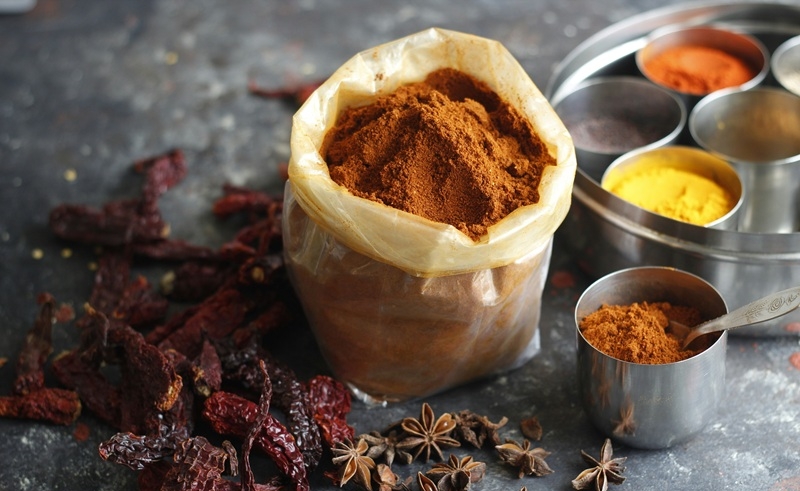
Starting with the bright cuisine of Japan to the herbal cultures of China and India, Asian cuisine has always welcomed into its fold foodstuffs that not only help sustain the body but also calm the mind. Modern science has confirmed what ancient wisdoms have long understood, that some of the traditional Asian cuisines contain amazing health-giving properties. These are so-called superfoods that are good to maintain the cardiovascular system, enhance digestion, boost immunity and even improve the work of the brain. Kimchi and Turmeric, among others, to goji berries and matcha, these natural powerhouses are getting international recognition due to their nutrient-rich content and therapeutic properties. The following is what seven outstanding Asian superfoods are and how they are proven to be healthy.
Top 7 Asian Superfoods and Their Health Benefits
| Superfood | Origin | Key Benefits |
| Turmeric | India | Anti-inflammatory, boosts brain and heart health |
| Kimchi | Korea | Improves digestion, strengthens immunity, lowers cholesterol |
| Goji Berries | China | Enhances vision, supports immunity, rich in antioxidants |
| Seaweed | Japan/Korea | Supports thyroid, promotes heart health, aids digestion |
| Matcha | Japan | Enhances metabolism, boosts focus, rich in antioxidants |
| Gynostemma (Jiaogulan) | China/Thailand | Regulates blood sugar, anti-aging, cardioprotective |
| Natto | Japan | Strengthens bones, supports heart and gut health |
Exploring the Superfoods: Nutrient Powerhouses of Asia
As a standard ingredient in Indian food, turmeric is a source of curcumin, which is one of the strongest anti-inflammatory agents that improves the health of the brain and heart. It has been found to potentially lower the risk of chronic illness because it enhances the functions of blood vessels and overcomes oxidative stress.
Fermented Korean delicacy Kimchi is full of probiotics that normalise gut microbiome and fortify immunity. It is also rich in fibre and antioxidants that make it very beneficial in the prevention of heart illnesses by lowering bad cholesterol.
Chinese goji berries or wolfberries contain many vitamins A and C, iron and 18 amino acids. They are famous for stimulating eye health and fighting cellular damage with strong antioxidants.
The Japanese and Korean cuisines are rich in seaweed, which is a source of iodine, which is necessary for the thyroid and plant-based omega-3s, which are beneficial to the heart and digestive system.
Matcha is the powdered green tea of Japan that provides a high level of antioxidants, in particular EGCG, which increases metabolism and fat burning. The L-theanine amino acid in matcha increases concentration and relaxation of the mind.
Gynostemma (Jiaogulan) is the so-called Herb of Immortality, which has anti-ageing properties and also provides an energy boost. The compounds that it contains help to regulate blood sugar levels and prevent heart disease.
Natto is fermented soybean and is a source of probiotics and Vitamin K2, which is crucial to bone density and heart health. Its enzyme nattokinase enhances the circulation of the blood and lowers the chances of clotting.
FAQs
1. What Asian superfood is the healthiest for our gut?
Kimchi and natto are the best options because they are probiotics that enhance gut microbes’ digestion and balance.
2. Is it possible to incorporate these superfoods into the daily foods?
Yes, one can use them in smoothies, salads, tea, and soups or rice to obtain daily health benefits.
3. Which of the superfoods is the most helpful in maintaining brain activity?
Turmeric and matcha are very good for enhancing memory, concentration, and the mind.
Disclaimer: Stay updated with the lastest news, from politics to business trends, while also catching up on the lastest news in sports covering matches, scores, and tournaments. Explore the latest news in entertainment with celebrity updates, movies, and shows, and don’t miss the latest news in games, featuring trending releases and esports highlights.