
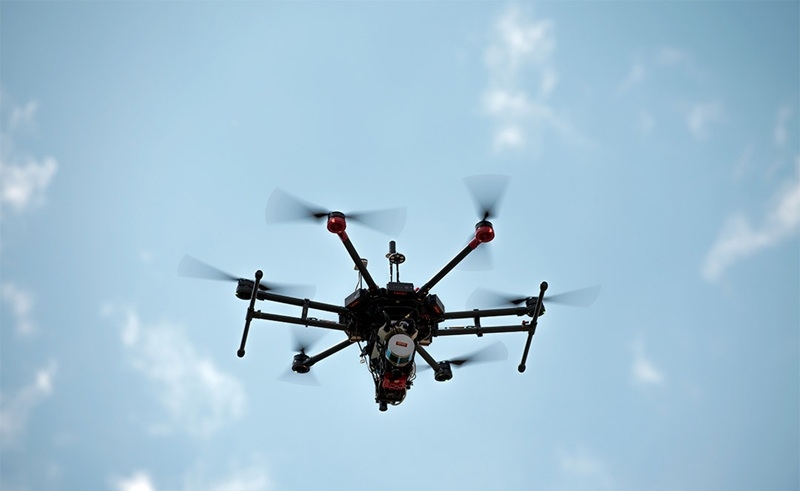
Flying a drone in Thailand is an absolute thrilling experience for those who want to have a closer look at the amazing temples, beaches, and nature of the country, but it is also highly regulated. The Civil Aviation Authority of Thailand (CAAT) through its Notice No. 9 has been made to the public about its latest drone legislation that will be effective up to 15 November 2025. The present moment sees the parts of the country where the operations of drones are legal, but these still face public safety measures in terms of registration as well as restrictions on flights.
No-fly zones are still spotted in certain border areas, while all other operations are subject to prior approval. This guide is intended to inform the tourists about the various drone regulations including the latest registration procedures, and safety practices that are necessary or at least recommended for every traveler before entering Thailand with their drones. For those who are exploring innovative ways to earn or create travel content, you can also check out Side Hustles to Start in Thailand 2025 to complement your drone adventures in the country.
1. Updated Drone Operation Rules (2025)
Drone flights are allowed throughout Thailand except in restricted districts along the Thai–Cambodian border and within nine kilometers of any airport. Flights are only permitted between 6:00 a.m. and 6:00 p.m., up to a maximum altitude of 90 meters. Operators must submit flight details at least three days in advance via the CAAT UAS Portal (uasportal.caat.or.th) and notify the Anti-Drone Centre by email.
2. Mandatory Drone Registration
Every drone has to be registered with the National Broadcasting and Telecommunications Commission (NBTC) and the Civil Aviation Authority of Thailand (CAAT) both in order to legally operate the drone in Thailand.
- NBTC: The registration is done for the purpose of drone ownership and radio frequency registration.
- CAAT: For pilot certification and operational approval.
3. Key Safety and Flying Conditions
- Drones must always be in the operator’s visual line of sight and must not be flown over people, government buildings, or military areas.
- Flights at night (00:01-04:00) will not be allowed at all unless there is a written permission.
- Drones are not allowed to carry dangerous goods and must not fly over large gatherings, events, and hospitals.
4. Reporting and Enforcement
The consequences can be fines, confiscation of the drone, or even imprisonment. If someone witnesses a drone violating its rights, he can report the incident along with time, location, and photographic evidence to the CAAT, Anti-Drone Center, or police.
Disclaimer: Stay updated with the lastest news, from politics to business trends, while also catching up on the lastest news in sports covering matches, scores, and tournaments. Explore the latest news in entertainment with celebrity updates, movies, and shows, and don’t miss the latest news in games, featuring trending releases and esports highlights.