









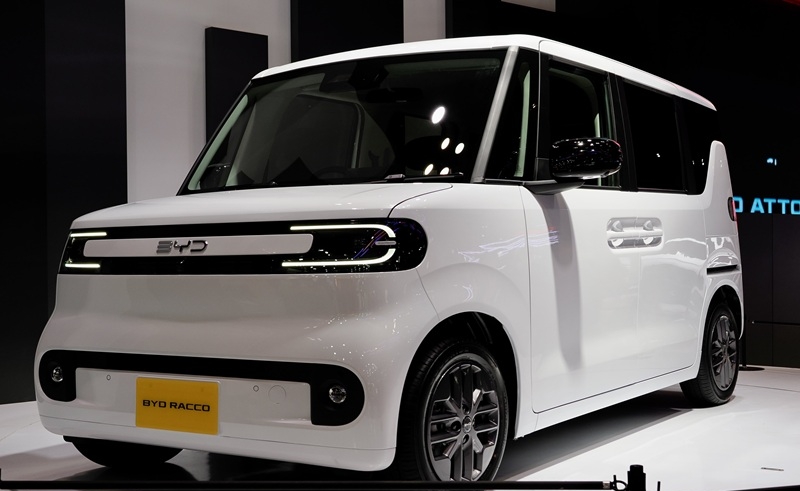
ASEAN is fast becoming the next EV battlefield, and Chinese EV brands like BYD are moving aggressively to claim the market. For millions of consumers across Southeast Asia, these electric vehicles promise something powerful: cheaper car ownership, lower fuel costs, and a quicker path to cleaner mobility. Chinese EV investment becomes a quick path to the electrification of governments that are keen to reduce emissions and oil imports. But there is a catch. As the region leans on imported platforms, batteries, and software, a new kind of tech dependency could emerge—one that shapes data, jobs, and industrial policy for decades.
Why ASEAN Attracts Chinese EV Brands
Possessing a young demographic, increase in incomes, and urban congestion, ASEAN is an inherent growth market of EVs. Chinese EV brands like BYD, already battle-tested in their huge domestic market, see the region as the next frontier. They are able to provide entire ecosystems, cars, batteries, charging solutions at prices that beat many of the western and Japanese competitors. It is desirable to establish a plant in such countries as Thailand, Indonesia, and Vietnam because of free trade agreements, special economic zones, and local assemblies. To the ASEAN governments, this investment comes with factories, employment and a green transition success story on the surface.
Cheaper EVs vs Strategic Dependency
The main question is will this EV wave empower ASEAN or further dependency? On the one hand, the low prices of EVs can help decrease the expenses of transportation, enhance the quality of air, and democratize car ownership. However, if critical technologies—battery manufacturing, software platforms, over-the-air updates, and charging standards—remain controlled by Chinese EV brands, the region risks long-term reliance. The information that is produced by networked vehicles, including route patterns and location tracking, may be concentrated in alien ecosystems. This can in the long term weaken the capacity of ASEAN to develop its own EV brands, to negotiate fair terms or to switch to alternative technology.
Building Local Capacity in the EV Era
In order to avoid tech reliance and at the same time accept growth, ASEAN has to employ a two-fold approach. Initially, take advantage of the Chinese EV investment to create not only assembly lines but also local supply chains, workforce, and R&D capacity. Secondly, advocate for technology transfer, collaborations, and open standards in the fields of batteries, software, and charging networks. The competition of local startups, universities, and regional car brands can be fostered through support. If ASEAN considers Chinese EV brands like BYD as allies and not as vicinities, the area can get the best out of the EV battlefield and make it a platform for real industrial uplift and strategic independence.
Disclaimer: Stay updated with the latest news, from politics to business trends, while also catching up on the latest news in sports covering matches, scores, and tournaments. Explore the latest news in entertainment with celebrity updates, movies, and shows, and don’t miss the latest news in games, featuring trending releases and esports highlights.