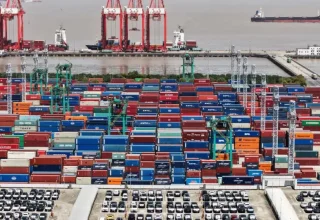










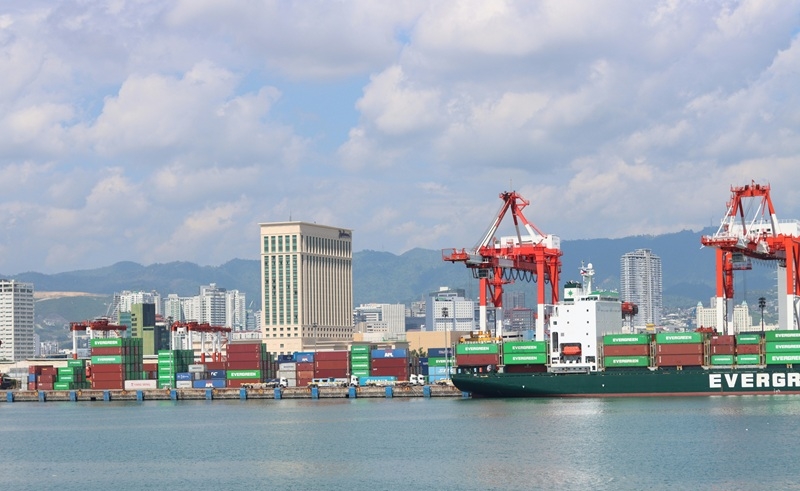
ASEAN sits on shipping lanes that connect East Asia, South Asia, and Europe, so trade routes keep circling back to the region to a key factor shaping the ASEAN Economic Outlook 2026. Ports, industrial parks, and cross-border trucking networks have expanded across the last decade, and capacity now looks less fragile than it used to. And supply chain managers like predictability, even when headlines stay noisy. That’s the simple truth.
Trade coverage also tracks ASEAN because several member economies now act as production bases for parts and final products, not only low-cost assembly. This shift shows up in order books, freight demand, and factory hiring patterns. Some weeks look quiet, then a rush follows. That happens.
What Makes ASEAN’s Export Performance Remarkably Resilient
Resilience in exports often means two things: shipments do not collapse fast, and recovery does not take forever. ASEAN has shown both traits in recent cycles, helped by variety in products and buyers. A country selling only one major item gets hurt quickly, but mixed baskets hold up better. That is common sense, still worth saying.
A few stabilisers keep appearing in regional trade notes:
- Multiple export categories across member states, so one slowdown does not hit everyone equally
- Strong base of intermediate goods that stay needed even during soft demand
- Manufacturing that can shift product mix, not perfectly, but enough to keep lines running
Sometimes the boring setup is the strongest setup. It is not glamorous.
Supply-Chain Diversification Is Redirecting Global Manufacturing Toward ASEAN
Global firms have been spreading production across several locations to reduce single-country risk. ASEAN benefits because it offers choice: different wage levels, different skills, different incentives, different port access. And it also offers proximity to existing Asian supplier networks, so components can still move fast.
Electronics is a clear example. Chips, circuit boards, and consumer devices rely on layered supplier chains, and ASEAN economies fit inside those layers. Auto parts, appliances, and industrial components follow similar patterns. The shift is real, but it is not a neat straight line. Some projects pause, some restart, and that messiness is normal.
How Trade Agreements Strengthen ASEAN’s Export Competitiveness
Trade agreements matter most when they cut delays, simplify documents, and reduce surprise costs. ASEAN-linked frameworks, including wider regional deals, tend to support smoother sourcing across borders, especially for parts that cross multiple countries before final assembly. Paperwork still exists, but less friction changes decisions at scale. That is how procurement teams think.
A practical way to see it is shipment planning. When rules are clearer, firms can plan longer cycles, lock supplier contracts, and keep buffer stock lower. And that saves money quietly, not with fanfare. Many exporters care more about predictability than small tariff tweaks. That sounds dull, yet it drives behaviour.
Market Diversification That Shields ASEAN from Global Shocks
A region selling mainly to one market can get trapped in that market’s politics and demand swings. ASEAN exporters have been widening buyer lists across Asia, the Middle East, Europe, and the Americas. So a dip in one corridor can be offset by steadier orders elsewhere. It is not a magic shield, still it helps.
Export risk view (simplified)
| Risk area | What hurts exports | What reduces pain |
| Demand slump | Fewer purchase orders | Wider buyer mix, smaller dependence |
| Logistics disruption | Delays, higher freight bills | Multiple ports, route flexibility |
| Policy shocks | Sudden restrictions | Compliance capacity, alternate markets |
Tables do not show the stress exporters feel, but the logic holds. That’s the read on it.
Domestic Growth Drivers Powering ASEAN’s Export Momentum
Exports do not rise in a vacuum. Domestic investment, workforce readiness, and basic infrastructure decide how much capacity can be added. Several ASEAN economies have been putting money into roads, ports, industrial utilities, and digital systems that support trade. And once capacity exists, it tends to get used.
Local demand also supports suppliers that sell to exporters. Packaging, logistics, maintenance, testing labs, warehousing, and machine services grow alongside factories. That ecosystem makes it easier for a new exporter to start without building everything alone. Sometimes the support industries quietly carry the load. It shows.
Key Challenges That Could Shape ASEAN’s Export Outlook
ASEAN still faces constraints that can slow momentum. Labour skills can lag factory needs in some places, and energy reliability can raise costs. Compliance standards also keep tightening in global trade, and smaller exporters struggle to keep up. And yes, paperwork can still bite, even with trade frameworks in place.
Common pressure points mentioned in business circles:
- Port congestion during peak cycles
- Gaps in technical training for advanced manufacturing
- Policy changes that vary across borders, causing planning headaches
- Climate events that disrupt farms, roads, and coastal logistics
None of this ends the export story. It just makes execution harder. That part feels like real work sometimes.
Why ASEAN’s Export Strength Matters for Asia’s Long-Term Growth
Asia’s growth story needs multiple engines, not one. When export performance stays steady across ASEAN, it cushions wider Asia against shocks that hit single hubs. It also creates more routes for investment and job creation across the region, not only in megacities. And that spreads income, which then supports consumption. The cycle is simple, still powerful.
Investors also look at ASEAN as a place where manufacturing and services can grow together. Logistics firms expand, banks increase trade finance activity, and industrial land demand rises. It does not always look dramatic, but it is consistent. That consistency is the message.
FAQs
1) Why is ASEAN export resilience getting attention across global markets right now?
Because shipment stability and buyer diversification reduce sudden trade drops, even when major economies slow.
2) Which sectors support ASEAN exports in a way that keeps performance steady across cycles?
Electronics, machinery, processed foods, and industrial components support steady orders and repeat supplier relationships.
3) How does supply-chain diversification change factory investment decisions across ASEAN economies?
Firms spread production, keep alternate sourcing options, and reduce single-location exposure for critical components.
4) Do trade agreements automatically raise exports, or do they mainly reduce friction for exporters?
They mainly reduce friction, improve predictability, and lower compliance uncertainty, which encourages longer-term contracts.
5) What risks could still disrupt ASEAN’s export momentum across the next few years?
Skill gaps, logistics bottlenecks, uneven regulations, energy costs, and climate disruptions can still pressure output.
Disclaimer: Stay updated with the latest news, from politics to business trends, while also catching up on the latest news in sports covering matches, scores, and tournaments. Explore the latest news in entertainment with celebrity updates, movies, and shows, and don’t miss the latest news in games, featuring trending releases and esports highlights.