








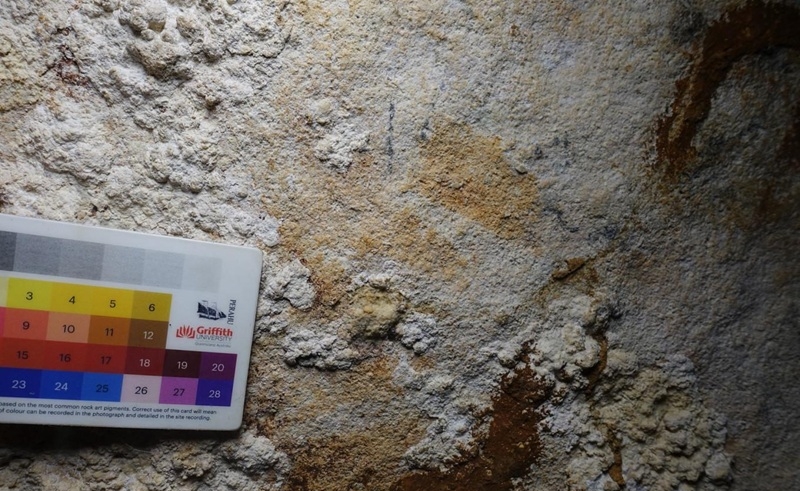
Indonesia’s ancient rock art sites, housing the world’s oldest known hand stencils dated to 67,800 years at Liang Metanduno cave on Muna Island, face severe environmental damage from climate change, tourism, and salt crystallization. A January 22, 2026 Nature study via uranium-thorium dating confirmed the Sulawesi artwork’s unprecedented age, while Culture Minister Fadli Zon announced national protection status amid accelerating decay. Geological salts that expand behind pigments with increasing temperature cause cracks in 40,000 + year-old panels in Maros-Pongkek karst caves to crack at an unprecedented rate. Archeologists call epistemic restrictions, emission cuts, and checks to prevent a permanent loss of UNESCO-tentative Ice Age artworks, hand stencils, hunting scenes, and therianthropes, as the threat of monsoons, and tourist traffic increases.
Liang Metanduno Cave Threats
Away red ochre Salt crystals swell 3x in heat behind Ice Age handprints; remote site of Muna site postpones action.
Government Preservation Initiatives
Fadli Zon upgrades provincial heritage status for funding; research informs cave microclimate controls and tourism caps.
Climate Impact Research Findings
The teams of Australia and Indonesia report about the monsoon-driven salt intrusions that cover 51,200-year-old pig paintings and erode at approximately the same pace.
Disclaimer: Stay updated with the latest news in indonesia from politics to business trends, while also catching up on the latest news in sports covering matches, scores, and tournaments. Explore the latest news in entertainment with celebrity updates, movies, and shows, and don’t miss the latest news in games, featuring trending releases and esports highlights.