









Chinese, Japanese, and Korean cuisines often get grouped together, but anyone who has tasted them closely knows they speak very different culinary languages. While they share staples like rice, soy-based ingredients, and chopsticks, the flavour philosophy, cooking techniques, and meal structure set them distinctly apart.
Below is a clear, side-by-side breakdown to understand how these three iconic Asian cuisines differ.
Core Flavour Profiles: Bold, Subtle, and Fiery
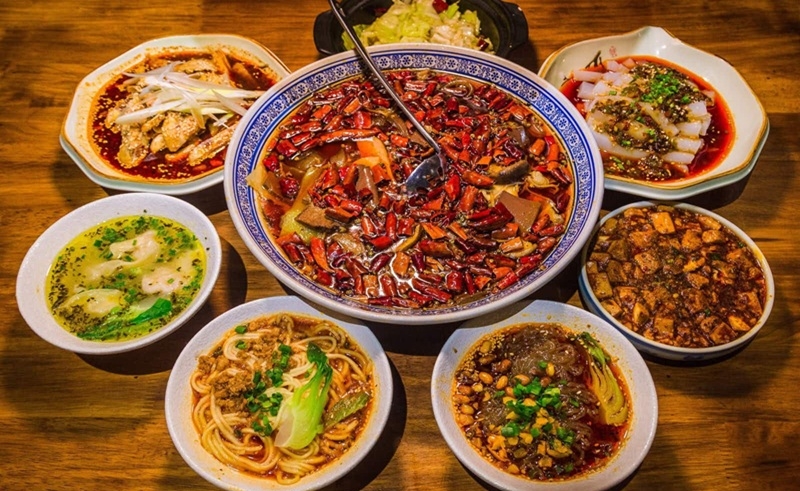
Chinese cuisine is known for bold and layered flavours. It balances sweet, sour, salty, bitter, and spicy notes using ingredients like ginger, garlic, dried chillies, Sichuan peppercorns, and five-spice powder. Many dishes aim for depth and intensity.
Japanese food takes the opposite approach. It prioritises umami and restraint, allowing natural flavours to shine. Seasonings are minimal, relying on dashi broth, miso, soy sauce, and wasabi for gentle enhancement rather than dominance.
Korean cuisine stands out for its heat and fermentation. Garlic-heavy dishes combined with gochujang (chilli paste), doenjang (soybean paste), and fermented seafood create spicy, tangy, and deeply savoury flavours.
Cooking Techniques: Heat, Precision, and Fermentation
Chinese cooking heavily uses stir-frying and wok cooking, applying high heat for fast, even cooking. Deep-frying, braising, and steaming are also common.
Japanese techniques focus on precision and freshness. Raw preparations like sashimi, along with steaming, grilling, and simmering, are used to preserve texture and taste.
Korean cuisine relies on grilling, stewing, and fermentation. Korean barbecue is globally popular, while slow-fermented foods form the backbone of everyday meals.
Key Ingredients Compared
| Aspect | Chinese Cuisine | Japanese Cuisine | Korean Cuisine |
| Proteins | Pork, beef, poultry, and some exotic meats | Fish, seafood, tofu | Beef, pork, fermented seafood |
| Staples | Rice, noodles, soy & oyster sauces | Rice, seaweed, tofu, dashi | Rice, kimchi, chilli paste |
| Condiments | Hoisin, doubanjiang, black bean sauce | Shoyu (soy sauce), rice vinegar | Gochujang, doenjang |
Presentation and Meal Style
Chinese meals are typically family-style, with large shared dishes placed at the centre of the table.
Japanese meals emphasise aesthetic presentation, often served in small portions with careful plating, as seen in sushi sets or kaiseki meals.
Korean dining is communal and abundant, featuring shared rice, soup, and a wide spread of banchan (side dishes).
Final Takeaway
Though rooted in shared ingredients, Chinese, Japanese, and Korean cuisines reflect very different cultural values — from bold expression and balance to simplicity and fermentation. Understanding these differences deepens appreciation beyond taste, revealing how food mirrors history, climate, and tradition.