









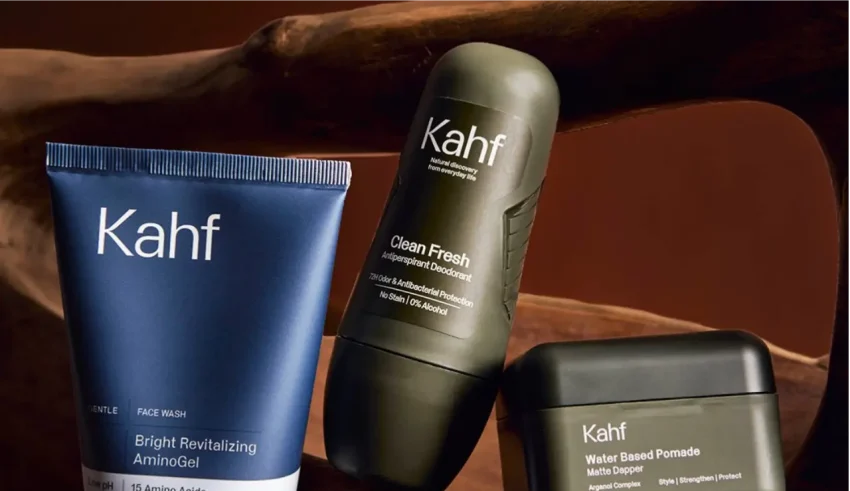
A football win should have been a moment of celebration. Instead, an online joke created a public relations problem for Kahf, an Indonesian men’s grooming brand. The Kahf boycott controversy shows how a post meant to entertain one audience can offend another, especially when a company sells across borders.
How a football meme triggered backlash
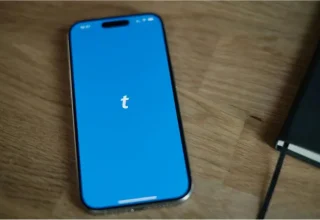
On 5 October 2026, Indonesia defeated Thailand on penalties to win the first-ever FIFA ASEAN Cup in Jakarta. The win was followed by a meme on Threads by Kahf carrying the message “hati-hati beda level” (translation: “be careful, different levels”). It defied Malaysia, Singapore, and Thailand’s flags by raising the Indonesian flag.
The post was viewed by many Malaysian users as an insult to their neighbouring countries. It was a criticism that was posted on Threads, Facebook, and TikTok. Some consumers posted videos of them throwing Kahf stuff into bins and encouraged others to refrain from purchasing them.
ParagonCorp, Kahf’s parent company, wasn’t spared either, with calls to boycott its sister brand Wardah. The call for a boycott of Indonesian goods received less support.
On 7 October, Kahf deleted the post and apologised. “The meme is unacceptably unacceptable and not reflective of its values of respect,” it said. Boycott calls went unabated as the brand took responsibility.
What brands can learn
Understand every market. A brand’s presence in another country requires it to take into account the history, identity, and public mood of the area. While strong relationships can exist in close quarters, Internet contacts can turn intense. A few words of national pride can make a short joke personal.
Don’t confuse insults and humour. Businesses employ slang in the online world to make them seem friendly. However, Benjamin Loh, a lecturer at Monash University Malaysia in the field of media and communications, cautioned that “insult-based banter will always end up insulting potential customers”. A joke that splits people can hurt trust.
Review content prior to posting. A message should be revisited in each market area where a brand is present to check for its impact on the market. Local teams can identify words or images that might have a different meaning in other contexts.
Make an apology the first step. Deleting a post and apologizing is good but brands need to demonstrate respect by their subsequent actions. Rebuilding trust would not be achievable with a single word, Kahf admitted.
Respect consumers’ power. Social media allows individuals to organise boycotts and to share their decision. But economist Yeah Kim Leng of Sunway University has stated that online boycott protests typically lead to pressure, but not damage in the long term. When anger subsides, the value of a product might influence purchasing decisions.
But Kahf’s error proves that a brand can have a sporting victory and not make neighbouring countries the punchline. In a connected region, respect isn’t just ‘the buzzword.’ It’s an integral part of the brand promise.
Recommended Reads
How Is Eriksen Managing Life With a Pacemaker?
How Is Cambodian Club Football Rising?
Explore the rise of Cambodian club football through Phnom Penh Crown’s journey to the AFC final.
Can John Herdman Transform Indonesia’s Football Team?
Where Can You Find Great Football Analysis?
What Are Football’s Most Expensive Transfers Ever?