
Flying is safe, but not all airports are easy to land on. Around the world, there are airports so tricky that even the most experienced pilots need full focus and precision. From narrow runways on mountain cliffs to airstrips by the ocean waves, these airports test every bit of a pilot’s skill.
For travelers across ASEAN countries who love aviation, adventure, or unique travel stories, here’s a list of the 10 most dangerous airports in the world where every landing feels like a thrilling challenge.
1. Lukla Airport (Tenzing-Hillary Airport), Nepal
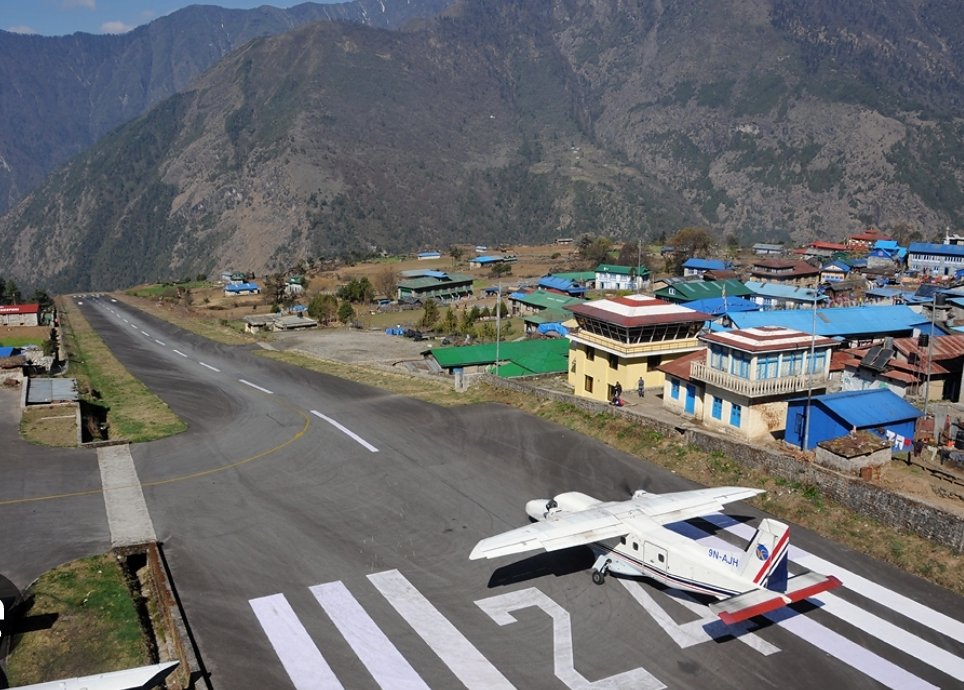
- Location: Lukla, Nepal
- Why it’s dangerous: Known as the gateway to Mount Everest, Lukla has a tiny 527-meter runway with a mountain wall on one side and a steep drop on the other. Bad weather and thin air at high altitude (2,845 meters) make this airport extremely risky.
2. Paro Airport, Bhutan
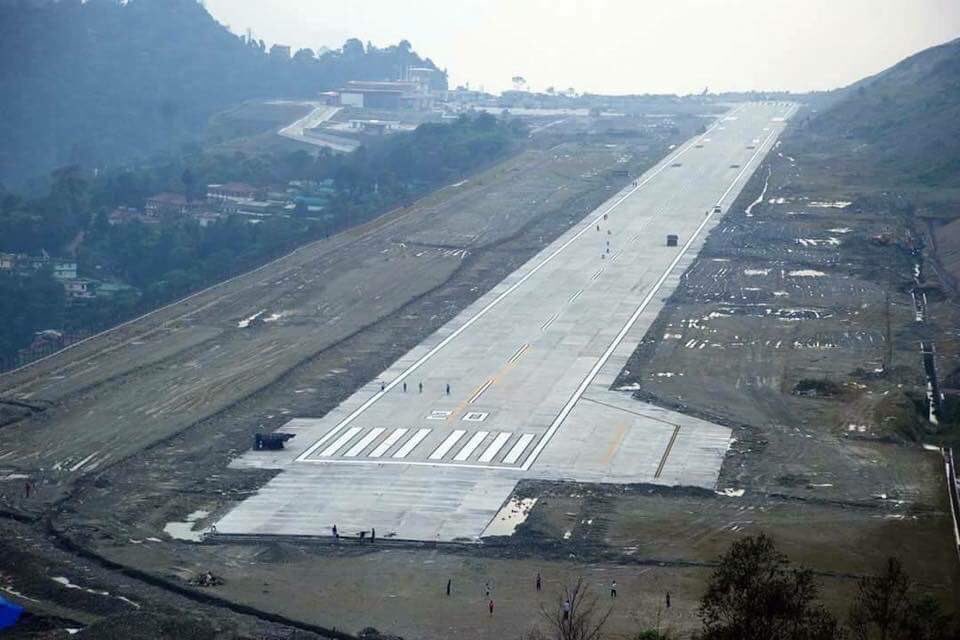
- Location: Paro, Bhutan
- Why it’s dangerous: Only a few certified pilots in the world are allowed to land at Paro Airport. Nestled between towering Himalayan peaks (5,500m high), planes must navigate sharp turns and a steep descent into a narrow valley.
3. Princess Juliana International Airport, St. Maarten
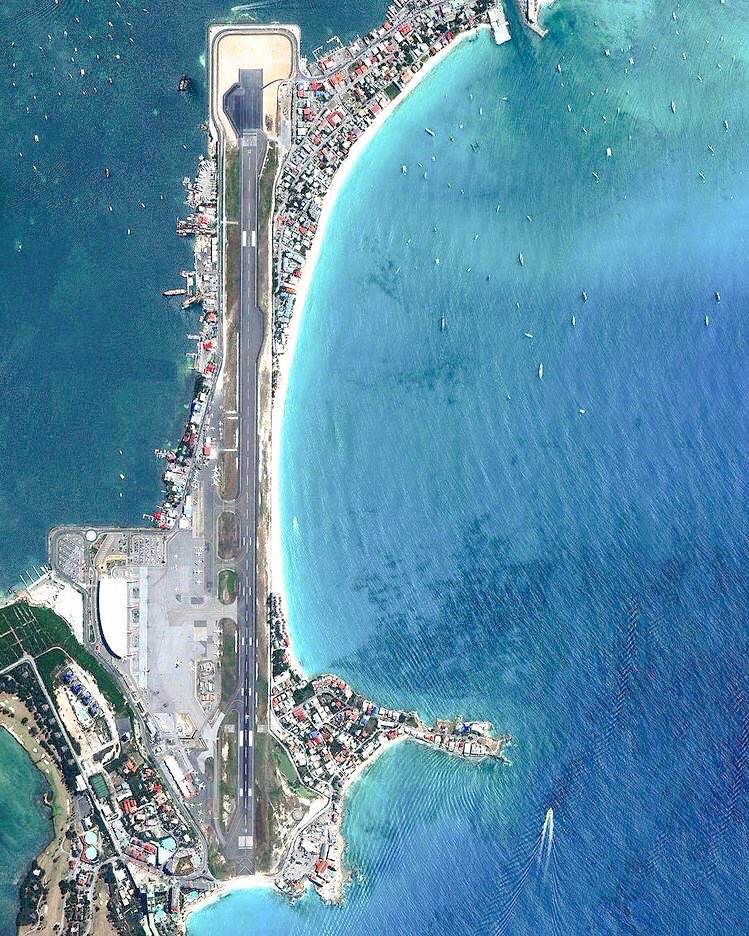
- Location: Caribbean Island of Saint Martin
- Why it’s dangerous: Famous for beachside landings over Maho Beach, planes fly just 20-30 meters above beachgoers. The short runway, low-altitude approach, and strong sea winds make every landing a challenge.
4. Courchevel Altiport, France
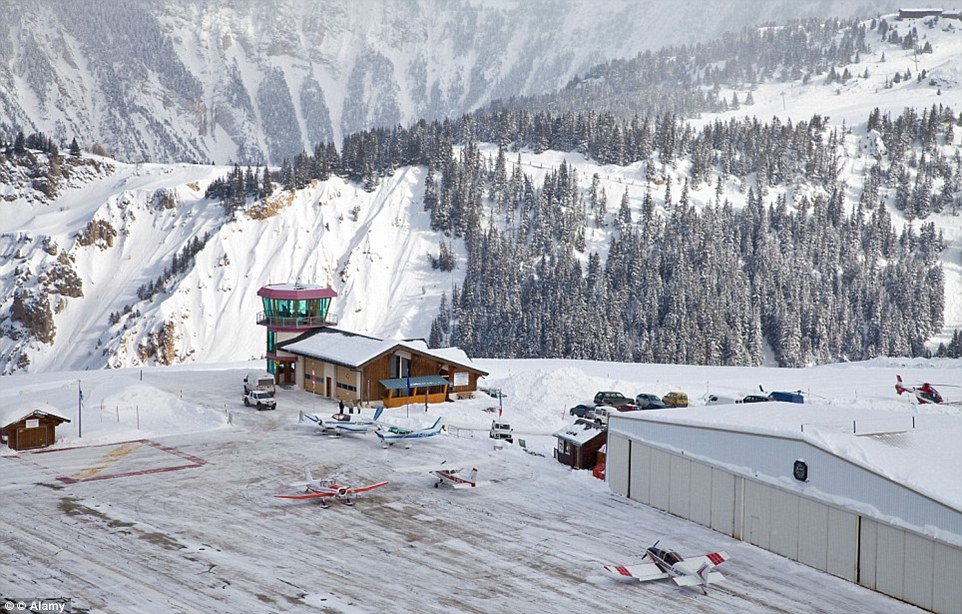
- Location: French Alps
- Why it’s dangerous: Courchevel is a ski resort airport with a 525-meter runway on a steep slope. There’s no go-around option, meaning pilots must land correctly the first time. Snowy weather adds to the complexity.
5. Toncontín International Airport, Honduras
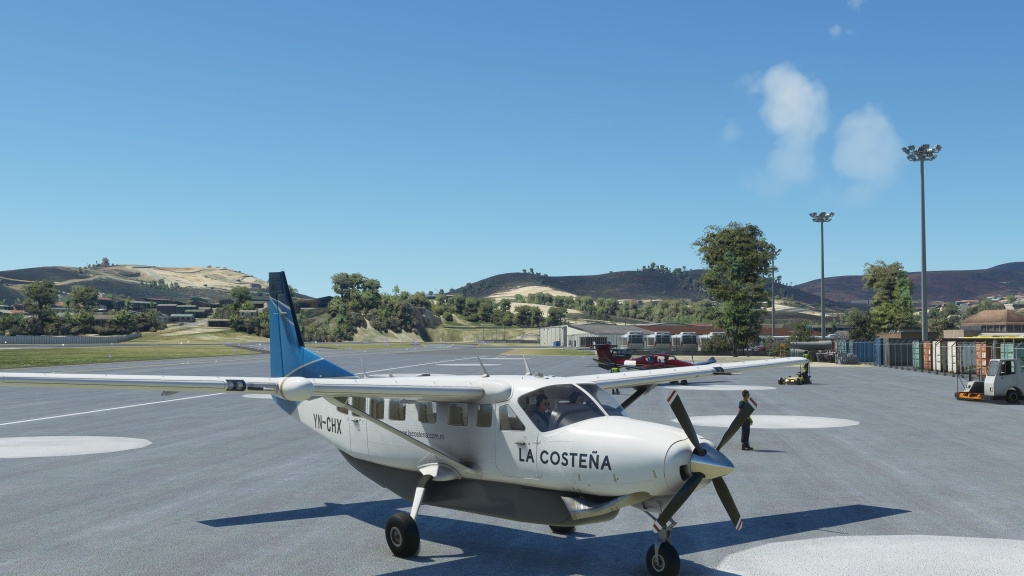
- Location: Tegucigalpa, Honduras
- Why it’s dangerous: Surrounded by mountains, Toncontín requires pilots to make a sharp 45-degree turn just before landing. The short runway and gusty winds add extra layers of difficulty.
6. Madeira Airport (Cristiano Ronaldo Airport), Portugal
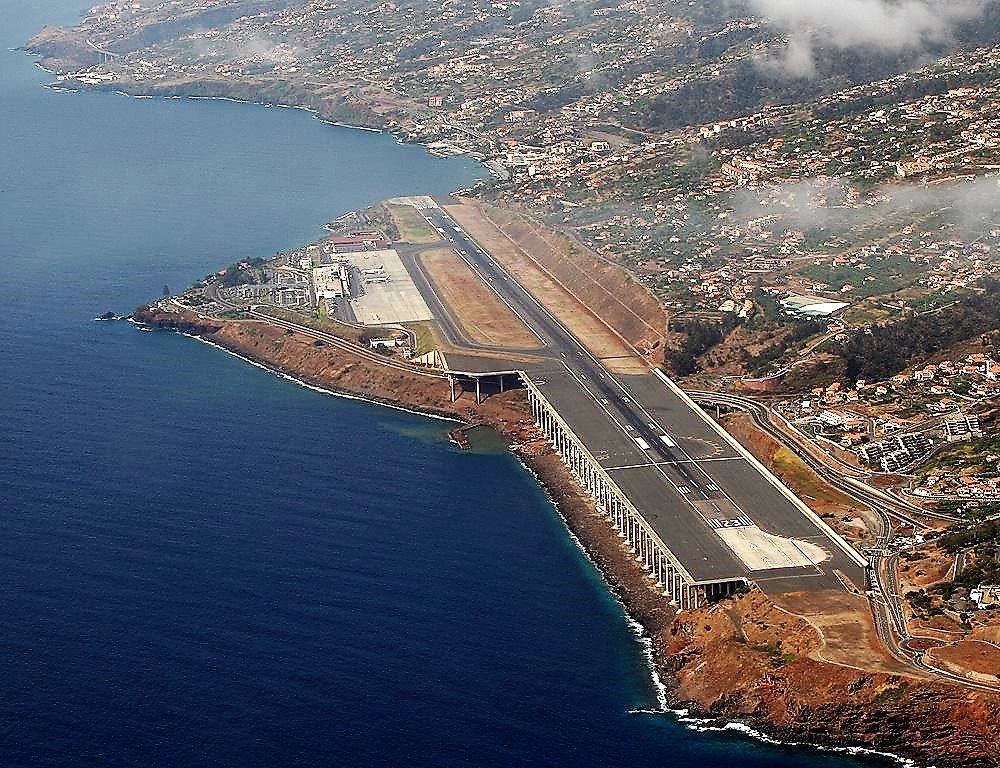
- Location: Madeira Island, Portugal
- Why it’s dangerous: Built on the edge of the Atlantic Ocean with part of the runway on pillars, Madeira Airport often deals with turbulent winds and complex mountain approaches.
7. Gustaf III Airport, St. Barts
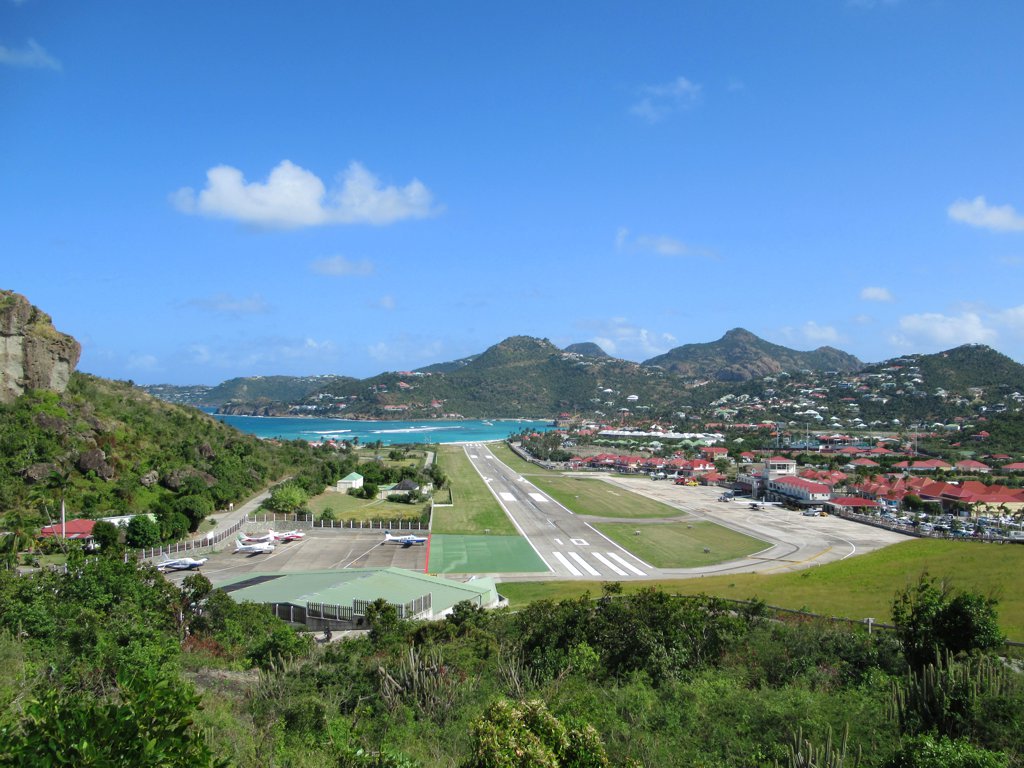
- Location: Saint Barthélemy, Caribbean
- Why it’s dangerous: Aircraft must descend steeply over a hill and land on a short runway ending at the beach. Precision flying is crucial to avoid overshooting into the sea.
Read Also: Top 12 Disastrous Boeing Crashes between 2000 and 2025 in Asia
8. Juancho E. Yrausquin Airport, Saba Island (Netherlands Antilles)
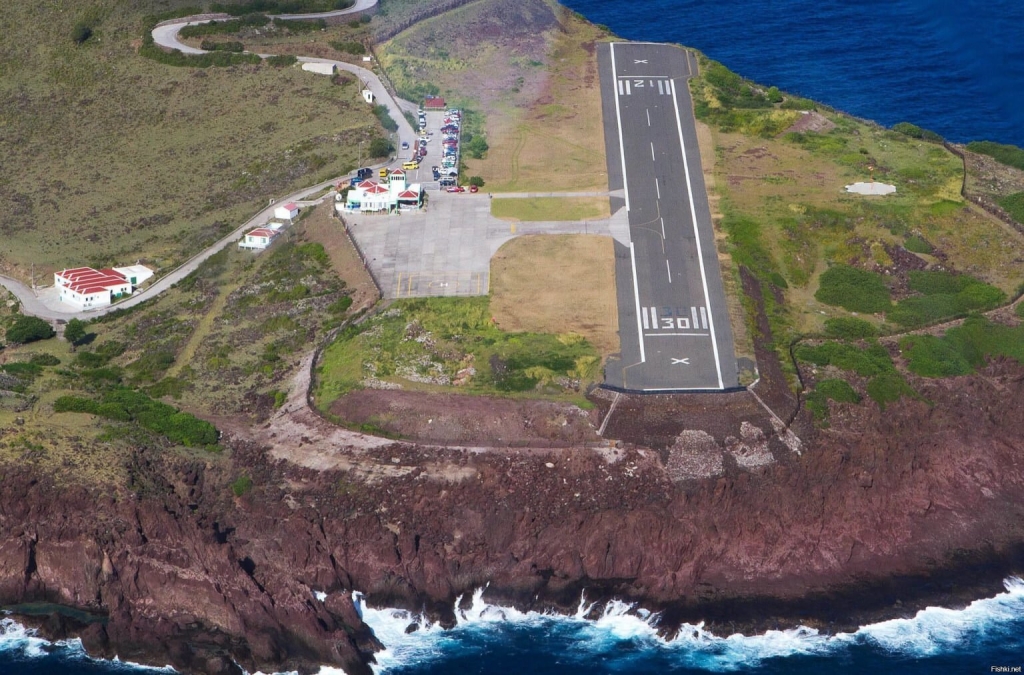
- Location: Saba Island, Caribbean
- Why it’s dangerous: This is the shortest commercial runway in the world (400 meters). Cliffs on three sides and the ocean on the fourth leave pilots no room for error.
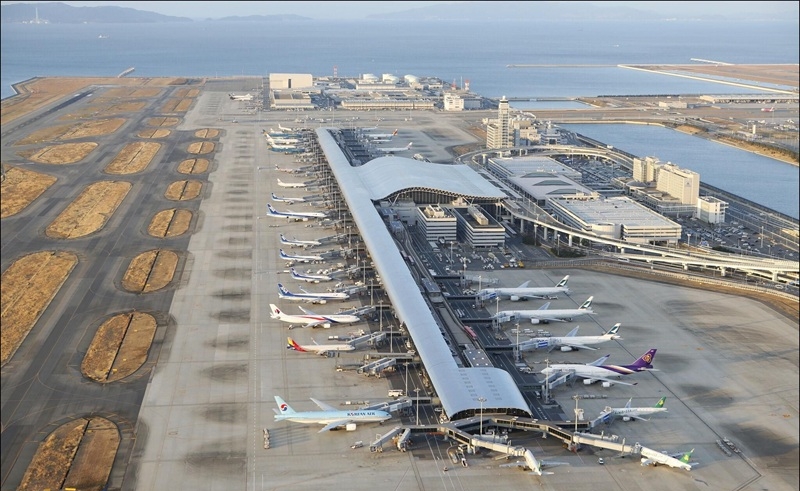
9. Kansai International Airport, Japan
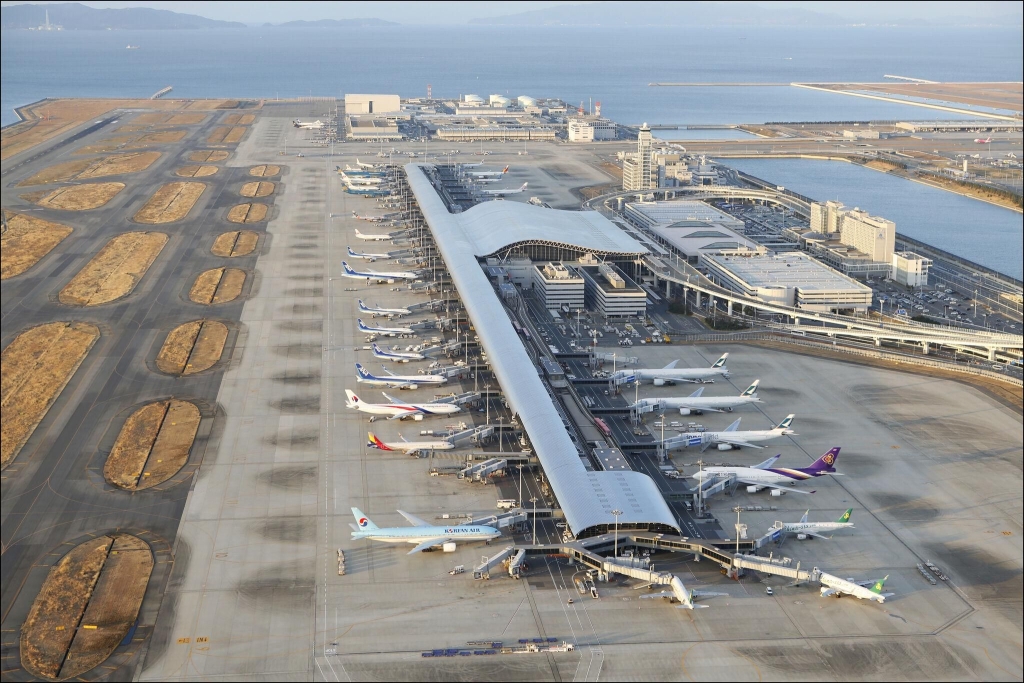
- Location: Osaka Bay, Japan
- Why it’s dangerous: Built on an artificial island, Kansai Airport constantly battles earthquakes, typhoons, and rising sea levels. The isolated location makes emergency landings a big challenge.
10. Tribhuvan International Airport, Nepal
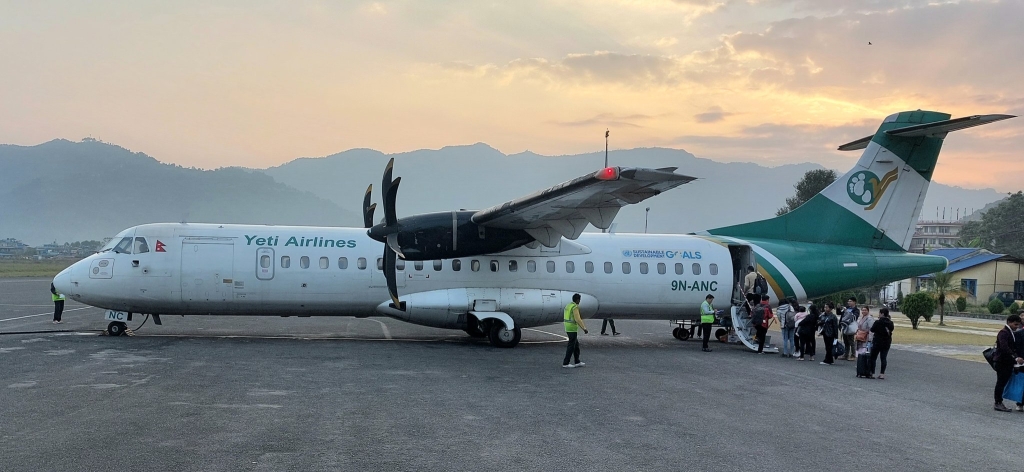
- Location: Kathmandu, Nepal
- Why it’s dangerous: Surrounded by mountains and known for dense fog and unpredictable weather, Tribhuvan requires precise landings. Narrow air paths and urban surroundings make it even harder.
Why Does It Matter to ASEAN Travelers?
For many ASEAN travelers, whether from Singapore, Malaysia, Indonesia, the Philippines, Thailand, or Vietnam, air travel is a common part of work, leisure, and adventure. These dangerous airports are a testament to pilot skill and nature’s power. They also offer a thrilling experience for aviation enthusiasts who want to learn about extreme airstrips around the world.