
A family in Connecticut pulled up to their usual Bertucci’s in August, only to find paper taped across the glass doors. “Closed. Thank you for your years of support.” No farewell dinner, no last pizza out of the oven. Just silence where the smell of roasted garlic once greeted them.
Scenes like this are repeating across the country. 2025 has already become the year of Italian restaurant chain bankruptcy in the US. Bravo Brio, Bertucci’s, and Pinstripes all filed for protection as costs climbed and customers drifted away. Chains that once packed dining rooms with endless bread baskets are now fighting to survive.
Who’s Going Bankrupt — The Key Players?
The wave of filings didn’t appear out of nowhere. These companies were limping along for years. 2025 simply tipped them over.
Bravo Brio Restaurants (Bravo! Italian Kitchen & Brio Italian Grille)
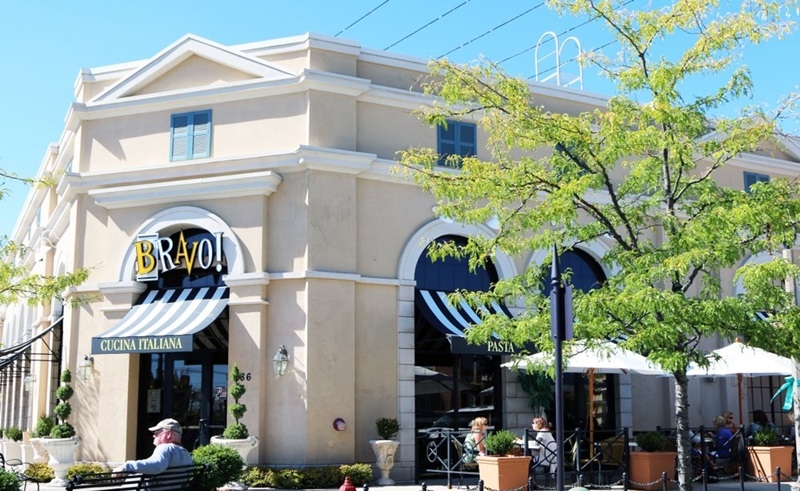
The Bravo Brio bankruptcy hit in August. The company runs Bravo! Italian Kitchen and Brio Italian Grille, with more than fifty locations nationwide. Once reliable stops near malls and plazas, many of those sites are struggling. Managers talk about dining rooms that used to buzz with weekend crowds now half-empty by 7 p.m.
Inflation made every plate costlier. Pasta, cheese, meats, and wine all rose in price. On top of that, higher interest rates piled pressure on loans. Suppliers waited on payments. For staff, the worry was constant, would their location still be open next month?
Bertucci’s
Bertucci’s closure in 2025 hit New England hardest. The chain filed for Chapter 11 in April, and by August, the last restaurant in Connecticut closed. Only thirteen remain, most in Massachusetts.
For locals, the loss feels personal. Kids once watched dough tossed in open kitchens, the smell of charred crust filling the air. But customers shifted to faster options, and the chain couldn’t keep pace. Competing with $10 delivery pizzas and app-based deals proved too much.
Pinstripes
Pinstripe’s bankruptcy news landed in June. The chain mixed Italian-American food with bowling and bocce. It sounded fresh when it launched, a place where groups could eat and play in the same evening. But the numbers told another story: losses of millions and sales slipping.
Some weekends still pulled crowds, but weekdays turned quiet. Large venues with lanes and kitchens cost too much to run on two good nights a week. The pasta wasn’t enough to carry the business, and the games didn’t cover the debt.
Other Notable Mentions
The big names grab headlines, but smaller Italian groups are also scrambling. Some file for restructuring to stay alive. Others simply vanish.
- Fiorella in San Francisco entered Chapter 11 to reorganize.
- Buca di Beppo filed last year, changed owners, and is still trying to steady itself.
- Family-owned trattorias in Chicago, Philadelphia, and elsewhere have quietly gone dark, unable to balance rent with payroll.
Common Causes Behind the Bankruptcies
The pattern across these bankruptcies shows similar cracks. These restaurants built their success on heavy foot traffic, predictable menus, and mid-range prices. But the ground shifted under them.
Rising Costs
Inflation hit hard. Flour, cheese, tomatoes, and meat all became more expensive. Imported goods added another layer of cost. Chains with debt found themselves unable to refinance. The Bravo Brio bankruptcy filings listed debts in the tens of millions, a load impossible to ignore.
Shrinking Foot Traffic
For years, these restaurants thrived in malls and shopping centers. People shopped, then grabbed dinner. That steady cycle collapsed. Empty malls now mean empty dining rooms. Saturday crowds became a trickle.
New Dining Habits
Customers today look for flexibility. Quick service, customizable meals, healthier options. Traditional chains leaned on heavy sauces and long sit-downs. Delivery apps also reshaped habits. Families who once gathered around booths now order pasta bowls from their couch.
Labor Strains
Restaurants everywhere struggle with staffing. Higher wages are needed just to keep servers and cooks. Combined with supply costs, managers juggle bills each week just to stay afloat.
Recommendations for Consumers & Industry Observers
Consumers watching Italian restaurant chain bankruptcy news unfold should expect sudden changes. A favorite spot may close without warning. It’s wise to check online hours or call ahead. Supporting the locations still open might give them a better chance of surviving.
For industry observers, these closures point to one thing: adapt or fade. Menus must shrink, service must quicken, and locations need to be smarter. The Italian dining model that worked twenty years ago doesn’t carry the same weight today. Chains that cling to old habits risk following Bravo Brio and Bertucci’s into court.
Survival Lessons for Restaurant Chains in 2025
The Bravo Brio bankruptcy, Bertucci’s closure 2025, and Pinstripes bankruptcy each show how fragile casual dining has become. Some chains may return slimmer after restructuring. Others are gone for good. What remains are memories of birthday dinners, the sound of sizzling pizza pans, and the comfort of family meals in rooms now empty.
Italian dining in the US is at a turning point. The chains that cut costs wisely, lean into delivery, and rework menus may survive. Those that don’t will vanish, leaving only a trace of garlic bread in the air and photos of neon signs glowing above shuttered doors.