

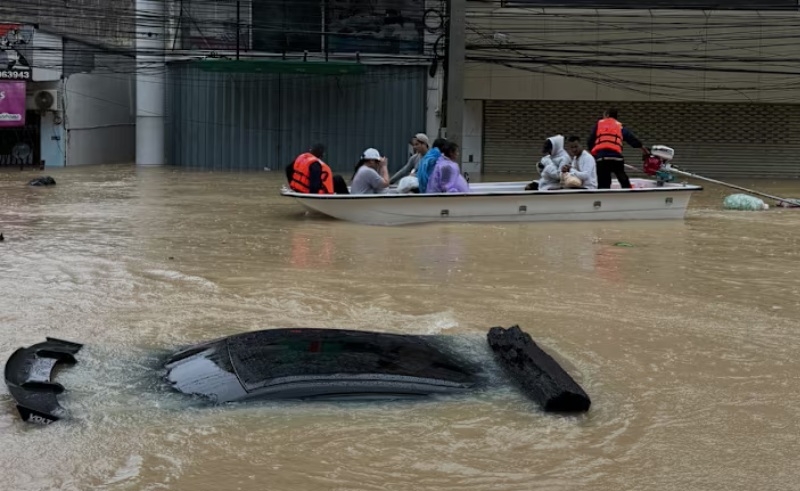
Southeast Asia is experiencing once again the tragic effects of climatic extremes, with incessant massive rains causing fatal floods in Thailand and Malaysia in the past weeks. Whole settlements have been forced to move, transport systems have been ruined and emergency services stretched to the limits. These extreme weather conditions underscore the increased susceptibility of the area to extreme flooding caused by global climatic change. With governments in action to offer relief, analysts say that these occurrences will continue to increase unless there are sturdier climate resilience programs. The current crisis highlights the necessity of infrastructure improvements, early warning mechanisms, and long term planning of the environment.
Record Rainfall Overwhelms Urban and Rural Regions
There has been one of the worst monsoon spells in Thailand and Malaysia, which has resulted in unending downpours flooding rivers, dams, and drainages. Other provinces like Narathiwat, Yala, Kelantan, and Terengganu have reported that there has been rapid increase of water levels in a matter of hours and the residents have limited time to respond. This increase in rainfall is attributed by the meteorologists to increased monsoon winds and warmer sea temperatures which are direct effects of climate extremes. The precipitation has interfered with power supply, destroyed houses, and displaced thousands of people to make-shift shelters as emergency rescue personnel scramble to the remote locations.
Humanitarian Crisis Escalates as Emergency Relief Expands
Military workers and local authorities have been sent out to assist trapped families, deliver food supplies, and move people out of high-risk areas. Schools are turned into evacuation centers, and there are medical teams who are dealing with outbreaks of waterborne diseases. The National Disaster Management Agency of Malaysia has already reported hundreds of landslides in the rural districts which makes the rescue work difficult. The main problem is that relief operations are seriously hampered as highways are washed away and bridges have been washed down. The flood has also impacted low-income neighborhoods especially as the wooden houses and poor infrastructure provide little shelter against extreme weather.
Economic Damage and Infrastructure Losses Mount
The two countries are now evaluating massive financial losses in the economy and the damage is projected to be in hundreds of millions of dollars. The most important agricultural areas have suffered particularly the rubber and palm-oil plantations, which constitute the rural economy. The delay in production has also been seen in industries with factories staying closed following safety reasons. The transportation disruptions have included transport at ports and the border check points, and they have impacted the flows of the trade region. Analysts caution that future high frequency extreme flooding may jeopardize long-term investment confidence in the entirety of Southeast Asia unless governments implement more resilient climate-neutral policies.
Urgent Call for Climate Adaptation and Resilience
According to the environmental experts, these floods act as a warning to the larger region. It is important to reinforce the drainage system, modernize the reserves, and enhance urban planning. It is also recommended that authorities improve the flood-forecasting technology, improve the mangrove-restoration efforts, and create the development of relocation plans to high-risk communities. The crisis can prove that extremes in climate are not far-off warnings anymore but life-altering realities that have become part of everyday life in Southeast Asia.
Disclaimer: Stay updated with the lastest news, from politics to business trends, while also catching up on the lastest news in sports covering matches, scores, and tournaments. Explore the latest news in entertainment with celebrity updates, movies, and shows, and don’t miss the latest news in games, featuring trending releases and esports highlights.