

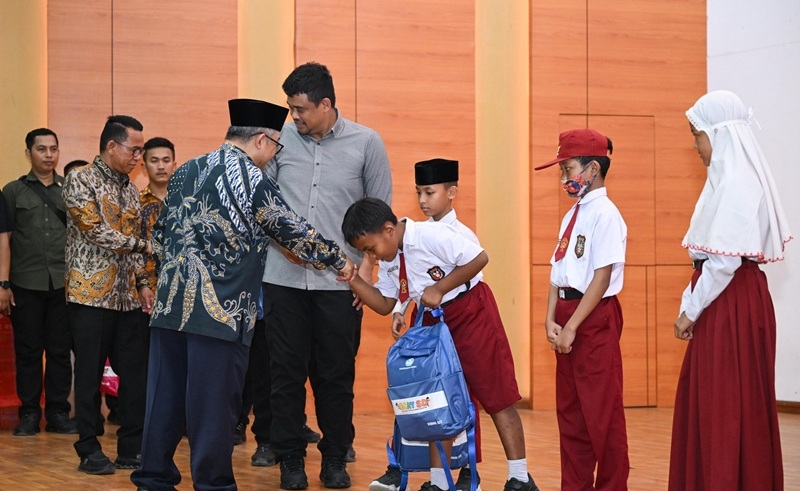
Indonesia has put education infrastructure back on the front page with Indonesia’s 2026 school revitalization plan, a national push to revitalize 71,000 schools in 2026. The aim is plain: safer classrooms, working toilets, reliable power, and spaces that do not fall apart mid term. Big numbers sound nice. The real test is site work, week after week.
Introduction to Indonesia’s 2026 School Revitalization Plan
The 2026 program is being presented as a nationwide repair and upgrade drive across public schools. Officials have pointed to ageing buildings, uneven upkeep, and gaps between city schools and far off districts. Many campuses still run with damaged roofs, cramped rooms, and sanitation that fails basic standards. It is not pretty, and it has dragged on too long.
Why Indonesia Is Prioritizing Major School Upgrades in 2026
Government messaging ties the push to learning outcomes and future jobs. The everyday pressure is simpler. Parents complain when classrooms leak during rain weeks. Teachers lose time dealing with safety issues instead of lessons.
Drivers cited in briefings include:
- Unsafe structures and disaster risk zones
- Facility gaps outside major cities
- Demand for technology ready rooms
Inside the Plan to Revitalize 71,000 Schools Nationwide
The target of 71,000 schools sets a high bar for coordination across ministries, provinces, and local governments. The approach is expected to rely on priority lists and staged funding, with districts submitting verified needs and schedules. Fast rollout is a goal, but quality control sits in the same sentence. That tension shows up in every large public build.
Key Infrastructure Improvements Under the Revitalization Program
Early descriptions focus on basics that keep schools open and safe:
- Classroom and roof repairs
- Water and sanitation upgrades
- Safer electrical systems
- Improved lighting and ventilation
The logic is blunt. Teaching cannot run well in unsafe rooms.
Digital Learning, Safety, and Accessibility Enhancements
The plan also talks about digital learning equipment and safer campus layouts. Devices and connectivity mean little without training and maintenance plans, so officials have signalled parallel support for usage and upkeep. Schools also need simple safety work such as clearer exits and safer wiring. Boring fixes, yet they matter.
| Upgrade area | Intended focus |
| Connectivity | Internet access in schools with weak networks |
| Devices | Classroom screens, basic computers, learning software |
| Access | Ramps and safer pathways for mobility needs |
Government Targets and Expected Outcomes Through 2029
Policy notes link the 2026 push to targets running to 2029. The stated outcomes include fewer schools in severe disrepair, higher minimum facility standards, and better conditions in lagging regions. Officials have also referenced public reporting tools and regular progress updates. Citizens will look for proof at district level, not national headlines. That is the hard part.
How the Revitalization Supports Indonesia’s Broader Education Reforms
The school repair drive is being placed alongside teacher development and curriculum updates. Teacher scholarships and training are expected to run in parallel so improved buildings also see stronger instruction. Better classrooms without better teaching will not move the needle much. Many planners know this, even if it sounds harsh.
Challenges That Could Affect Implementation and Scale
Scale brings friction. Island logistics raise costs and slow delivery. Contractor quality can vary, and weak supervision turns repairs into patchwork.
Key risk points often mentioned by administrators include:
- Limited skilled contractors in remote districts
- Weather delays during build seasons
- Procurement slowdowns and specification changes
- Oversight fatigue across thousands of sites
None of these surprises anyone. Managing them still takes discipline.
What This Transformation Means for Students and Indonesia’s Future
If execution holds, students in neglected areas could see safer classrooms and fewer learning days lost to closures. Parents may stop paying out of pocket for small fixes that schools cannot fund. Teachers can spend more time teaching instead of damage control. The longer term bet is a stronger workforce, but the first sign will be simple: schools that stay open and function.
A Historic Investment in the Nation’s Education System
Indonesia’s decision to revitalize 71,000 schools in 2026 sets a clear priority on education infrastructure. The scale is bold and it raises expectations across provinces. The next phase will be contracts, site checks, and honest reporting, not glossy ceremonies. If remote districts get the same attention as big city sites, the impact will show quickly in attendance and morale. If corners get cut, the public will notice fast. This program has little room to hide.
FAQs
How will Indonesia decide priority schools under the 2026 school revitalization plan when local needs are competing?
Priority is likely to go to schools with unsafe buildings, severe facility damage, high enrolment pressure, and districts with long pending repair backlogs.
What monitoring steps will prevent low quality construction and ensure repairs last beyond the first rainy season?
Stronger site inspections, clear material specs, third-party audits in key zones, and strict penalty clauses for poor work can keep repairs durable.
Will digital learning equipment include training support so teachers can use devices confidently in daily classroom routines?
It should include basic teacher training, simple user guides, and local tech support so equipment does not sit unused in locked rooms.
How will progress reporting work so citizens can track which districts finished upgrades and which are still pending?
Public dashboards, district-wise project lists, milestone updates, and periodic field verification reports can make progress visible and easier to question.
What maintenance funding plans will protect renovated facilities after handover, especially in remote island communities?
Budgeting for routine upkeep, small repair grants, local vendor tie-ups, and maintenance checks every term can help renovated schools stay functional.
Disclaimer: Stay updated with the latest news, from politics to business trends, while also catching up on the latest news in sports covering matches, scores, and tournaments. Explore the latest news in entertainment with celebrity updates, movies, and shows, and don’t miss the latest news in games, featuring trending releases and esports highlights.