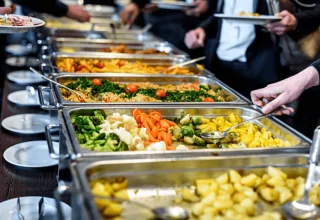


On a dining table, food from many different cultures may look the same, but that is not the case. After all, the global gender gap in food access is what still makes women eat last, least, and sometimes not at all. This imbalance is not only a social issue—it is a global development problem that affects health, productivity, and overall growth. Knowing why such a gap exists, and how it impacts millions of women is the only way to have a world with food security for all.
Why Food Has a Gender Gap
It is often said that hunger affects everyone equally, but that is not true. In some areas, the tradition is that men and children are served first; thus, women only get the leftovers. It is not only a matter of low-income households; this phenomenon can be seen in rural families, communities affected by climate change, and even urban settlements.
The problem of food distribution within households, gendered labour responsibilities, and income inequalities worsens the divide. Women, for instance, may be involved in more agricultural activities, animal husbandry, and household chores than men, yet they have the least access to nutritious food.
Cultural Norms That Keep Women Eating Last
Most societies still believe in the oldest traditions that depict men as the providers and women as the nurturers. Due to such a belief, the following situations appear:
- Women who make food and are the last ones to eat themselves
- Food is considered a resource that has to be given to men first
- Better nutrition given to boys than girls
- Pregnant and lactating women might eat less because of cultural modesty
The above-mentioned barriers remain even when food is at hand, implying that the issue is quite deep-seated.
Economic Inequality Makes Hunger Worse for Women
Among the causes of the global gender gap in food access, economic dependence is a major one. A woman with less income will hardly have the freedom to choose healthy food. Moreover, the control of household finances being limited means that a woman is more likely to give up her share for the children or the husband.
Besides all that, women are also limited in access to sectors such as land, agriculture, credit, and markets. In spite of the fact that women constitute the majority of the agricultural labour force, they get paid less and eat less.
Climate Change Disproportionately Affects Women
The issue becomes even more complex with climate change additions. As droughts, floods, and erratic weather patterns lower the yields of crops, they also cause the rise of food shortages. So, in such situations:
- Women eat last and least
- Girls are withdrawn from school to help with food collection
- Early marriages increase due to economic woes
- Women walk longer distances for food and water
This illustrates that the interaction between climate and gender leads to deeper food insecurities.
The Health Implications
A lifetime of undernutrition in women is the main cause of their poor health, and the problems that come with it:
- Iron deficiency, which results in low immunity and energy
- Motherhood problems, increasing the risk during pregnancy, need to be expected
- Growth retardation in children, and thus hunger continues to be inherited
- Increased susceptibility to illness
Those times when women eat less or later, not only concern them, but also the whole family’s future health.
Closing the Gender Gap: Solutions That Work
The international gender difference in access to food can be mitigated through focused efforts:
1. Women in Agriculture to be Empowered
Offering land ownership, decent salary, and money-spending facilities will enable women to be the economic leaders rather than silent followers.
2. Nutrition Initiatives Centred Women
Meal programs in schools for girls, nutrition interventions for mothers, and community kitchens are some of the ways through which the provision of women’s nourishment can be ensured.
3. Changing Social Norms Through Awareness
By providing information to people about equal food distribution, the deeply-rooted habits can be transformed.
4. Economic Equality and Decision-Making Rights
A woman who is in charge of money will use it on nutritious foods—catering not only for herself but for the entire family as well.
Fixing Hunger Begins with Feeding Women First
The global gender gap in food access is not only a number—it is the everyday life for millions of women who continue to be the last in line when it comes to eating. Without halfway addressing this issue, genuine food security cannot exist. By breaking down gender stereotypes, facilitating women’s economic empowerment, and making their nutrition the priority, we, therefore, are trodding on the road of healthier families, stronger communities, and a more equitable world.
Disclaimer: Stay updated with the lastest news, from politics to business trends, while also catching up on the lastest news in sports covering matches, scores, and tournaments. Explore the latest news in entertainment with celebrity updates, movies, and shows, and don’t miss the latest news in games, featuring trending releases and esports highlights.