

If you’ve been following the news, you know it’s the same old story in Vietnam’s biggest cities: thick air, hazy skies, and air quality warnings that keep popping up all winter. Hanoi and Ho Chi Minh City just can’t seem to catch a break, with PM2.5 levels spiking into the “unhealthy” range. Factories hum, traffic crawls, and as the cold settles in, a blanket of smog hangs over everything. Here’s what’s actually happening.
Hanoi: Winter Smog Makes a Comeback
Once the cold hits, Hanoi goes right back into smog season. Since mid-November, AQI numbers bounce between 150 and 180—sometimes worse than cities you’d expect to top the charts for pollution. The main culprit is PM2.5 dust—tiny particles that get deep into your lungs and cause real trouble.
Why does it get so bad in winter? Cold air traps the pollution close to the ground, so it just sits there. The roads? Packed with motorbikes, all spewing exhaust. Construction sites and factories churn out dust and smoke. And don’t forget the burning—farmers in nearby provinces set their fields alight, and the smoke rolls straight into the city.
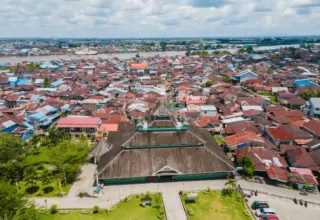
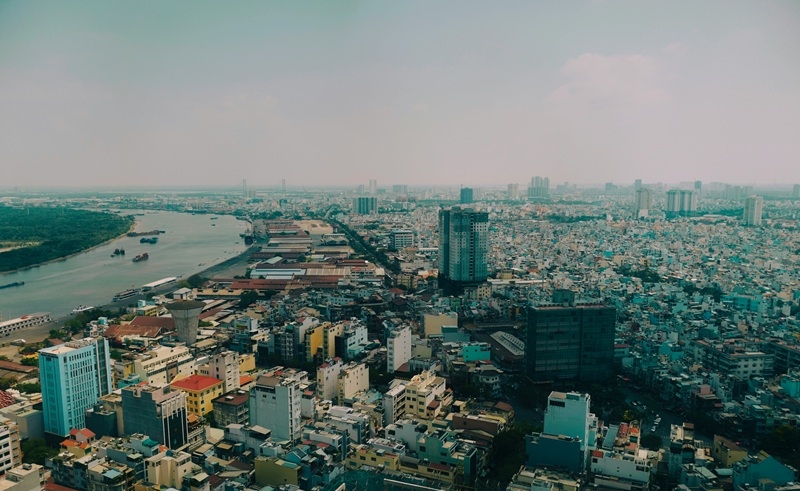
When pollution builds up, the city disappears under a grey haze. Popular neighbourhoods like Ba Dinh, Hoan Kiem, and Dong Da look ghostly. Health officials warn kids, older people, and anyone with breathing problems to just stay inside on the worst days.
What’s the Government Doing in Hanoi?
City leaders have rolled out some big plans:
- Starting July 2026, no more fossil-fuel motorcycles in downtown districts.
- Tighter emission rules for all vehicles are on the way.
- A five-year plan to track and cut down emissions, with specific targets.
But here’s the catch—these changes take time. People in Hanoi will keep dealing with the smog for a while yet.
Ho Chi Minh City: Smog Creeps Higher as the City Grows
Saigon’s got its own problems. The city’s AQI isn’t quite as bad as Hanoi’s, but it’s often “unhealthy for sensitive groups.” During rush hour, AQI can easily top 130.
So, what’s driving the pollution?
- Traffic, first and foremost. Millions of motorbikes jam the roads.
- Factories in the suburbs pump out emissions.
- Construction dust, especially from big projects, makes everything worse.
- Sometimes the weather just refuses to help—no wind means pollution hangs around.
City officials just sent out a new directive, bracing for things to get worse between October and March, when fine dust peaks.
The National Push: Five Years to Clean Up
The central government is stepping in, telling both cities to get air quality under control within five years. The plan includes:
- Setting up low-emission zones
- Expanding buses and trains
- Pushing for more electric vehicles
- Stricter factory inspections
- Planting more trees, raising green space
But experts warn that unless these rules are actually enforced, pollution will keep haunting Vietnam’s cities.
How to Stay Safe
Until the air clears, doctors have some straightforward advice:
- Wear an N95 or PM2.5 mask if you’re outside.
- Avoid outdoor exercise on smoggy days.
- Keep your windows shut and run an air purifier if you can.
- Drink lots of water; pay attention if you’ve got asthma or heart issues.
- Check air-quality apps before you head out.
Clean Air Still Feels Far Off
Hanoi and Ho Chi Minh City are in the thick of another rough smog season. Big promises have been made, but real change takes time. For now, the best thing you can do is keep an eye on the air, take the warnings seriously, and protect yourself as much as possible. The fight for clean air in Vietnam’s biggest cities is far from over.
Disclaimer: Stay updated with the lastest news, from politics to business trends, while also catching up on the lastest news in sports covering matches, scores, and tournaments. Explore the latest news in entertainment with celebrity updates, movies, and shows, and don’t miss the latest news in games, featuring trending releases and esports highlights.