

A currency’s value fluctuates based on multiple factors: economic stability, inflation, interest rates, political uncertainty, and global market confidence. When these factors deteriorate, especially in extreme cases, they can cause devastating currency collapses.
Below are 7 of the most catastrophic currency devaluations in history, detailing the circumstances, triggers, and consequences of each economic freefall.
1. Germany – Papiermark Collapse (1921–1923)
Germany’s hyperinflation post-WWI was so severe that by 1923, people carried wheelbarrows of notes to buy bread. The Papiermark became practically worthless within two years.
- Year of Collapse: 1923
- Value Went From: 4.2 marks/USD
- To: 4.2 trillion marks/USD
Reason for Collapse:
- Reparation payments post-WWI
- Printing excess money
- Loss of industrial territory (Ruhr Valley)
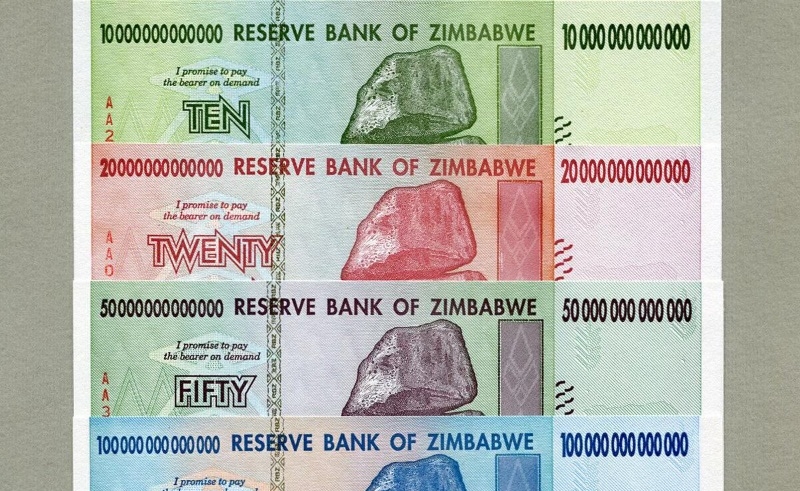
2. Zimbabwe – Dollar Hyperinflation (2007–2009)
Zimbabwe experienced one of the worst cases of hyperinflation in modern times. At its peak, prices were doubling every day, and a $100 trillion note was issued.
- Year of Collapse: 2008
- Value Went From: Z$1/USD
- To: Z$300 trillion/USD (black market rate)
Reason for Collapse:
• Land reform failures
• Collapse in agriculture and exports
• Excessive money printing by the central bank
3. Hungary – Pengő Hyperinflation (1945–1946)
Post-WWII Hungary suffered the worst inflation rate ever recorded. The Pengő lost value so fast that a new currency was introduced within months: the forint.
- Year of Collapse: 1946
- Value Went From: 1 pengő/USD
- To: 460 quadrillion pengő/USD
Reason for Collapse:
• Post-war destruction
• Soviet reparations
• Rampant money printing
4. Argentina – Peso Crash (2001–2002)
After a decade of pegging its peso to the U.S. dollar, Argentina’s economy collapsed. The peg broke, leading to social unrest, massive devaluation, and economic chaos.
- Year of Collapse: 2002
- Value Went From: 1 peso/USD (pegged)
- To: 4 pesos/USD within months
Reason for Collapse:
• Unsustainable dollar peg
• Huge public debt
• Capital flight and IMF pressure
5. Yugoslavia – Dinar Devaluation (1992–1994)
In the early ’90s, war-torn Yugoslavia printed vast amounts of money to fund conflict. At one point, inflation was over 300 million percent per month.
- Year of Collapse: 1994
- Value Went From: 1 dinar/USD
- To: 13 quadrillion dinars/USD
Reason for Collapse:
• Economic sanctions
• War financing
• Hyperinflationary policies
Read Also: Japan Promises Closer Talks with US Over Currency Volatility Concerns
6. Venezuela – Bolívar Crisis (2014–2019)
Venezuela’s bolívar collapse saw citizens turning to U.S. dollars and even bartering goods as inflation spiraled out of control. The government introduced new currencies—none survived long.
- Year of Collapse: 2018 (peak)
- Value Went From: 6.3 bolívares/USD (official in 2013)
- To: ~248,000 bolívares/USD in 2018
Reason for Collapse:
• Oil dependency collapse
• Currency controls
• Excessive subsidies and monetary expansion
7. Russia – Ruble Crisis (1998)
Russia’s ruble collapsed after years of weak reforms, a mounting debt crisis, and the Asian financial meltdown. Inflation surged and the country defaulted on its domestic debt.
- Year of Collapse: 1998
- Value Went From: 6 rubles/USD
- To: 21 rubles/USD in a few weeks
Reason for Collapse:
• Decline in oil prices
• Capital flight
• Poor fiscal discipline and debt default
These examples underline how sensitive currency values are to internal and external pressures. Countries that avoid collapse tend to do so by maintaining transparent monetary policy, fiscal discipline, and trust in institutions, lessons still relevant today.