

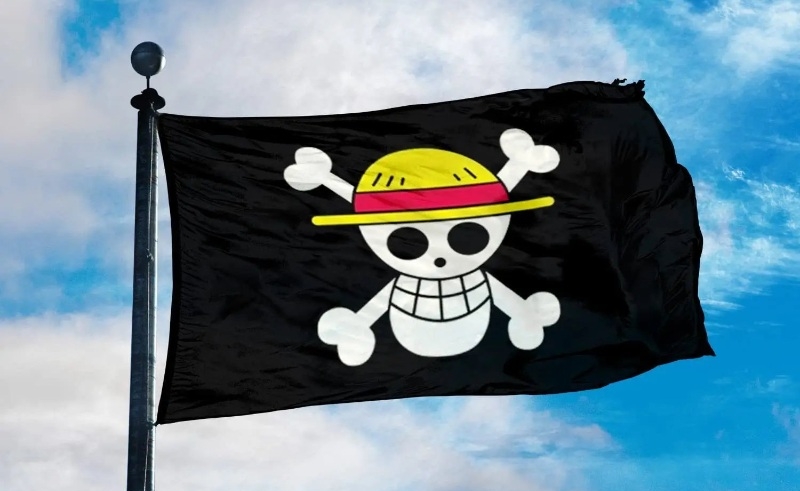
In an unexpected wave of civil dissent, Indonesians have embraced the One Piece Jolly Roger flag, normally a symbol of fictional piracy,as a real-world banner of protest. Raised in place of the red-and-white national flag, it reflects a deep frustration with what many see as declining democratic values and hollow nationalism.
The Political Climate Behind the Resistance
President Prabowo Subianto’s rise has triggered concerns over increasing centralization and military influence. Budget cuts, legislative changes, and perceived elitism have alienated many citizens. The president’s Independence Day appeal to raise the national flag was met instead with cynicism, sparking a cultural protest through anime symbolism among youth and grassroots communities.
Why the One Piece Flag?
One Piece portrays rebellion against corrupt rule and loyalty among outcasts,ideas resonating with many Indonesians today. The flag’s viral appeal on social media makes it a culturally unifying, non-violent protest. It challenges the status quo subtly, offering symbolic resistance without overt political messaging, making it harder to suppress outright.
Government Reactions and Legal Ambiguity
Government responses range from cautious tolerance to outright condemnation. While some ministers view the Jolly Roger as a harmless expression, others label it divisive or even treasonous. Though fictional flags aren’t banned, laws require the national flag to be placed higher,raising the Jolly Roger incorrectly can result in confiscation or official warnings.
Certainly! Here’s an expanded section specifically focusing on how the Indonesian government is resisting the use of the One Piece Jolly Roger flag, along with clear bullet points outlining the official conditions and concerns surrounding its display:
While the Jolly Roger trend has gained momentum among citizens, the Indonesian government has responded with increasing concern. Authorities view the widespread use of the anime flag during the country’s Independence Month (August) as a challenge to national unity and symbolism. Reactions range from repressive measures to calls for legal compliance and symbolic discipline.
Read Also: Top 10 Most Beloved Anime Characters
Key Government Responses:
- Labelled as divisive and provocative
Deputy House Speaker Sufmi Dasco Ahmad called the flag movement a “coordinated attempt to divide the nation.”
Some lawmakers have even suggested that flying the flag could amount to treason. - Police monitoring and confiscation
Local police forces in Central Jakarta and Banten are actively monitoring public spaces for non-national flags.
In some areas, Jolly Roger flags have been seized from homes, murals, and vehicles. - Warning from Coordinating Minister for Politics and Security
Budi Gunawan invoked Law No. 24/2009, stating that the national red-and-white flag must always fly higher than any other flag. Violations can result in criminal consequences. - Legal gray area
While no law explicitly bans fictional or anime flags, raising them next to the national flag at equal or greater height can be interpreted as disrespecting national symbols. - Strict flag protocols during national celebrations
Officials reminded the public that only the red-and-white flag should be used during the 80th Independence Day celebrations.
The government emphasized that national pride should not be diluted with fictional or protest symbols. - Human rights criticism
Komnas HAM (Indonesia’s National Human Rights Commission) criticized the repressive approach, calling the flag a peaceful form of creative expression protected under the constitution.