

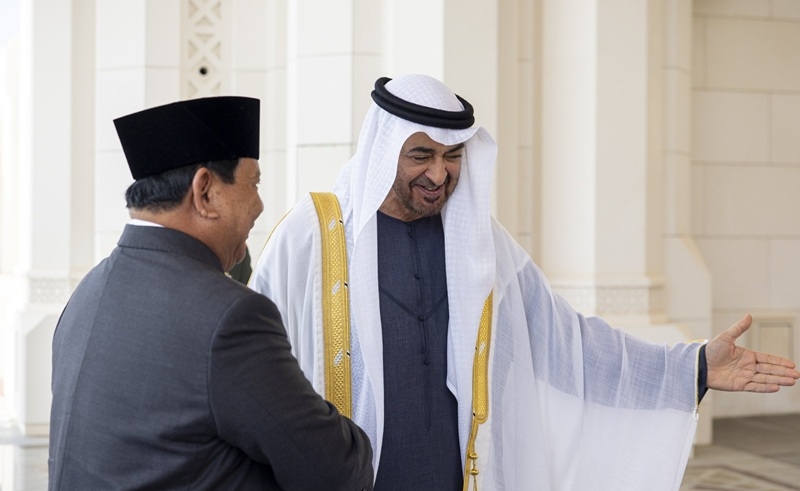
Indonesia, the world’s fourth most populous nation, in collaboration with the United Arab Emirates (UAE), has decided to launch an ambitious initiative. They have undertaken the responsibility of training 10 million coders within the next three years. It is a historic step taken by both nations in accelerating digital transformation. This partnership goes well beyond teaching basic digital literacy. It is designed to groom the youths of Indonesia who aspire to become creators, innovators, and leaders in the technology sector, particularly in the field of programming and artificial intelligence. To explore more about the country’s potential, check out some of the Hidden Gems in Indonesia that highlight its diverse growth and opportunities.
The vision behind the program
A mutual understanding lies behind the heart of this cooperation that digital skills are the foundation of future economies. Both countries have begun to realize that coding is no longer a niche talent restricted to software engineers. It is seen as the ushering in of new literacy essential for navigating and shaping the digital age. By aiming to print 10 million coders, the two nations want to utilize Indonesian youth not only in using technology but to build it, adapt it, and innovate with it.
This initiative has been taken by the UAE, taking over from its own “National Program for Coders, “launched in 2021 to train and attract 100,000 coders over five years. It has helped Emirates to strengthen bilateral ties with Indonesia by bringing the experience that expands its influence in global digital capacity-building. There is an urgent need for a skilled workforce to match the potential of one of the fastest-growing digital companies in Southeast Asia. There seems to be a lack of coding expertise, which is seen as a missing link between raw population size and sustainable digital competitiveness.
Program components and scope
The training program will not only cover basic programming but also specialized skills in artificial intelligence and other advanced technologies. The main motive is to produce coders who can contribute to real-world solutions, whether in private sector startups, multinational companies, or government services.
This collaboration also includes experience exchange between the two governments that goes beyond training. This means Indonesia will benefit from the UAE’s approaches to digital governance while the UAE will learn from Indonesia’s scale and diversity. They aim together to strengthen the overall digital talent ecosystem, including in public services, where there is an urgent requirement of efficiency and innovation.
Challenges and risks
There are significant challenges faced while scaling over 10 million coders. First, the quality of training must be safeguarded. Producing millions of graduates who understand only surface-level coding concepts would risk diluting the effort.
Second, the infrastructure disparities across Indonesia hinders equitable access. Apart from the two cities like Jakarta and Bandung, which are tech-friendly, remote provinces continue to struggle with reliable internet access. The absence of careful design will deepen the program rather than reduce inequalities.
Third is the issue of employability. The labour must have pathways for new skilled coders, irrespective of the training being successful. This requires parallel investment in startup ecosystems, digital ecosystems, digital businesses, and public-sector innovation to absorb the influx of talent.
Finally, the question of sustainability arises whether this initiative will continue beyond three years. It requires long-term institutional support for a lasting impact and not just a one-off push.
A bold step toward digital futures
In spite of the challenges, a bold and symbolic step was taken by the Indonesia-UAE coder program. Both countries have benefited from this initiative. Indonesia has become not just a consumer of technology but a producer and innovator. UAE has reinforced its role as a global partner in digital transformation. This successful initiative taken between the two countries could become a role model for other nations willing to bridge education, technology, and economic development on a massive scale.
The digital revolution will not wait. Indonesia and the UAE are relying heavily on human capital for training 10 million coders, which has become a decisive factor in securing their places in tomorrow’s global economy.
Disclaimer: Stay updated with the lastest news in Indonesia from politics to business trends, while also catching up on the lastest news in sports covering matches, scores, and tournaments. Explore the latest news in entertainment with celebrity updates, movies, and shows, and don’t miss the latest news in games, featuring trending releases and esports highlights.