

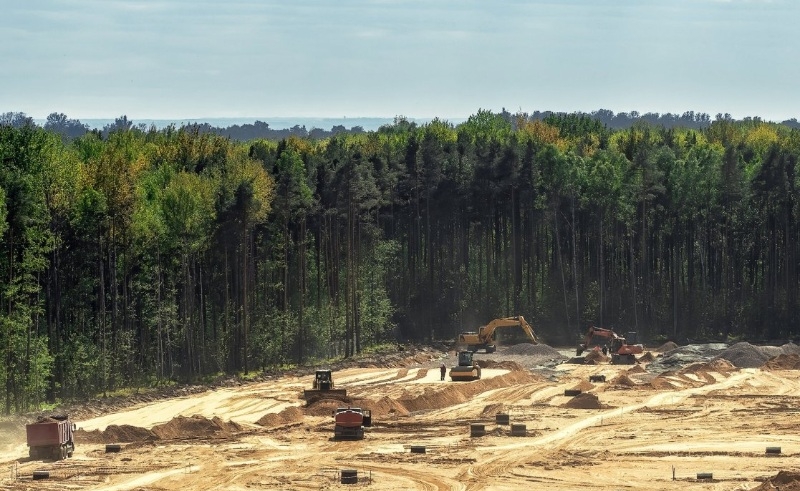
In Papua New Guinea (PNG), there are some of the most diverse rainforests in the world, with an area of over 28 million hectares and sustaining an estimated 5-8% of all known species. These forests are ecologically important and also socially important because approximately 97% of the PNG land is owned under customary ownership. However, serious concerns have been brought up about the use of forest-clearing permits in terms of a recent investigative report. The results reveal that Malaysian companies’ PNG forest-clearance permits dominate the land-conversion licences, which is the leading cause of destruction of the environment, control by foreigners, and marginalization of the local population.
Malaysian-Linked Companies and Forest Clearing Authorities
A report released by Kuala Lumpur based watchdog RimbaWatch indicates that 65 of 67 operating Forest Clearing Authorities (FCAs) in PNG are under the control of Malaysian associated companies. These are permits granted by Papua New Guinea Forest Authority (PNGFA) to convert the forest to agricultural or development projects that are above 50 hectares. Practically, opponents of FCAs claim that most of them are mostly utilized in large scale logging as opposed to sustainable development.
All these 65 permits represent approximately 1.68 million hectares of rainforest, of which approximately 88% is undisturbed forest. This has increased the fear of the loss of biodiversity in one of the richest ecological areas on the planet.
Economic Promises vs Ground Reality
FCAs were to generate employment and permanent earnings to citizens in PNG via agribusiness. But activists and researchers indicate that such promises have not been realised mainly. By 2024, almost a third of timber exports in PNG was associated with FCA operations with the profits being directed predominantly to overseas companies.
According to local land owners, logging usually starts without prior consultation and informed consent. Most contracts are drafted using complicated legal jargon, and thus most illiterate societies are unable to comprehend the contents that they are signing.
Environmental and Social Impact
The environmental cost has been high. Pricy hardwood species like kwila, taun and Calophyllum are also highly sought after and rivers and fishing areas have been reportedly contaminated by logging runoffs. The community leaders claim that the water quality has decreased due to sedimentation, which has had a direct impact on livelihoods.
Logging and export of existing permits is occurring even though the issuance of new FCAs has been moratorially suspended in 2023. In 2024 PNG exported 2.5 million cubic metres of round logs which is approximately a quarter of the world export of tropical logs 90% to China.
Calls for Accountability and Reform
According to activists, the moratorium is an empty gesture considering that it fails to deal with continued operations. The authors of the reports demanded more transparency on the part of PNGFA, more aggressiveness in enforcing land rights, and closer monitoring of companies that had a history of bad conduct. They also encourage the banks and financial institutions to implement zero-deforestation policies.
To local communities, court proceedings are now a resort. A number of landowners have already sued Malaysian-based logging companies in court hoping that their cases would lead to a precedent of safeguarding customary land rights throughout PNG.
Disclaimer: Stay updated with the lastest news, from politics to business trends, while also catching up on the lastest news in sports covering matches, scores, and tournaments. Explore the latest news in entertainment with celebrity updates, movies, and shows, and don’t miss the latest news in games, featuring trending releases and esports highlights.