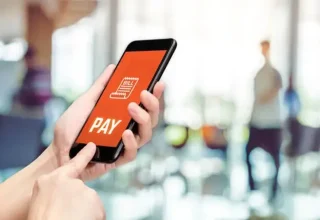

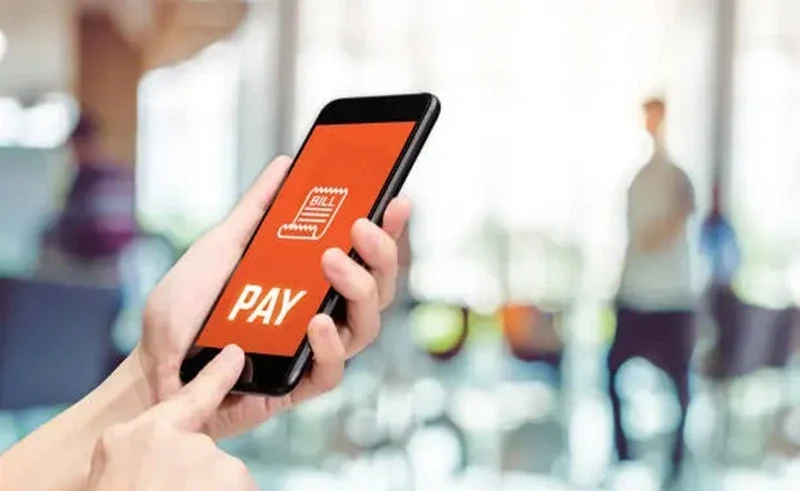
The trend that is sweeping across the world towards the adoption of the cashless economy is led by Asia and mobile wallets are making the change reshape the landscape. In 2026, digital payment will cease to be a trend and begin to be a way of life in emerging and developed markets. The emergence of services such as GCash, GrabPay, Paytm, and bKash, represent a more profound change towards the financial economy of convenience, accessibility, and innovation.
The most peculiar aspect about Asia is the rapid growth of mobile wallets across all income segments. Digital wallets have closed the divide between old-fashioned banking and the new financial services offered to street vendors in Manila, small businesses in Dhaka, and urban consumers in Mumbai and Singapore. This fast type of adoption is catalyzed by smartphone penetration, government-supported payment systems and frictionless transactions which are on the rise as a demand.
GCash: Financial Companion in Philippines
Philippines GCash has become a household name when it comes to online payment. It is not merely an app, it is highly interwoven in everyday life. Users depend on it to perform most of their functions, such as transfer of money as well as paying their utility bills and even investment opportunities. Its non-technical nature and forcible growth into the financial service industry have rendered it accessible to users who are not only technological but also those who are approaching digital adoption in their lifetimes.
The difference with GCash is the reach. It has managed to access the rural markets, where banking services are usually restrictive. It has empowered small merchants and local communities by allowing QR-based payments and offline accessibility capabilities. As of 2026, GCash is the leader since it will be focusing on the idea of financial inclusion and the growth of the ecosystem of its services.
Paytm: Indian Financial Platform
Paytm has a very competitive and swiftly developing fintech environment in India. This was first released as a mobile wallet but has since been stretched to a full fledged platform providing banking, lending, insurance and investment services. The fact that it has been integrated with the UPI infrastructure of India makes it stay relevant although other apps have stiff competition.
One of the strengths of Paytm is that it is versatile. It serves both individuals and businesses around, providing solutions that can be related to payments, purchase of tickets and even credit to merchants. Payments Payments Payments are accepted everywhere in the market; however Paytm stands out because of its constant innovation and adjustment to new regulations. Its development also speaks of a larger maturity of India’s digital economy.
bKash: Driving Financial Inclusion in Bangladesh
bKash is an outstanding case study of how mobile wallet apps can help revolutionize economies that lack well-developed banking infrastructure. In Bangladesh, it has emerged as a major financial instrument to millions of people particularly in rural and semi-urban regions. It has been very accessible due to its simple interface and emphasis on such core services as money transfers and bill payments.
The actual consequence of the platform is financial inclusivity. bKash has introduced millions of people to the formal financial system by enabling them to conduct transactions without having a conventional bank account. It also continues its service growth without compromising in the main aspect of its mission, which consists of access and affordability (which remains the same to this day, 2026).
GrabPay: The Super App in Southeast Asia
GrabPay is part of the bigger Grab ecosystem, which provides it with a special advantage in Southeast Asia. It is also built-in into a super app, unlike independent wallets that have ride-hailing, food delivery, and other functionalities. This integration will provide a smooth user experience, as payments are part of daily actions.
In such destinations as Singapore, Malaysia, and Indonesia, urban consumers have chosen GrabPay. The user engagement level is also increased by its reward system and loyalty programs. Using its ecosystem, GrabPay has managed to make itself more than a payment system, but a lifestyle platform.
Comparison between GCash, Paytm, bKash, and GrabPay
On comparison these mobile wallets shows are a mirror of the region-specific economic and cultural environment. In the Philippines, GCash is unavoidable due to its accessibility and daily applicability. Paytm is distinctive due to its full financial solutions and connection to a powerful digital platform. bKash is doing the most in the field of financial inclusion, especially in rural environments, and GrabPay is doing well because of integrating into the ecosystem and user convenience.
Their point of difference is the major one. Where Paytm and GrabPay are interested in creating large-scale ecosystems, GCash and bKash are interested in access and mass usage. This heterogeneity underscores the flexibility of mobile wallets in promoting multiple marketing requirements among various markets in Asia.
M-Wallets in Asian country Future
In the future, mobile wallets in Asia will continue to develop. The interplay of artificial intelligence, blockchain technology, and digital identity systems will lead to the reshaping of user interaction with financial services. There is also an ease in the cross-border payments which allow an economic connection in the region to be more connected.
Meanwhile, data privacy, cybersecurity, regulatory compliance represent some of the challenges that will define the second stage of growth. The firms able to strike the right balance between innovation and trust will become long-term leaders with regard to this area.
Final Thoughts
Mobile wallets have radically transformed the way individuals within the Asian region carry money. They have made financial services more democratic, enabled small business, and increased the transition to cashless economies. With such platforms as GCash, Paytm, bKash, and GrabPay developing constantly, they do not set their rivals off against each other, they are simply defining the future of finance in Asia.
FAQs
1. Which mobile wallet will be the most popular in Asia in 2026?
That is a question that does not have one correct answer because popularity differs depending on the country. In the Philippines, Paytm leads in India, bKash in Bangladesh, and GrabPay in Southeast Asia, GCash is dominating.
2. Can mobile wallets be regarded as safe?
Yes, the majority of virtual wallets of larger size are based on sophisticated encryption and safety. Nevertheless, the two-factor authentication category must be turned on by the users, and sensitive data must not be shared.
3. Is it possible to use mobile wallets abroad?
There are also some wallets such as GrabPay which allow transacting over boundaries in the Southeast Asian region but most are used within the borders. The cross-border functionality is projected to increase in the next few years.
Discover More Stories Worth Your Time
Explore Singapore’s growth strategies and job plans?
Check key ideas shaping future economy and jobs.
Check poorest cities in Philippines 2026?
Explore latest rankings and economic challenges now.
Discover rise of opinion influencers impact?
Check how they shape truth and public views.
Explore how to build passive income?
Discover beginner tips for earning online in Asia.
Check Awkarin prank controversy explained?
Explore why fans reacted strongly to the stunt.