

The fast naval build-up in the area of Taiwan and Japan is causing the tension of East Asia to be made more intense and is also changing the way nations are thinking about security, alliances, and deterrence. The risk of miscalculation is increasing with more patrols, military exercises, and grey-zone activities at sea coupled with spurring new defence investments and even closer strategic cooperation. The waters surrounding Taiwan Strait and the East China Sea are no longer merely trade routes to regional states and foreign powers, it is now the center of power competition that can define the future balance in the Indo-Pacific.
Naval Build-Up and Power Projection
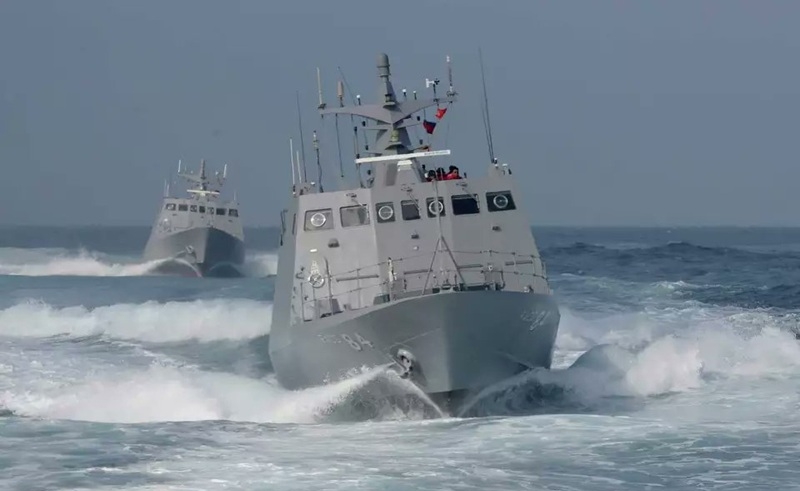
The past years have been characterized by more pronounced increments in the volume and sophistication of war ships, submarines, and maritime patrol equipment that are being used in and around Taiwan and Japan. Regional marines are spending in destroyers, anti ship missiles and under water warfare in order to display power and defend sea routes. Regular exercises and patrols on the disputed zones have a political overture as much as they have a role to play in providing some training with each of the parties attempting to show determination not to pass the boundary of open warfare.
Taiwan, Japan, and Alliance Responses
The risk of Taiwanese vulnerability and the emphasis of asymmetric defence, coastal missile, and enhanced coordination with the allies is in the increased naval activity in the case of Taiwan. Japan with increased aircraft and ships that are close to its territory as well as the Senkaku/Diaoyu Islands, has increased its defence budgets, intensified its defenses on the south and extended its security ties with the United States and like-minded allies. These actions coupled with the novel security discussions and collaborative drills are redefining the regional security framework in the direction of more networked deterrence.
Risks of Miscalculation at Sea
Such a high concentration of the military resources in comparatively small waters makes it more likely that accidents may occur, say, between ships or airplanes, which may grow out of control rapidly. The vague or disputed regulations of engagement, aggressive actions, and using coast guards and maritime militias during grey-zone operations also makes crisis management even more complex. The lapse of one collision or misinterpreted signal could lead to a broader conflict in the face of which neither of the parties initially wanted to emerge. The lack of sound communication channels and incident-avoidance mechanisms could cause.
Implications for East Asian Security Order
The naval build-up near Taiwan and Japan is accelerating a broader shift from a primarily US-centred security order to a more multipolar, coalition-based system. Local states are diversifying alliances, investing in local defence industries, and discussing their limits in aiding contingency planning in the Taiwan Strait or surrounding seas. Concurrently, all-out conflict is extremely expensive to all involved due to the economic interdependence and reliance on stable sea routes. The question to East Asia is how it can possibly change its security arrangements quickly enough to be able to cope with the growing tensions at sea and avert an arms race and a crisis.
Disclaimer: Stay updated with the lastest news, from politics to business trends, while also catching up on the lastest news in sports covering matches, scores, and tournaments. Explore the latest news in entertainment with celebrity updates, movies, and shows, and don’t miss the latest news in games, featuring trending releases and esports highlights.