


A child tugging at a bright flower in the yard. A farmer resting under a tree near the fields. What looks harmless sometimes hides danger. Across the Philippines, poisonous plants stand in plain sight. Recognition saves lives. Awareness keeps accidents away.
Travelers who wander through provincial trails or stop near village gardens often encounter these plants without knowing their effects. Health authorities in regions such as Ilocos Norte have placed warnings, a reminder that some plants are admired for beauty but carry toxins. Tourism and safety often cross paths, and guides mention both when listing Ilocos Norte tourist spots. Locals also learn that what grows beside the path may heal, but it can also harm, much like how travelers are drawn to natural wonders such as the Best Beaches in Cebu.
Tabular Column of 10 Poisonous Plants in the Philippines
| Plant Name | Local/Other Name | Toxic Part | Effect on Humans |
| Buta-buta | Blinding Tree | Sap, bark | Blistering skin, temporary blindness |
| Talumpunay | Cachubong, Jimsonweed | Leaves, seeds | Hallucinations, delirium, possible death |
| Dieffenbachia | Dumbcane | Sap in stems, leaves | Mouth burning, swelling, speech loss |
| Rosary Pea | Bangati | Seeds | Fatal poisoning if chewed |
| Castor Plant | Tuba-tuba | Seeds | Severe stomach pain, vomiting |
| Wolfsbane | Monkshood | Root, leaves | Numbness, heart failure |
| English Yew | Yew tree | Seeds, leaves | Breathing trouble, sudden death |
| Belladonna | Deadly nightshade | Berries, leaves | Hallucinations, dilated pupils |
| Trompeta | Angel’s Trumpet | Flowers, seeds | Confusion, seizures |
| Pong-pong | Suicide Tree | Seeds | Cardiac arrest |
Top Poisonous Plants in the Philippines
Toxic plants are not rare ornaments. They grow in gardens, schools, and farmlands. Some are planted for shade, others for their looks. A few are used in folk remedies but carry risks far greater than the cure. Here are the most known examples.
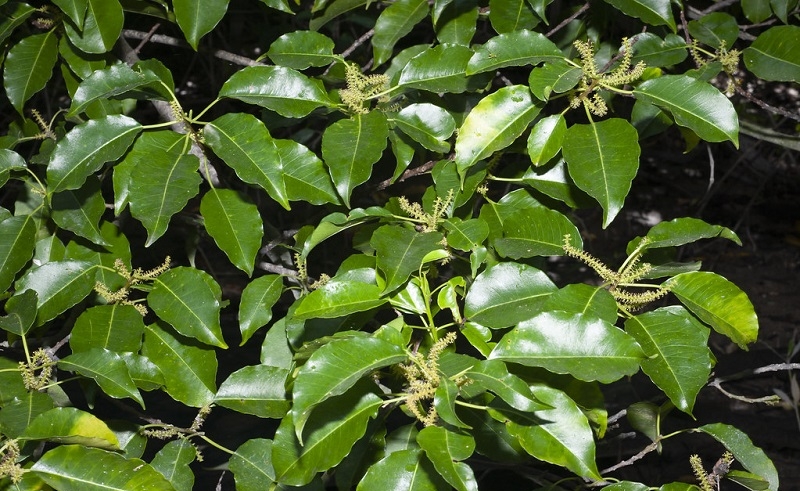
Buta-buta (Blinding Tree)
This mangrove tree carries milky sap that burns skin on contact. Smoke from its wood stings the throat and eyes. Fisherfolk warn children never to touch broken twigs because even a drop near the eyes may blind for hours.
Talumpunay / Cachubong
Often growing wild along rural paths, this plant has long been tied to misuse. Its leaves and seeds bring delirium and hallucinations. Rural healers once used it carefully, but misuse often ended with hospital visits or worse.
Dieffenbachia (Dumbcane)
Many homes keep it indoors for its patterned leaves. Break a stem, and sap drips. Touching lips or mouth causes swelling that makes speaking impossible for a while. A silent danger hiding in a living room pot.
Rosary Pea
The bright red seeds with black spots look like toys. Children string them into necklaces. The problem is simple—when cracked or chewed, one seed can kill. Fatal poisonings have been recorded in villages and cities alike.
Castor Plant
Tall and leafy, it produces shiny seeds often mistaken for nuts. Inside those seeds lies ricin, one of the most dangerous toxins known. Even small amounts trigger stomach cramps, vomiting, and organ damage.
Wolfsbane
Imported as an ornamental in some gardens, it has a violent history in Europe. Its root and leaves contain alkaloids that numb the skin and stop the heart. Gardeners who grow it often have no idea of its background.
English Yew
A tree with dark green needles and red berries. The berries tempt, but the seeds inside are lethal. Death can be sudden, with little warning. Landscapers still use it for design, unaware of its danger to pets and children.
Belladonna
Also called deadly nightshade. Its berries glisten purple-black and look edible. They are not. Alkaloids inside cause hallucinations, blurred vision, and racing pulse. In old times, women used drops from the plant for large pupils. Fatal beauty.
Trompeta / Angel’s Trumpet
Large flowers hang like trumpets and perfume the evening air. But inside them lies scopolamine, a toxin that confuses the mind and convulses the body. Curious children who taste nectar from the blossoms often fall ill quickly.
Pong-pong / Suicide Tree
Seeds of this tree contain cerberin, which attacks the heart. Farmers call it the suicide tree because swallowing even a small amount has led to countless deaths in Asia. Its fruit resembles mango but hides a far darker secret.
Signs and Symptoms of Plant Poisoning
Plant poisoning does not follow one script. Some cases begin with burning in the mouth or throat. Others start with dizziness or sudden vomiting.
The most dangerous strike quietly, with the heart or lungs failing before warning signs appear. Doctors often stress that timing is everything. Immediate medical care means survival. Delays cost lives.
Safety Tips to Prevent Plant Poisoning
Communities are urged to look around schools and parks for dangerous plants and remove them if needed. Gloves should be worn when trimming species like dumbcane.
Children should be told never to taste seeds or berries, no matter how colourful. Farmers working with mangrove or forest trees carry stories of friends blinded by sap or weakened by smoke. Such stories are reminders more effective than posters.
Role of Education and Community Awareness
Every July, health departments run Poison Prevention Week. Posters are pinned in barangays, showing photos of toxic plants and their local names. Teachers add reminders in science classes.
Local radio stations sometimes run warnings during planting season. The message spreads faster when neighbours share it in their own words.
When to See a Doctor?
Doctors advise urgent care if any part of these plants is swallowed. Even without symptoms, organs may already be under attack. Families are told to bring samples of leaves, seeds, or fruits to hospitals. Quick identification speeds up treatment. Delay invites disaster.
FAQs
1. What poisonous plant is most common in Philippine homes?
Dieffenbachia, often grown indoors, is widespread and dangerous if chewed or touched.
2. Can touching poisonous plants cause harm without eating them?
Yes. Sap from Buta-buta or Dumbcane burns skin and causes swelling even without swallowing.
3. Why do people still grow poisonous plants in gardens?
Most are chosen for their flowers or shade, not knowing the toxic risks hidden inside.
4. How can schools protect children from plant poisoning?
By removing toxic plants from playgrounds and teaching students to avoid unfamiliar seeds or berries.
5. What is the first step after suspected plant poisoning?
Seek medical help immediately, rinse the mouth with water, and never try home remedies first.
Disclaimer: Stay updated with the lastest news in Philippines, from politics to business trends, while also catching up on the lastest news in sports covering matches, scores, and tournaments. Explore the latest news in entertainment with celebrity updates, movies, and shows, and don’t miss the latest news in games, featuring trending releases and esports highlights.