


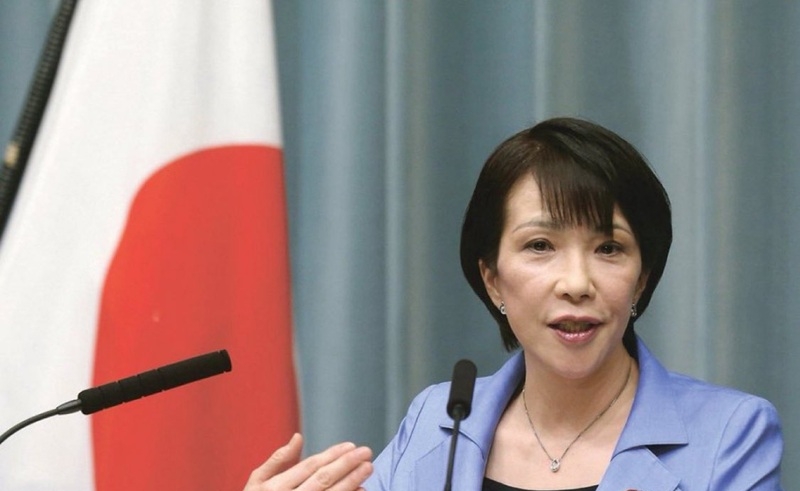
The political scene in Japan is filled with speculations as the new political outfit of Sanae Takaichi is practically ready to take place. The veteran conservative is making a bold gamble with talk about an early vote in February, one of which could open the door for her to the Prime Minister’s office and seal Japan’s future with all its possibilities of a turning point in its history.
A Bid for History
Sanae Takaichi is likely to gain recognition as a nominee for becoming the first female Prime Minister of Japan. One of the many indicators of this change is the growing acceptance of a woman at the helm in a society that has been dominated by men for so long. The supporters cheer her as a woman of decisiveness and reforms, while critics are questioning whether it is too bold a move for her at this point.
Why February Matters
The decision to have early voting in February is a tactical step. It is meant to make the most of the present momentum before the internal party conflicts or the external pressures dilute the support. Taking steps early could also help in gathering the voters who have not made up their minds yet and at the same time, preventing the rivals from building a strong counter-narrative.
Risk and Reward
The road to early elections is always full of hazards. A quick vote could be very energising for the loyal supporters, but at the same time, it might push away the cautious voters who prefer stability. The fate of Takaichi’s gamble will depend on whether the public will interpret the move as a sign of confidence or a sign of desperation.
The Voter Factor
The Japanese electorate is more cognizant now than ever of economic security, global diplomacy, and social transformation. Takaichi has the hard task of linking her leadership to the voters’ daily life, thus persuading them that the timing for boldness equals bold governance.
A Turning Point for Japan
If this tactic takes off, it will not only be a turning point for Takaichi’s career but also for the representation of women in Japanese politics. The opposite scenario, however, could mean that the whole process has to start all over again after many years.
Summary
Sanae Takaichi’s proposal for a February election is a politically risky move. It can either solidify her road to making history as a leader or reveal the dangers of being too quick in advancing Japan’s slow-moving political scene.