


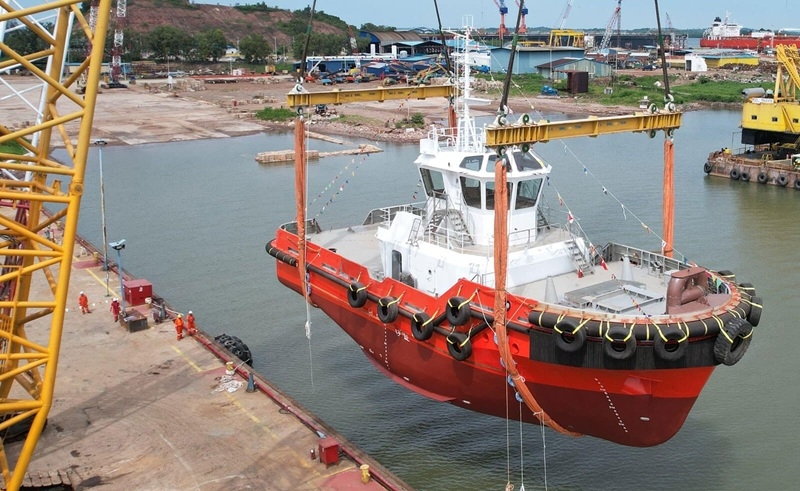
The commissioning of its first fully electric tug is a major step Singapore has made in ensuring sustainable maritime operations with the carrier expected to be deployed in 2026. The milestone vessel is the evidence of the priorities of the country in decarbonisation of port operations and the modernisation of harbour crafts with clean-energy technologies. The new tug is supposed to reduce carbon emission, minimize noise and increase operational efficiency because it is designed to run without direct emissions. This is in line with the long term strategic plan of Singapore to make sure that all new vessels in the harbour are electrically powered or that they can be used with greener fuels, asserting its status as the world leader in sustainable innovation in ports.
A Major Milestone for Electric Harbour Operations
The fully electric tug commissioned is a revolution of the Singaporean maritime landscape. The tug is designed to support strenuous harbour manoeuvres and provides good bollard pull results, which is entirely battery powered. The electric design can be used in densely populated port waters unlike traditional diesel-powered vessels since it does not produce exhausts.
This high-tech electric tug incorporates both the state-of-the-art propulsion and energy management systems which enable control and effective use of power. Its commissioning stage verifies the maturity of the vessel to undergo operational needs before it is deployed at full scale in 2026.
Driving Singapore’s Maritime Decarbonisation Vision
The launch of the fully electric tug is consistent with the Singapore national decarbonisation roadmap in the maritime industry. Governments have established definite objectives of switching harbour craft to electric and low-emission equivalents within the next few years.
Singapore being one of the busiest ports in the world is under pressure to prevent more emissions in port-related activities. It is hoped that the implementation of this electric harbour craft will be of utmost importance in enhancing air quality and prove that sustainability and operational efficiency can coexist.
Advanced Technology Powering the Electric Tug
The fully electric tug features a high capacity battery system with its design being to facilitate intensive harbour operations. The ship has smart energy management technology which distributes power efficiently on the propulsion and onboard systems.
The electric propulsion system offers immediate torque, a more refined handling as well as less maintenance requirements than conventional engines. These characteristics render the electric tug an efficient and future-oriented product to be used in ports with the aim of modernising the fleet and minimising the impact on nature.
Setting a Benchmark for Global Ports
The delivery of the first fully electric tug in Singapore is a new standard in the ports across the globe. It shows that electric harbour ships are capable of undertaking important duties with ease and in concert with sustainability agenda.
The tug, which was designed to operate next year, will open the way to increased use of electric harbour craft throughout the region. This project will reinforce the image of Singapore as a future-oriented maritime center that believes in innovation and sustainability.
Disclaimer: Stay updated with the latest news, from politics to business trends, while also catching up on the latest news in sports covering matches, scores, and tournaments. Explore the latest news in entertainment with celebrity updates, movies, and shows, and don’t miss the latest news in games, featuring trending releases and esports highlights.