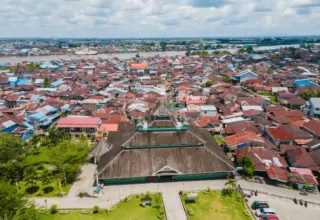


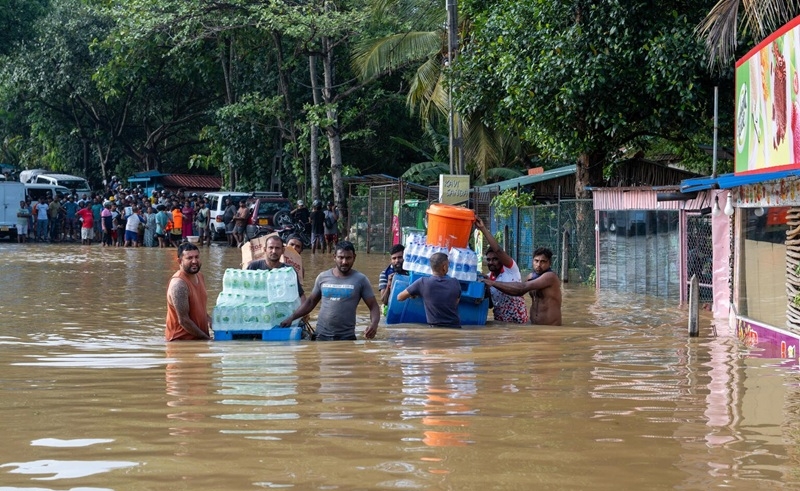
Sri Lanka’s famous tea-growing area was devastated when Cyclone Ditwah went through the central highlands, destroying farms and forcing thousands of people to leave their homes. The area where tea is grown was once famous for its beautiful hills and estates that were over a hundred years old. Now it looks like a beaten-up land of mud, broken trees, and homes that have fallen. The storm was one of the island’s most intense in the last few years. It caused a lot of flooding and landslides that took many plantation towns by surprise.
Long stretches of tea farms have been destroyed in Nuwara Eliya, Hatton, Badulla, and Ella. Plantation workers said that parts of land just collapsed, taking with them older tea leaves that had been grown for decades. For families living in the traditional line houses on estate slopes, the storm turned a normal evening into hours of fear and chaos as roofs flew off and walls crumbled under strong winds.
An industry that was disrupted and lives that were shattered
Because tea is so important to Sri Lanka’s culture and its economy, this destruction is especially painful. It is briefly impossible to get to factories in the highlands, and they have to close because of road damage and a lack of fresh leaves. Because soil erosion is removing the layers of soil that are rich and fertile, land managers say that replanting will be costly and take a long time.
Smallholder farmers, who make most of the island’s tea, are now having a very hard time with money. A lot of them get paid every day and don’t have the money to fix floods, rebuild irrigation systems, or replace crops that have been damaged. Their pleas for government help show how vulnerable plantation towns are to climate disasters.
Relief Work Has Started, but Recovery Will Take a Long Time
The Sri Lankan government has sent disaster experts, rescue teams, and emergency shelters to the districts that have been impacted. They’re giving food, medical supplies, and temporary housing, but officials say the amount of damage is too much for them to handle. Relief work is made more difficult by the threat unstable hills face from ongoing rain.
Environmental scientists say that Cyclone Ditwah is not a one-time thing but a sign of a changed climate. As severe storms happen more often, Sri Lanka’s plantation areas may face repeated threats. These can be avoided with better buildings, smarter land use, and long-term climate adaptation.
The island’s tea heartland is still damaged, but communities want to rebuild it and return the green hills that are a symbol of Sri Lanka’s history.
Disclaimer: Stay updated with the lastest news, from politics to business trends, while also catching up on the lastest news in sports covering matches, scores, and tournaments. Explore the latest news in entertainment with celebrity updates, movies, and shows, and don’t miss the latest news in games, featuring trending releases and esports highlights.