

The days of Southeast Asian travel for Indians have truly arrived. At the moment, Thailand and Malaysia have both agreed on long-term extensions of their visa-exempt policies, making spontaneous travel to Bangkok or Kuala Lumpur even simpler. There is added digital compliance, however, for this convenience. Unlike days gone by when you had to go to an embassy, omission of a single digital document, namely the Malaysia Digital Arrival Card (MDAC), can now lead to heavy fines or bans. The key to avoiding this Southeast Asia visa update headache is to navigate it correctly.
Malaysia’s 2026 Visa Policy and the MDAC Mandate
The Malaysian government has announced that all Indian nationals are allowed to enter the country without a visa for a period of 30 days up to December 31, 2026. The move is to promote regional tourism and has made it much easier to enter. But visa-free doesn’t imply form-free. The most important part of the Indian traveler entry rules in 2026 is the need for a Malaysia Digital Arrival Card (MDAC).
Avoiding Arrival Fines
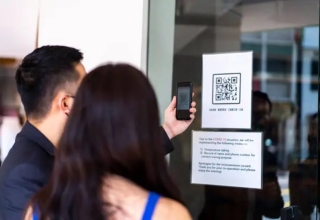
MDAC compliance is now being enforced at immigration points such as KLIA. This digital form will be submitted by travellers on the Malaysian Immigration’s official website at least three days before their arrival. In the event of a non-filing of a valid MDAC, the Immigration Act may be interpreted as an “illegal entry,” and the fine levied against the non-compliant person may be up to RM 3,000 (~₹55,000) or deportation immediately. Please keep a digital or printed copy of the confirmation with you to ensure that there is a smooth e-gate changeover.
Thailand Increases Stay Limits to 60 Days
But in a surprising and welcome move, Thailand has actually upgraded its previous 30-day allowance. This has been changed under the new “Form 60” list, giving Indian tourists a visa-free 60-day stay. This change is in line with the visa changes in Southeast Asia visa updates for 2026, which focus on visas for longer stays for tourists rather than transit.
The New TDAC System
Inspired by Malaysia, Thailand has launched the Thailand Digital Arrival Card (TDAC). This is in place of the previous blue paper forms that were distributed on flights. The Thai Ministry of Foreign Affairs states that the TDAC needs to be done online within 72 hours of arrival. There is less punishment than education now for having a completed TDAC when crossing Thailand’s immigration compared to Malaysia, but in 2026, having a completed TDAC will be mandatory to pass through Thai immigration.
Top Asia travel and visa updates today.
Why Malaysia Jobs Got Tougher?
Explore the new salary rules affecting foreign workers in 2026.
How Does Thailand DTV Work?
Check out the visa benefits for long-term remote stays legally.
Can Visa Unlock Secret Dining Spots?
Discover Bangkok’s new elite travel access experiences for visitors.
Why Are Vietnam Visas Delayed?
Find what travelers should do before booking flights today.
Will AI Soon Handle Payments?
Uncover how Visa’s new bot-payment system may work soon.
Strategic Planning for Indian Traveler Entry Rules
To maximize the digital travel compliance of your trip, ensure you meet the ancillary requirements that officers often check randomly.
- Passport Validity: Must be at least six months from the date of entry.
- Proof of Funds: Thailand requires proof of approximately 10,000–20,000 THB per person, while Malaysia expects travelers to show “sufficient funds” for their stay duration.
- Onward Travel: A confirmed return or onward flight ticket is mandatory.
For the latest official advisories, Indian citizens should regularly consult the High Commission of India in Kuala Lumpur and the Embassy of India in Bangkok.
FAQs
What is the penalty for not filling out the MDAC?
In 2026, travelers without an MDAC may be fined up to RM 3,000 and face significant delays at immigration. In some cases, entry may be refused entirely.
Can I extend my stay beyond the visa-free limit?
In Thailand, the 60-day stay can often be extended for another 30 days at a local immigration office for a fee of 1,900 THB. In Malaysia, extensions for visa-free entries are generally not permitted except for medical emergencies.
Is travel insurance mandatory for visa-free entry?
While not always checked, both the Tourism Authority of Thailand and Malaysian authorities strongly recommend insurance that covers at least $10,000 in medical expenses.