

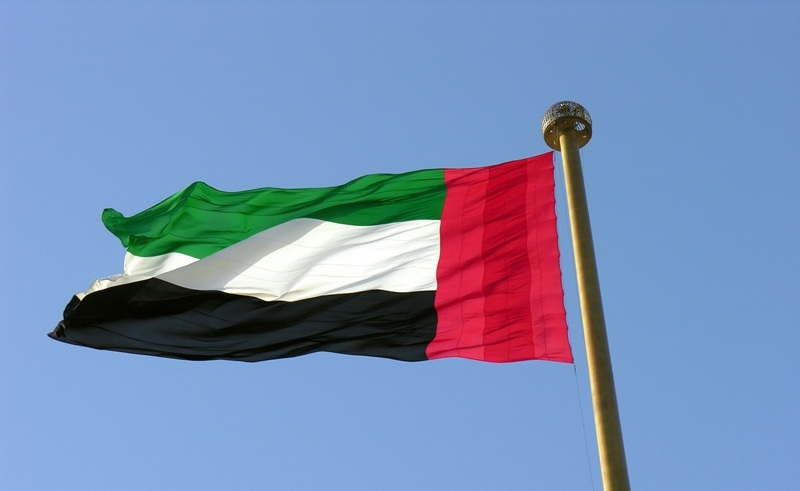
After a lot of uncertainty around the world, the International Monetary Fund’s most recent Regional Economic Outlook for the Middle East and Central Asia gives the area a cautiously positive view. The United Arab Emirates (UAE) is expected to have the highest GDP growth in the area, at 4.8% in 2025. This shows how strong and proactive the country’s economic policies are. It’s likely that the global economy will lose some speed around the time of the review.
According to the recent World Economic Outlook, global growth is projected to slow from 3.3% in 2024 to 3.2% in 2025 and 3.1% in 2026, reflecting persistent geopolitical and financial headwinds.
Why the UAE Stands Out
The UAE’s strong anticipated growth rate represents a stark contrast to the modest recovery of other oil-exporting countries. In support of the positive forecast, several structural aspects are supported by data:
- Rebound in Oil Output and Hydrocarbon Market Strength
The steady adjustment of oil output and favourable price signals remains a strong basis for fiscal and external stability. However, unlike in the past, the growth of the UAE economy is not solely connected to hydrocarbons.
- Diversification and Non-Oil Momentum
The UAE’s emirates’ long-term vision, articulated through We the UAE 2031 and other economic development plans, is diversifying and is now increasing in speed. The sedentary economy grows with a modest but increasingly becoming a new means of real GDP generation with non-hydrocarbon economic growth. Non-oil elements such as services, tourism, manufacturing, logistics, and technology are becoming major engines for growth. The recovery of tourism in Dubai and the fundamental shift in the direction of Abu Dhabi towards industrial manufacturing and the integration of AI development signalling foreign direct investment (FDI) in funding, output and private sector development increasingly strengthens domestic output and FDI inflows in addition to reduced reliance on hydrocarbon investment sources.
- Stability in the economy and the money supply
The IMF thinks that inflation will stay low at 1.6% until 2025 because governments will be careful with their money, currencies will be safe because they are pegged, and there will be plenty of cash on hand. When things go wrong in the world economy, the UAE’s sovereign wealth funds and budget buffers protect the economy from those problems.
- Stability in the midst of uncertainty in the region
The UAE is still seen as the most promising place for growth, but the IMF’s Regional Economic Outlook says that the Middle East and Central Asia are also very resilient. This is especially important because the world is facing problems like less trade, tighter finances, and higher geopolitical danger.
- Strategic Implications for Asia
The UAE’s economic clout has important implications for Asian economies with close trade and investment ties to the Gulf. India, China, Japan and South Korea are still significant partners in the UAE, particularly in the energy, logistics and digital sectors. The UAE’s growth in non-oil sectors could lead to new opportunities for infrastructure partnerships, renewable energy projects, and fintech opportunities with other Asian partners.
The UAE, where Dubai is taking a role as a global financial and logistics hub, will continue to solidify the flow of capital, goods, and technology between Asia and the Middle East. This interdependence may bolster resilience and strength over the wider Asia to Middle East corridor, but both will have to be cautious about the profitability of global pressures.
Can the UAE keep its pace?
And, while the IMF’s forecast looks positive, it must be matched with fiscal prudence on the pace of reform. In a decarbonizing world with demographic trends shifting and climate-related risks evolving, the UAE will need to remain competitive to sustain a place of high growth.
The UAE’s strategic investments in clean energy, AI and smart logistics should demonstrate policy makers are willing to be forward thinking instead of accepting the status quo. However, global pressures could vary, whether related to interest rates or geopolitical events.
Table: Key IMF Projections (2025)
| Indicator | UAE | Global Average | Middle East Avg |
| GDP Growth | 4.8% | 3.2% | 2.9% |
| Inflation | 1.6% | 3.5% | 5.2% |
| Fiscal Balance (% GDP) | +1.4% | — | -1.2% |
FAQs
1. What are the factors behind the projected high GDP growth in the UAE?
According to the IMF, non-oil diversification, a strong fiscal buffer, and the recovery in oil output are driving factors.
2. How does the UAE measure against other Gulf economies?
At 4.8% growth, the UAE is outpacing Saudi Arabia and Qatar, in part because of a more balanced sectoral expansion.
3. What risks could affect the UAE outlook for 2025?
Possible risks include global increases in interest rates, geopolitical tensions, and climate impacts.
Disclaimer: Stay updated with the lastest news, from politics to business trends, while also catching up on the lastest news in sports covering matches, scores, and tournaments. Explore the latest news in entertainment with celebrity updates, movies, and shows, and don’t miss the latest news in games, featuring trending releases and esports highlights.