

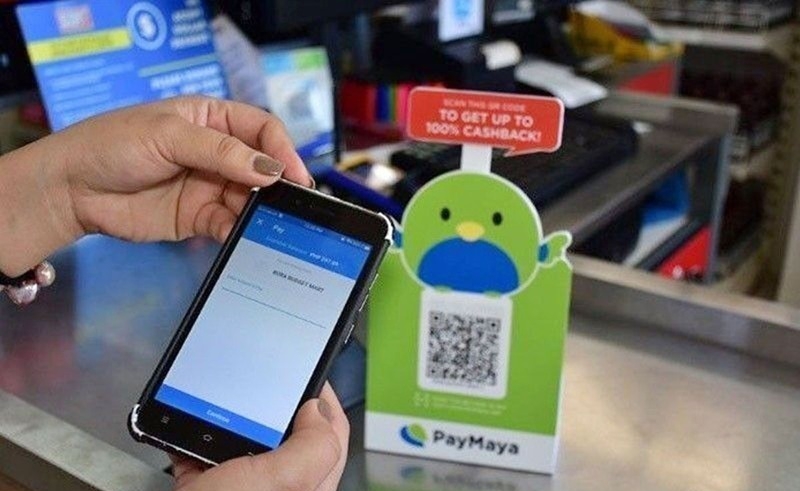
A jeepney queue at Cubao. Sticky afternoon heat, horns, a small beep near the cashier. Wallet apps rising in the Philippines is not a slogan here, it is a habit forming in real time. A QR by the stall, a tap, a chime. Simple, quick, slightly addictive.
What Are Wallet Apps and How They Work
A wallet app stores money in a secure digital balance linked to a phone number or bank account. Funds move through top ups, bank transfers, cards, and cash-in counters at neighborhood shops. Scan a static QR at a bakery, or present a dynamic QR on the screen, and the payment lands in the merchant account in seconds.
The user sees a receipt, the store hears a soft ping, and both move on. That is how it functions on most days. Behind the scene sit risk checks, SMS alerts, and app locks with PIN or biometrics. Nothing fancy, just clean rails that people can trust, hopefully.
Why Wallet Apps Are Rising in the Philippines
Cash is still king at the wet market, but lines push people to faster options. Data packs got cheaper, phones got better, and QR signs appeared in places that once took only small notes. Parents use apps to send allowance before class. Delivery riders prefer instant wallet tips that do not disappear as loose change. Fees are low for small tickets, which matters in daily life. It helps that merchants now keep QR on the counter beside the steel tongs and the citronella candle. A small upgrade, big time saver. Honestly, convenience wins more hearts than any campaign.
Top Wallet Apps Used in the Philippines
Below is a quick snapshot people talk about in stores, tricycles, and group chats. Not a ranking. Just what the street sees.
| App name | Common uses | Noted strengths | Everyday remark |
| GCash | bills, P2P, QR pay | wide cash-in points | sari-sari takes it, no fuss |
| Maya | QR pay, cards, savings | neat UI, quick loads | clean look, fast taps |
| ShopeePay | e-commerce, QR promos | marketplace tie-ins | good for sale days |
| GrabPay | rides, food, wallet pay | ride+food ecosystem | one app, many stops |
Everyday Use Cases and Benefits
People pay jeepney fares on pilot routes, buy taho at a cart that now keeps a laminated QR, and split barbecue bills at a street-side table. Small shops love the daily settlement view, so they can plan stock for tomorrow’s rush. Families send money during storms when ATMs are down. Students load mobile data at 10 pm without hunting for an open kiosk.
And yes, cashback lures first timers, but the real hook is the time saved in a crowded line. Less rummaging for coins, less awkward math, fewer delays. Sometimes it’s these tiny frictions that push change.
- Micro and small merchants get faster turnover, clean logs, and fewer cash shortages at close.
- Shoppers track spend in one place, set quick limits, and avoid coins that vanish.
- Riders and couriers receive instant tips that actually arrive before the next order
- Households pay bills on due date nights without stepping out into the rain
Challenges and Limitations to Address
Network hiccups at peak hours lead to stalled queues and raised eyebrows. A QR that will not scan, a spinner that keeps spinning, a customer who wonders if money left the phone. People need better offline flow and clearer fallbacks. Fraud attempts still lurk in fake links and cloned pages. Simple rules help, like never tapping unknown prompts and checking the official handle, but not everyone reads alerts.
Rural pockets face weak signals and long trips to cash-in points. Merchants still juggle multiple QR stands and back office logins. Too many dashboards, not enough quiet. That’s the complaint heard often.
The Future of Digital Wallet Adoption in the Philippines
Expect deeper use in transport, utilities, and school payments, with cleaner QR at gates and counters. Expect more tie-ins with savings jars, tiny loans, and purchase protection that actually explains itself in plain words. Cross-border wallet corridors will matter to families who live apart from work. Interoperable QR rails will reduce duplicate signs on small counters, which is overdue.
The tone is practical, not flashy. If payments finish in two taps, people keep using it. If refunds return fast, trust grows. The rest is noise. Feels obvious, yet this is the real roadmap.
FAQs
1. Are wallet apps safe in the Philippines?
Top apps follow QR Ph rules, use PIN, biometrics, OTP. Keep the app lock on, avoid strange links, and set a strong PIN. For big amounts, split funds between bank and wallet. That’s just safer.
2. Which wallet apps are most used right now?
GCash and Maya lead, with ShopeePay, GrabPay, Coins.ph close behind. Pick based on fees, cash-in points, and billers near your place. Try two apps, keep the one that fits daily habits.
3. How do wallet apps make daily payments easier?
Bills, load, QR at sari-sari or trike stands, quick transfers. No need to count coins in a hot queue. Feels better already. Save frequent billers and set reminders, a simple time saver.
4. What charges should users watch out for?
Cash-in, cash-out, bank transfer, and some QR merchant fees. Promos can offset small costs, but read the fee page once. If a fee looks odd, check the app help then decide calmly.
5. What if the phone is lost or stolen?
Log out via the web, freeze the wallet, change PIN fast. Call the hotline and submit ID if they ask. Painful, yes. Next time, enable device find, and keep recovery email updated
Disclaimer: Stay updated with the lastest news, from politics to business trends, while also catching up on the lastest news in sports covering matches, scores, and tournaments. Explore the latest news in entertainment with celebrity updates, movies, and shows, and don’t miss the latest news in games, featuring trending releases and esports highlights.