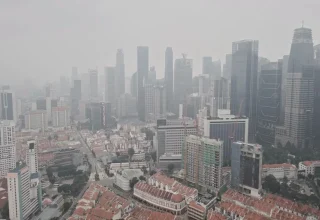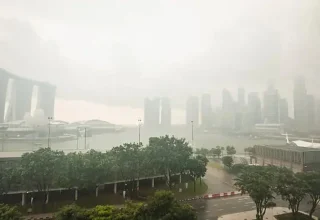


Thailand is experiencing one of the most threatening heatwaves in recent history, and the government is sending serious alerts of deadly heat. This has been complicated by the extreme temperatures coupled with the high humidity that have resulted in high levels of heat index, causing alarm.
In some cities such as Bangkok and tourist destinations such as Phuket, the temperature has reached 52° C. It is not only uncomfortable weather, but it is a real health threat to the population.
Why is the Heatwave Becoming Lethal?
The health authorities of Thailand issue the alert, which include: Bangkok Metropolitan Administration, and the department of health. They list the existing situation as extremely dangerous, as in which even a moderate outdoor activity may cause heatstroke.
Some areas have registered a temperature above 40 ° C with other parts such as Lampang registering temperatures up to 44 ° C. Humidity together with the ability of the body to cool itself by sweating is rendered useless. This puts chances of overheating and organ failure at a high risk.
El Nino and Heat of the Season
The weather is expected to be hottest with April traditionally being the hottest month in Thailand anyway, however with the El Nino weather pattern further intensifying the heatwave this year. This international climatic cycle has been known to increase the temperature and decrease the amount of rainfall thereby establishing a long dry and hot environment.
Consequently, the country not only experiences high daytime temperatures, but warm nights as well. This causes the body not to recover, but rather results in a build-up of heat stress in several days.
What is the 15-Minute Rule of Tourists?
Experts are embracing the so-called 15-minute rule to enable people to remain safe. This is an easy rule that is essential to any outdoors person.
There is no more than 15 minutes direct sunlight that is recommended at times among the tourists. Afterwards they are supposed to rush to a darkened or air-conditioned place in order to cool down. The cycle aids in body temperature and heat exhaustion.
More Stories You Shouldn’t Miss
How Do Thai Remote Workers Relax Weekends?
Explore fun activities to unwind and rebalance life.
Why Is Remote Work Booming Across Asia?
Discover key reasons behind Asia’s remote work surge.
Which Cafés Are Best For Remote Work?
Check top cafés in Chiang Mai for productivity.
Where Are Makati’s Top Co-Working Spaces?
Explore the best spaces for remote professionals today.
What Should You Know About Remote Jobs?
Discover essential tips for working online in Indonesia.
How to Follow the 15-Minute Rule Effectively?
The regulation is not merely time-related, but about how your body is exposed to excessive heat. Regularly, even when it is not a sense of thirst, travelers need to drink water, preferably every 15 to 20 minutes.
Outdoor activities should be avoided between 10.00 AM and 4.00 PM the time when the sun is at its peak. Lightweight light colored clothing can also serve to help deflect heat and make one more comfortable. Such easy routines can go a long way in minimizing health threats.
Other Hazards: Urban Heat and Pollution
This is complicated by increased PM2.5 levels of pollution in some areas in Thailand. Unhealthy air quality in conjunction with excessive heat may aggravate respiratory issues and health-related conditions.
The heat island effect, where buildings and streets made of concrete retain heat, is especially susceptible to urban areas. This makes even cities feel hotter as compared to the countryside.
What This Means to Travelers?
To tourists, this heatwave alters the way the traveling plans ought to be. Tourist programs might have to change to the early mornings or even after dinner time. Malls, museums, cafes and other indoor attractions that are considered unsafe during peak seasons like during weekends, would be their alternative.
Law enforcement agencies are pressing the point that this is not an ordinary summer, it is a possibly life threatening scenario. Significant precaution and awareness should be known to any visitor who comes to Thailand during this time.
FAQs
What is a lethal heat warning?
A deadly heat warning is an indicator that the heat and humidity are excessively high to produce severe health effects such as heatstroke even in the case of minimal physical activity.
What is the 15 minute rule?
The 15-minute rule recommends 15 minutes outdoors at preventive steps and then you have to take a rest in an open or shady area to avoid overheating.
What are the symptoms of heatstroke?
The initial symptoms are dizziness, fatigue, confusion, headache, and nausea. In case symptoms deteriorate, it will be necessary to do immediate cooling and seek medical attention.