









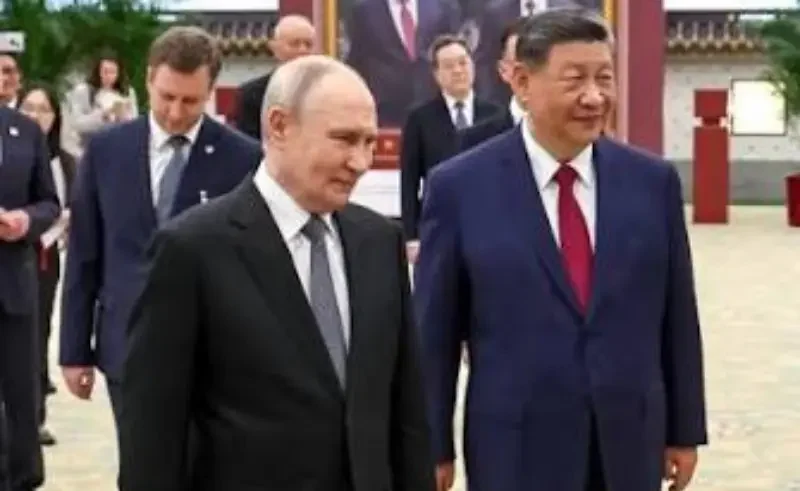
Washington’s efforts to keep diesel prices down in the wake of resurgent Russian fuel supplies illustrates a geopolitical paradox. China is still a big consumer of Russian energy, so President Trump’s deal with Vladimir Putin in October is welcome. A hard question is being posed by the China Russia Energy Ties debate: How can Washington work with Moscow when it is chiding Beijing for funding Russian exports?
China Russia Energy Ties Challenge Washington’s Strategy
Though the West’s sanctions have cut off China as a market for Russia’s crude oil, China is still their leading customer. Beijing’s buyers and sellers make it more difficult for the United States to manage Russian energy supplies. I would say that Washington can’t really talk the talk unless it walks the walk, which means it can’t make an effort to discourage Chinese purchases if it continues to increase its own.
Trump’s Russian Diesel Agreement Sparks Controversy
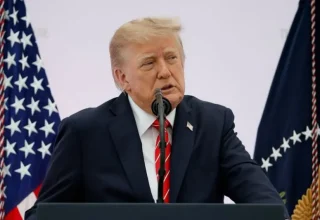
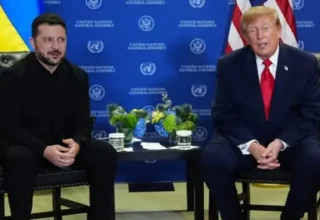
On October 9th, Trump announced an agreement with Russia for over 300,000 tonnes of Russian diesel for international markets, and more was in the works. His government briefly relaxed the restrictions this time to compensate for high fuel prices. But bipartisan opposition calls into doubt whether the deal is not furthering sanctions against Russia’s invasion of Ukraine.
Why Beijing Holds an Advantage in Energy Diplomacy
China has well-developed Russian supply routes, and the advantage of being able to negotiate deals based on its national interests. Changes in U.S. policy could give Beijing greater leverage in negotiations. However, China’s reliance on foreign energy sources also means that it has vulnerabilities, especially when it comes to changes in sanctions or the international shipping market.
Can Washington Balance Energy Prices and Sanctions?
A drop in diesel prices would have a positive impact for American consumers, transport companies and farmers. But experts doubt that Russia will be able to increase prices enough to make a difference. Washington should have a consistent policy that preserves the affordability of energy, but doesn’t diminish pressure on a negotiated settlement in Ukraine.
FAQs
Why does China buy Russian energy?
Russian oil and gas support China’s energy security, diversify its imports, and strengthen commercial relations with Moscow.
What is Trump’s Russian diesel agreement?
The October 2026 arrangement involves Russian diesel exports intended to ease international fuel prices, supported by temporary US sanctions relief.
Could the diesel agreement benefit Russia?
Additional energy revenue could support Russia’s economy, although the agreement’s overall financial impact remains uncertain.
Recommended Reads
Why Is Iran Shifting Toward Direct Deterrence?
How Does Gold Help Countries Resist Sanctions?
How Is China’s Navy Changing Indo-Pacific Power?
Could an Aircraft Carrier Change Indonesia’s Strategy?
How Is Georgia’s Political Debate Shaping Its Rivals?