









The Ueno Bank Collapse has caused millions of Paraguayan’s bank accounts to be frozen and has caused a situation of political turmoil.
The crisis escalated when it was revealed that the financial management of the banks was in a very fragile state, further deepening doubts on the nature of banking supervision, public deposits and political ties.
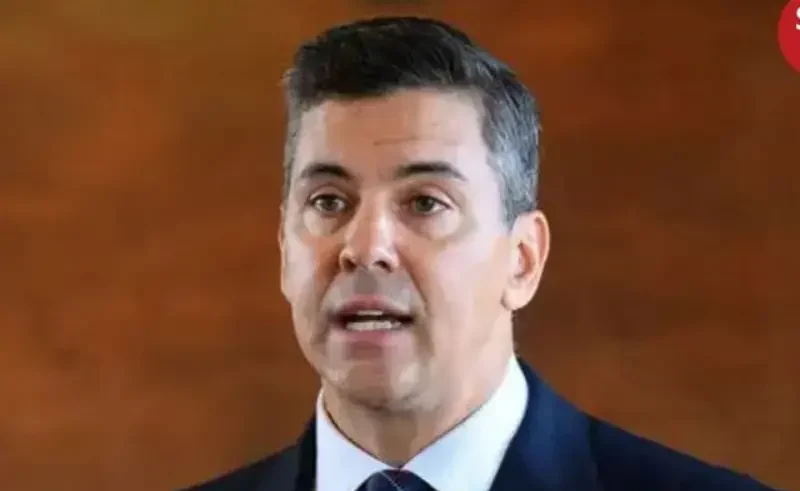
Financial misconduct can quickly turn into a national governance issue, as exemplified in the case of President Santiago Peña’s resignation and subsequent impeachment hearing.
Ueno Bank Collapse Exposes Serious Financial Weaknesses
Paraguay’s central bank began the resolution process on Nov. 3 with Ueno Bank’s solvency ratio dropping below half the minimum. Banco Central del Paraguay indicated measures of intervention for protection of depositors and to preserve financial stability.
Public Funds and Political Connections Raise Questions
Public deposits, including pension funds, reportedly amounting to more than $800 million were held by Ueno Bank. The previous business relationships of President Peña with the bank’s controlling group were put under a microscope. These connections must still be examined on their own, but not the mere political connection proves criminal wrongdoing.
President Peña’s Resignation Deepens Paraguay’s Political Crisis
Peña announced his resignation on Nov. 5, as protests grew more intense. While lawmakers, however, voted unanimously to move forward with impeachment, prosecutors started investigating alleged misconduct. The dispute is an example of the potential erosion of public trust in democratic institutions when there are perceived conflicts of interest.
Why Paraguay Needs Stronger Banking Oversight
The scandal highlights the risks associated with unsupervised, fast banking growth. The regulators need to provide clarity on the financial weaknesses that arose, and why the public funds continued to be vulnerable. To restore trust in Paraguay’s financial system, the investigations and their outcomes must be transparent, and depositors must be secured and institutions must be independent.
Recommended Reads
What Is Indonesia’s New Digital Tax?
How Can Members Apply for SSS LoanLite?
Who Qualifies for Thailand’s 10,000-Baht Payment?
Which Deals Are Shaping Asia’s Financial Markets?
How Do Cross-Border Digital Wallets Work?