









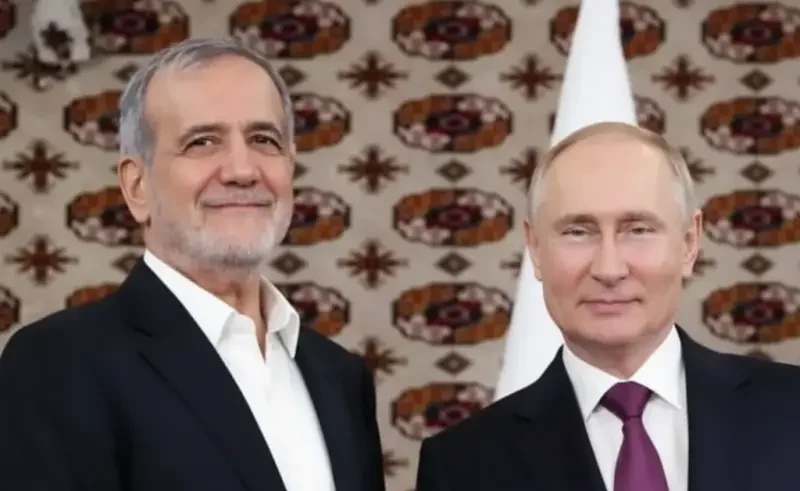
As regional tensions are changing the global geopolitical alliances, Russian President Vladimir Putin wants to ensure that Russia maintains its influence in the Middle East. Indeed, the growing collaboration between Russia and Iran offers diplomatic opportunities, but it also poses strategic challenges.
As the future of Russia Iran Diplomacy is increasingly coming to rely on the ability of Moscow to become an influential player in the arena of regional security talks with Tehran.
In January 2025, the two nations inked a strategic partnership agreement of 20 years, which deepened their collaboration in various sectors, including defence, trade, energy, and international affairs. But the pact is not a mutual defence pact.
Russia Iran Diplomacy Strengthens Moscow’s Regional Position
Russia’s strategic partnership with Iran affords Moscow a place at important regional discussions, including the nuclear negotiations and security. The deal deepens military and economic ties, Reuters reports. But more cooperation between the two countries does not guarantee influence over Tehran’s policies.
Putin Could Use Iran Relations to Expand Diplomatic Influence
Putin might be able to use Russia as a conduit between Iran and Western governments. Moscow also has ties with a number of regional powers, offering opportunities for discussion. However, the Carnegie Endowment points out that there are many restrictions with the partnership, especially on military commitments.
Russia Faces Competition and Credibility Challenges
Russia’s ongoing conflict in Ukraine impedes its diplomatic efforts and makes relations with western governments more difficult. At the same time, the Gulf nations have their own security relations. The German Marshall Fund suggests that Moscow’s sway in the region has been undermined because Middle Eastern leaders are diversifying their foreign relations.
Middle East Stability Requires More Than Strategic Alliances
Russia has the potential to play a stabilizing role in the region by promoting open communication between competing governments, nuclear issues and dialogue. But it takes trust among all participants for effective mediation. If Tehran is seen as being closer to Moscow than to the West, then any notion of neutrality may be undermined unless there is a credible diplomatic commitment.
Recommended Reads
Why Is Russia Engaging With Kabul and Islamabad?
Could Trump and Netanyahu Resume Strikes on Iran?
What Could a Saudi-Turkey Defence Pact Mean?
Why Is Iran Turning to Direct Deterrence?
Why Does the Kuril Islands Dispute Persist?