
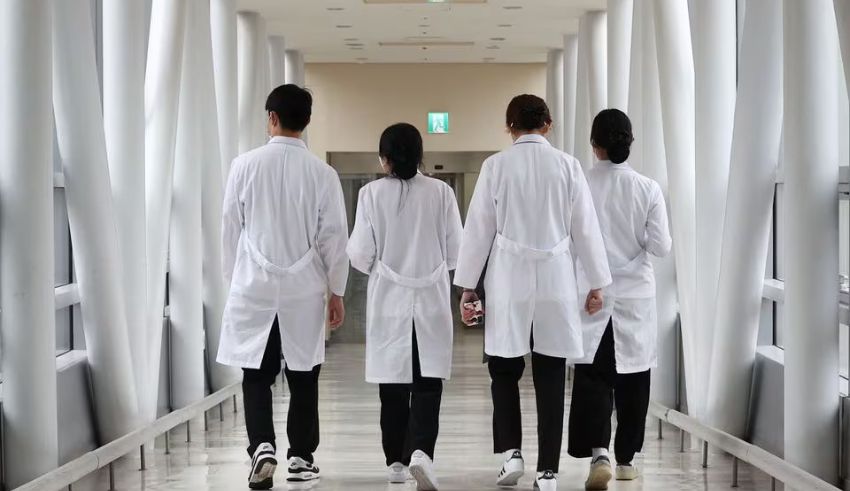
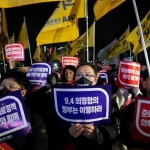
South Korea is facing a severe shortage of doctors, as thousands of trainee doctors have resigned en masse to protest the government’s plan to increase the number of medical students.
The mass resignations have caused disruptions and delays in the health care system, especially in the midst of the COVID-19 pandemic. The trainee doctors say they are overworked and underpaid, and that the government’s plan will worsen the quality and sustainability of the medical profession.
What is the government’s plan and why are trainee doctors opposing it?
The government’s plan, announced in February 2024, is to increase the number of students admitted to medical schools by 4,000 over the next 10 years, starting from 2025. The government says the plan is necessary to address the expected shortage of 15,000 doctors by 2035, due to the aging population, the uneven distribution of doctors across regions and specialties, and the increasing demand for health care services.
The trainee doctors, who are interns and residents in hospitals, are opposing the government’s plan, saying that it will not solve the root causes of the doctor shortage, but rather create more problems and burdens for the existing doctors. The trainee doctors argue that:
- The government’s plan is based on inaccurate and outdated data, and that there is no actual shortage of doctors in South Korea, but rather a surplus of doctors in some areas and a lack of doctors in others. The trainee doctors say that the government should focus on improving the working conditions and incentives for doctors to work in rural and remote areas, and in essential but low-paying specialties, such as family medicine, emergency medicine, and psychiatry.
- The government’s plan will lower the quality and competitiveness of the medical education and profession, and that it will lead to a decline in the standards and outcomes of the health care system. The trainee doctors say that the government should focus on enhancing the quality and efficiency of the medical training and practice, and on ensuring the autonomy and accountability of the medical profession.
- The government’s plan will increase the workload and stress of the trainee doctors, who are already suffering from long hours, low pay, and high pressure. The trainee doctors say that the government should focus on reducing the working hours and improving the welfare and rights of the trainee doctors, and on providing more support and resources for the health care system.
Keep Reading

Impacts and consequences of the mass resignations
The mass resignations of trainee doctors, which began on February 19, 2024, have had significant impacts and consequences for the health care system and the society, such as:
- Disruptions and delays in the health care services: The mass resignations of trainee doctors have caused disruptions and delays in the health care services, especially in the major hospitals and in the critical departments, such as surgery, intensive care, and emergency. The mass resignations have also affected the COVID-19 response and vaccination program, as the trainee doctors play a vital role in testing, treating, and vaccinating the patients and the public.
- Conflicts and divisions in the medical community: The mass resignations of trainee doctors have caused conflicts and divisions in the medical community, as the trainee doctors have clashed with the senior doctors, the medical associations, and the government. The senior doctors have criticized the trainee doctors for abandoning their duties and jeopardizing the patients’ lives, and have urged them to return to work. The medical associations have expressed their sympathy and support for the trainee doctors, but have also called for dialogue and compromise with the government. The government has condemned the trainee doctors for their illegal and irresponsible actions, and has ordered them to resume their work or face legal and disciplinary actions.
- Protests and debates in the society: The mass resignations of trainee doctors have sparked protests and debates in the society, as the public and the media have reacted differently to the issue. Some people have expressed their solidarity and appreciation for the trainee doctors, and have joined their rallies and petitions to demand the government to withdraw its plan and to improve the trainee doctors’ conditions. Some people have expressed their anger and disappointment with the trainee doctors, and have accused them of being selfish and greedy, and of neglecting their oath and ethics. Some people have expressed their confusion and concern about the issue, and have called for more information and explanation from the government and the trainee doctors.
South Korea is facing a doctorless crisis, as thousands of trainee doctors have resigned en masse to protest the government’s plan to increase the number of medical students. The mass resignations have caused disruptions and delays in the healthcare system, especially in the midst of the COVID-19 pandemic.
The trainee doctors say they are overworked and underpaid, and that the government’s plan will worsen the quality and sustainability of the medical profession. The government says the plan is necessary to address the expected shortage of 15,000 doctors by 2035, due to the aging population, the uneven distribution of doctors across regions and specialties, and the increasing demand for health care services. The mass resignations have also caused conflicts and divisions in the medical community, and protests and debates in the society, as the issue has become a source of controversy and contention.