
The energetic archipelago country of Indonesia reflects in its traditional games a great cultural legacy. Often handed down through generations, these games encourage not only leisure but also social connection, creativity, and physical exercise by means of fun. Let’s investigate some of Indonesia’s most cherished traditional games and enter this realm of imagination.
Simple Pleasures: Games needing little tools
Hide-and-seek, Petak Umpet, is one of the easiest but most popular traditional games played in Indonesia. Children all around adore this ageless classic, which calls neither certain tools or equipment. One person, assigned the “seeker,” covers their eyes and counts aloud in this game while the other players hide. The hiders want to get to a specific “home base” free from the seeker’s sight. The first hider to do so advances through the rounds. As kids discover the ideal hiding places in this game, it stimulates not only strategic thinking but also physical exercise. Petak Umpet appeals universally because of its simplicity and the delight of active learning.
A hand-clapping game with a rhythmic chant in Bahasa Indonesia, Hom Pim Pa is another well-liked game needing little equipment. Clapping their hands and shouting the rhyme together, players circle one another. Players make specified hand gestures at the end of the rhyme; those who match a given motion are kicked off the game. Apart from testing memory and coordination, this energetic and interesting game provides children with a joyful approach to engage and strengthen their link. Hom Pim Pa is a beloved among children as its cheerful companionship is created by its rhythm and rhyme.
Another brisk and interesting traditional game is Ular Naga Panjang, sometimes known as “Long Dragon Snake. In this game, players link hands to create a long, serpentine chain. One player is assigned the “head” of the snake, another the “tail.” The head’s goal is to grab the tail while the chain negotiates several hurdles. This game calls for agility, coordination, and teamwork as well as superb sense of balance. Children running and giggling, trying to hide from being caught, is evidence of how well the game makes fun and strengthens social ties.
Related Posts



Twist Games Using Common Objects
Usually shells or seeds, Congklak—known as Mancala in other areas of the world—is a traditional Indonesian strategic game using a wooden board with small pits and counter. Aiming to capture the most from their opponent, players alternate in shifting the counters across the board. Since every action in the game can dramatically affect the result, it calls for strategic thought and meticulous planning. Congklak varies in Indonesia, each has particular customs and cultural value. The game is a means of connecting with cultural legacy and history as much as a test of intelligence.
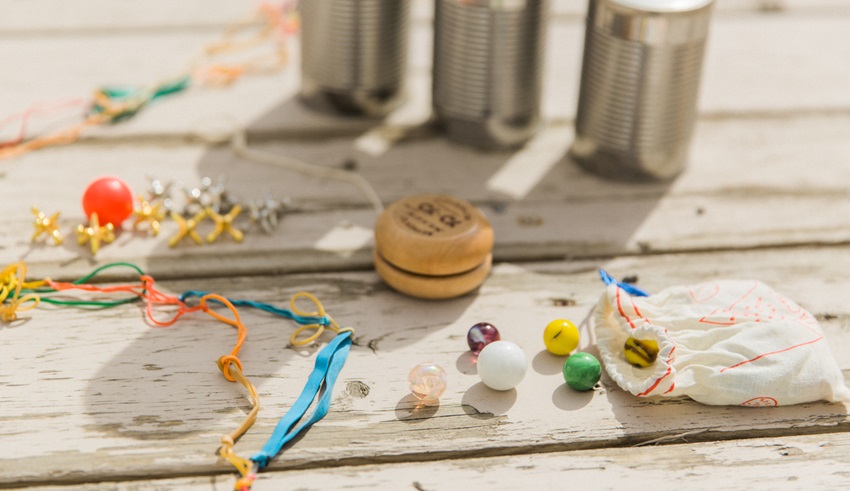
Popular childhood game Kelereng, sometimes known as marbles, uses tiny glass or clay marbles. Aiming to knock their opponent’s marbles out of a specified circle, the players alternately fluck their marbles. This game evaluates players’ accuracy, dexterity, and aiming range. For many Indonesian children, playing Kelereng is a rite of passage and a competitive and enjoyable means to improve strategic thinking and hand-eye coordination. A shared experience spanning generations is the delight of seeing a marble effectively knock another out of the circle.
Another ancient hobby using common items is Layang-Layang, or kite flying. Particularly in the windy seasons, making vibrant and complex kites from bamboo and paper is a common hobby. Layang-Layang contests are communal affairs highlighting artistic ability and deft handling. Participants take great satisfaction in their handcrafted kites, and the sight of vivid kites flying in the heavens is evidence of the joy and workmanship ingrained in this heritage. Flying a kite is a cultural expression and a means of communing with the surroundings and the society, not only a hobby.
Cultural Worth and Community Energy
These ancient games are an important component of Indonesia’s cultural legacy and not only hobbies. They have cultural value since they help to preserve customs for next generations and strengthen community feeling. Playing these games helps Indonesians to keep a shared cultural memory, connect with their roots, and transmit values. Both in rural and metropolitan environments, these activities give adults and children a means of bonding, learning, and participating in constructive rivalry. They provide a respite from the digital sphere and support outside play and socializing.
Accepting Custom Today
These ancient games provide a welcome return to basic, but significant pleasures in the fast-paced world of today, where technology sometimes rules leisure activities. Schools and community organizations all throughout Indonesia keep teaching and encouraging these activities to make sure they stay a colorful thread in the fabric of the country. Along with entertainment value, these games teach teamwork, strategy, and cultural awareness.
Seeing the Future
The need of conserving and appreciating ancient games gets even more crucial as the world evolves. Maintaining these games helps Indonesia to guarantee that its rich cultural legacy is passed on to next generations. These games are living traditions rather than artifacts from the past that still make people happy and strengthen bonds among individuals of all ages. When you next visit Indonesia, think about participating in a game or learning more about these lighthearted windows into the nation’s rich legacy. Whether it’s the strategic maneuvers in Congklak, the physical agility in Ular Naga Panjang, or the creative inventiveness in Layang-Layang, Indonesia’s traditional games offer a wonderful means to interact with the culture and society.