
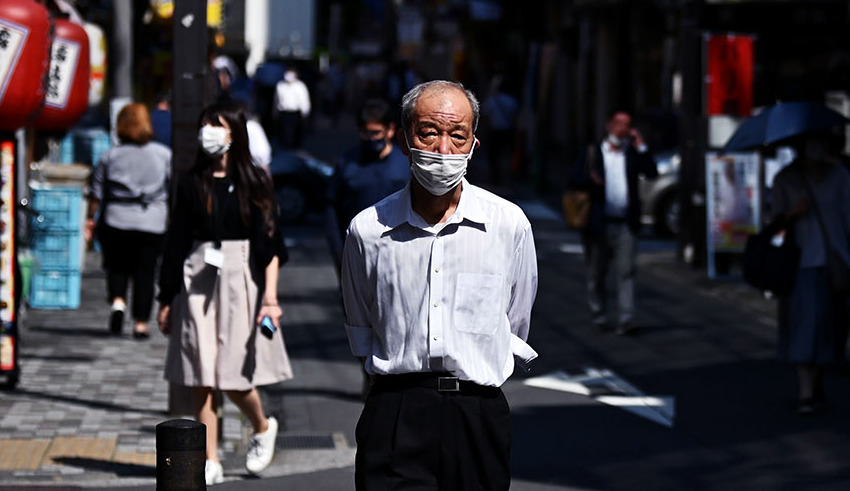
As a consequence of its rapidly aging population, Japan is facing a demographic crisis, which has resulted in a labor shortage in a range of sectors. To meet the labor need, the government has begun to accept foreign workers. The question is, will they answer the call?
As a result of the country’s aging population, Japan’s workforce has diminished, resulting in severe economic and social effects. To mitigate the impact of changing demographics, the Japanese government has employed foreign workers to fill job openings in industries such as healthcare, construction, and hospitality.
The modified immigration legislation, which includes new visa categories and loosened various limits for foreign employees, is one of the primary measures in addressing this problem. These policies are intended to make it simpler for foreigners to come to Japan and work, increasing their possibilities of contributing to the labor force.
While the government’s attempts to recruit foreign labor are commendable, certain obstacles must be overcome. Foreign employees may struggle to assimilate into Japanese culture and businesses due to language and cultural difficulties. Furthermore, the typical work culture and lengthy working hours in Japan may fall short of the expectations of prospective international employees.
Keep Reading



Many foreign employees are concerned about job security and workplace equity. Some are afraid that workers from other countries will be mistreated or treated unjustly at work. To recruit and retain international talent, it is vital to provide fair treatment, sufficient salary, and suitable working conditions.
Furthermore, Japan’s strict immigration restrictions and the notion of a homogenous culture may discourage prospective foreign employees. It is critical to create a friendly and inclusive workplace, as well as extensive support services, when attracting qualified people from outside sources.
Despite these hurdles, there have been cases of foreign people successfully integrating into the Japanese workforce and making substantial contributions. Many overseas employees provide a wide range of talents, knowledge, and experiences to the economy and society at large.
In order to attract more foreign workers, Japan must provide attractive living circumstances and support networks in addition to career prospects. Japan may attract more foreign visitors if it offers language training and cultural orientation programs, as well as access to healthcare, education, and social services.
Finally, due to Japan’s aging population, there is an urgent need for foreign employees to cover critical labor shortages. While the government has implemented rules to attract foreign talent, there are still challenges with integration, job security, and image. Japan may boost its chances of hiring and retaining foreign personnel by cultivating a pleasant environment and providing required support, therefore preserving its economy and society in the face of demographic shift.