









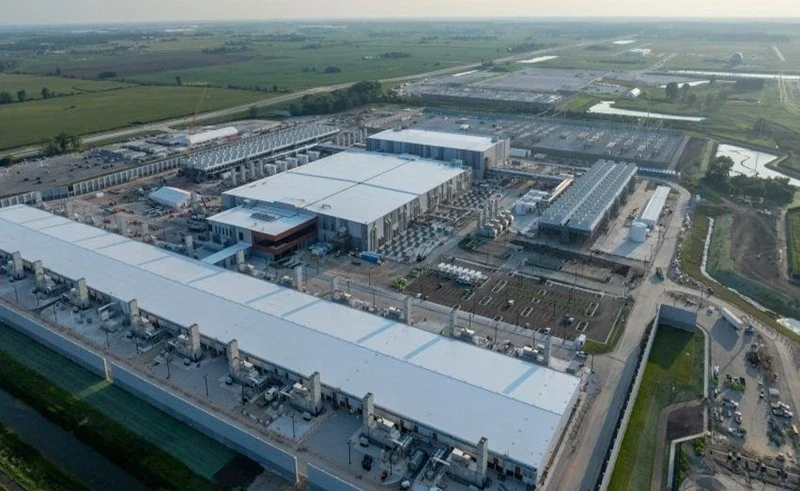
As AI technology continues to develop and grow in scale, it puts a strain on a variety of energy grids, water systems and communities. While grid expansion and community incentives are the practical solutions that manage these challenges, they can’t compensate for the complete environmental impact of AI infrastructure.
The main concern is whether such action can strike a balance between the economic value and the environmental cost of digital development. They can help to lower local pressure but a wider approach is required to reduce emissions, use of resources and changes in land uses.
How Grid Expansion Can Reduce Pressure?
The growth of these transmission systems could accommodate a growing electricity demand by the AI data centres. The potential for decreased electricity shortages during peak demand, renewable energy integration and mitigation of bottlenecks through improved infrastructure.
The flexibility of data centres can also help to ensure the stability of the power grid. Moving the workload to off-peak times helps relieve the strain of the load at the time of peak demand, as long as applications are flexible about the time of day and there’s enough to cover load.
But making electricity ‘cleaner’ is not necessarily achieved by expanding the grid. When coal or natural gas generation fills extra needs, the infrastructure created could further the reliance on fossil fuels.
Community Incentives Offer Local Benefits
Tax revenues, construction work, jobs can be created within large data centres. Businesses can also contribute to the community by providing education awards, investments in infrastructure, and local energy investments such as renewable resources and distribution systems.
These contributions can be beneficial to residents in realizing economic value to the territory. Public services and microgrid investments can also bolster local resilience.
However, no monetary or other payment remedies the lost groundwater, the lost farmland or the higher emissions that occur in the region as a whole. Community agreements must not be used as a substitute for environmental safeguards, and must be aligned with these environmental safeguards as they are described and enforced.
Environmental Costs Extend Beyond Electricity
The use of water is still a big issue, especially in water scarce areas. Cooling systems use significant water resources which may be in competition with domestic, agricultural and industrial uses.
Indirect environmental costs of AI infrastructure are also present. Advanced processors and servers, and other components, need energy, materials, and complex supply chains for such manufacture. Data centre campuses and infrastructure takes an additional sustainability toll on ecosystems.
This impact will not be able to be solved only with upgrades in the electricity grid or just with a community benefit package.
More AI stories to explore
How is AI reshaping Malaysia’s digital future?
Find Malaysia’s AI roadmap and digital transformation.
What could shape UAE-US AI ties?
Explore the future of their AI partnership.
Which AI image tools stand out?
Check out popular AI image generators.
How will AI change online dating?
See how AI could transform dating platforms.
What’s driving AI expansion worldwide?
Look into plans shaping AI’s rapid growth.
Broader Strategy for Sustainable AI
Grid expansion and community incentives need to be considered as part of the responsible data centre development and not a cure-all. Other water-saving strategies, such as water-efficient cooling, clear accounting and more effective action on carbon emissions, should also be implemented by operators.
Matching electricity use with carbon-free electricity on an hour by hour basis can help its uptake in relation with cleaner generation. Advances in the performance of the chips themselves, as well as software optimisation and the utilization of computing resources further reduce the resources needed to perform AI workloads.
Finally, the sustainability of AI depends on accountability throughout the AI infrastructure life cycle. In a digital age, governments, technology companies and communities must make sure that growth does not transfer costs to future generations, or local communities.
FAQs
Is there any way to get rid of the environmental footprint of AI data centres by expanding the grid?
No, adding more grids can increase the reliability of electricity service and support cleaner power generation, but it does not necessarily address water use issues or land-use impacts or hardware emissions.
What benefits do communities derive from community incentives?
Community incentives can be offered to provide funds for tax revenue, employment, education, and infrastructure such as improved facilities, support for local energy projects.
Why is water usage an issue?
Data centres can exert pressure on water supplies, particularly when the area is water scarce and communities and agricultural activity are competing for water.