
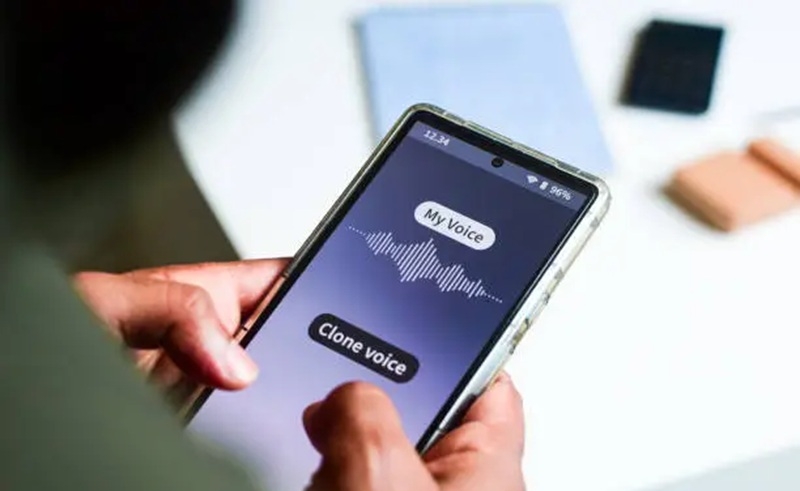
The Asian music market — home to K-pop, Bollywood, and dynamic regional pop — is facing a powerful new disruption: AI Voice Cloning. It is a rapidly developing technology, and anybody can copy the voice of a singer with an exceptional level of precision and compose absolutely new songs, covers, or viral content. Artists and labels are alarmed, whereas fans and creators are excited. Asia has not yet fully kept pace with the legal systems and offers a grey space in terms of ownership and creative rights. As seen in other digital challenges like BLT 900K Verification Failures, The question is rising louder as the number of unauthorized records increases online: Who owns the voice? This is the new dispute in the field of Asian music copyright.
Stars Are Losing Control of their Voices due to AI Voice Cloning
AI Voice Cloning enables voice reproduction so realistic that listeners can barely detect differences. Popular Asian artists – Korean idols, Japanese anime singers, Indian playback legends, etc., are afraid of being misused, robbed of their identity, and damaged. Deepfakes, offensive lyrics, or fake duets can ruin careers in a single night. Artists are requiring legal safeguards to consider their voice as property.
Covers by Unlicensed AI Are Going Viral
Music created by fans through AI-created vocals is trending all over YouTube, TikTok, and local channels. These AIs earn millions of streams – without labels getting payment or acceptance. Asian music companies argue that AI Voice Cloning amplifies piracy to a whole new degree, making enforcement much harder than traditional copyright issues.
Absence of Transparent Copyright Laws in Asia
A majority of Asian nations have yet to include a cloned voice as intellectual property. This loophole will permit anyone to post AI-generated content. Lawyers and rights groups are pushing to update copyright rules so that AI Voice Cloning requires artist consent and fair royalties, just like traditional recordings.
Tech Giants and Record Labels are in Lawsuits.
AI firms that create searchable voice platforms are getting into conflicts with large local studios. Who is the owner of a list of vocal samples – the site that was trained or the singer that donated it? This fight is boiling up in the largest music economies of Asia, such as South Korea, India, and China.
The Future can be licensed and introduce new creative models.
Despite the chaos, AI Voice Cloning could unlock new business opportunities: posthumous performances, multilingual releases, personalized music, and licensing agreements where artists profit. The industry leaders in Asia opine that the way forward is a balanced ecosystem, which is creativity with consent.
Disclaimer: Stay updated with the lastest news, from politics to business trends, while also catching up on the lastest news in sports covering matches, scores, and tournaments. Explore the latest news in entertainment with celebrity updates, movies, and shows, and don’t miss the latest news in games, featuring trending releases and esports highlights.