
On January 28, 2024, a drone strike targeted a US military base in Iraq, killing two American soldiers and wounding five others. The attack was claimed by a Shia militia group called Kataib Hezbollah, which is backed by Iran. The US accused Iran of providing the drones and the guidance systems to the group, and vowed to hold Tehran accountable for the “outrageous and unacceptable” act of aggression.
The Dilemma
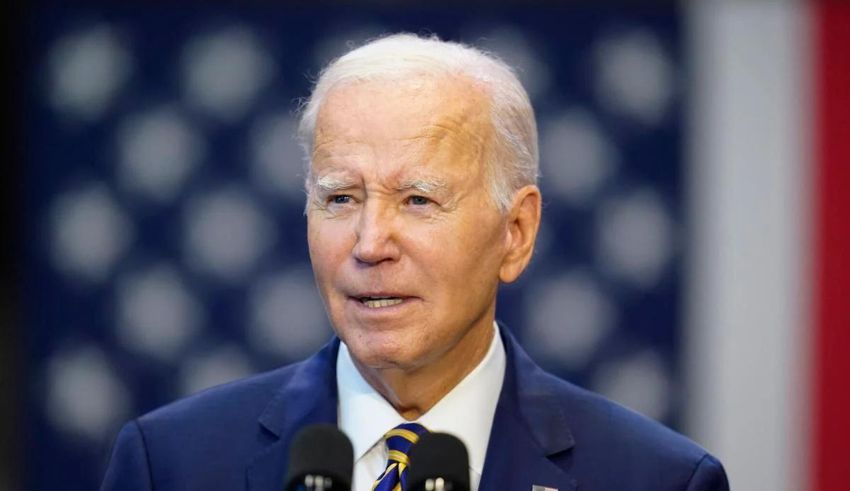
The drone strike poses a serious challenge for President Joe Biden, who has been trying to revive the 2015 nuclear deal with Iran, which was abandoned by his predecessor Donald Trump in 2018. The deal, formally known as the Joint Comprehensive Plan of Action (JCPOA), aimed to limit Iran’s nuclear activities in exchange for sanctions relief. However, after the US withdrawal and the reimposition of sanctions, Iran gradually breached the deal’s limits on uranium enrichment and other nuclear activities, bringing it closer to the threshold of developing a nuclear weapon.
Biden has expressed his willingness to rejoin the deal if Iran returns to full compliance, and has appointed a special envoy, Robert Malley, to negotiate with Iran and other parties to the deal, namely Britain, France, Germany, Russia, and China. However, Iran has demanded that the US lift all sanctions first before it reverses its nuclear steps, creating a stalemate in the diplomatic efforts.
The drone strike complicates the situation further, as it raises the pressure on Biden to respond militarily to Iran and its proxies, which could escalate the tensions and jeopardize the prospects of reviving the deal. On the other hand, if Biden refrains from retaliating, he could face criticism from his domestic opponents and some of his allies in the region, such as Israel and Saudi Arabia, who are wary of Iran’s nuclear ambitions and regional influence.
Keep Reading


The Options
Biden has several options to deal with the crisis, each with its own risks and benefits. Some of the possible options are:
- Option 1: Launch a limited strike against Iran or its proxies. This option would aim to deter further attacks and send a message that the US will not tolerate Iran’s aggression. However, this option could also provoke a counterattack from Iran or its allies, leading to a cycle of violence that could spiral out of control. Moreover, this option could undermine the trust and goodwill needed for a diplomatic solution, and could alienate some of the other parties to the deal who favor dialogue over confrontation.
- Option 2: Impose new sanctions on Iran or its proxies. This option would aim to increase the economic pressure on Iran and its supporters, and to isolate them from the international community. However, this option could also backfire, as it could harden Iran’s stance and reduce its incentive to negotiate. Furthermore, this option could face resistance from some of the other parties to the deal who oppose further sanctions and want to preserve the existing deal.
- Option 3: Resume the talks with Iran and offer some sanctions relief. This option would aim to de-escalate the situation and create a positive atmosphere for dialogue. However, this option could also be seen as a sign of weakness and appeasement, and could embolden Iran to continue its attacks and its nuclear activities. Additionally, this option could face opposition from some of the US allies and lawmakers who distrust Iran and want to maintain the maximum pressure campaign.
- Option 4: Do nothing and wait for Iran to make the first move. This option would aim to avoid any rash actions and to preserve the status quo. However, this option could also be interpreted as a lack of resolve and leadership, and could encourage Iran to escalate its attacks and its nuclear activities. Moreover, this option could waste the opportunity to seize the momentum and to break the deadlock in the negotiations.
The Decision
Biden has not yet announced his decision on how to respond to the drone strike, but he has said that he is consulting with his national security team and his allies on the best course of action.
He has also reiterated his commitment to prevent Iran from acquiring a nuclear weapon, and his readiness to engage in diplomacy if Iran shows seriousness and flexibility. Whatever decision he makes, he will have to weigh the costs and benefits carefully, and to balance his dual objectives of restoring the nuclear deal and deterring Iran’s aggression.