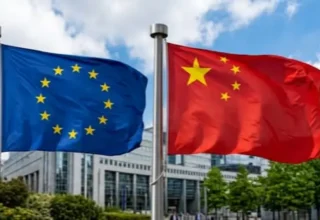










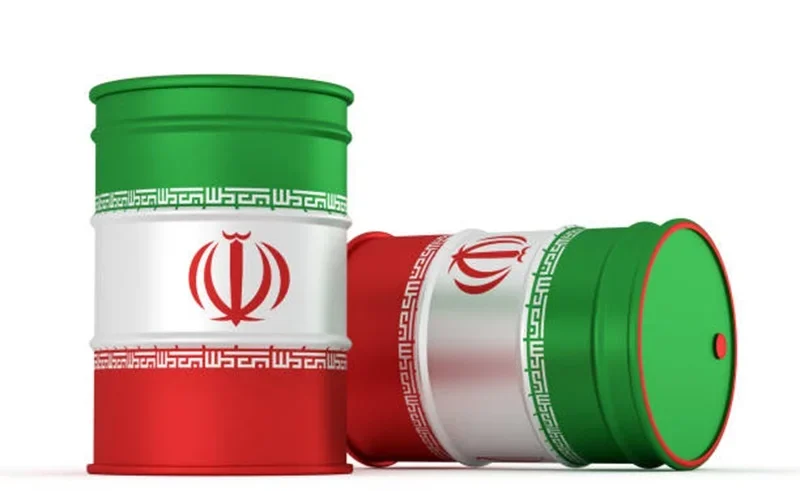
The U.S. pressuring China and others buying Iranian oil, is up the ante in global energy talks. Iranian seaborne crude continues to be the top market for Chinese imports, and Washington is now threatening ‘secondary sanctions’ against companies, banks, and shipping firms that move Iranian crude.
China’s interest lies with the curbing of Tehran’s oil supply, but that isn’t a decision Beijing has taken lightly. This is the matter of balancing energy security with interests, financial risk and exposure with broader strategic competition with Washington.
Why Does China Continue Buying Iranian Oil?
Many Iran’s crude which enter China are processed by independent refiners that are also referred to as “teapots”, and are especially present in Shandong region. Such companies are less exposed to the West’s financial markets than the biggest state owned energy companies in China.
The first reason is that Iranian crude availability is also a sell-off that, in most cases, is done at a discount to international benchmarks. Cheaper crude oil is good for the smaller end of the refinery business that is competitive as it boosts margins and gives a good quality source of low-cost energy.
Another one of the considerations in such transactions would be their financial structures. Iran will no longer have to rely on the U.S.-led financial system when it comes to oil trade and instead will make use of non-dollar settlements and other financial platforms.
Where US Secondary Sanctions Could Hurt Beijing?
The most pressing U.S. spot is the economy. While Washington’s additional measures are a tough decision for Beijing between, possibly, protecting the flow of Iran’s oil or bringing Beijing’s international relations with other nations into disrepute.
Iran has increasingly used complex maritime trade networks, such as vessels that are not very transparent. Improved oversight of these supply chains would heighten the cost of moving Iranian crude, as well as shipping costs and insurance premiums.
The broader U.S.-China economic interactions also play a role. Beijing must weigh the risks and opportunities of conditioning gas supply security on Iran’s buying power when trade with its nuclear rival is still so vital for their respective countries.
Will China Actually Cut Iranian Imports?
The above description of the dynamics suggests that a complete cutoff is unlikely. Smaller independent refiners are less vulnerable internationally than China’s biggest state-owned energy companies, which face a greater chance of being exposed to Western sanctions.
This might result in a dual reaction. Formal trade channels may be more wary, and the private refiners can still buy this way. Beijing might desert the Big Boy without outright excluding Iranian crude from the Chinese market.
China Has Options Beyond Direct Defiance
Embracing other payment options may be another Beijing response, as will expanding settlements other than in dollars and arranging new trade options that lessen the impact of financial pressure from the U.S.
Diplomatic negotiations are also a potential solution. China might make “calibrated” changes to its orders for Iranian oil, in return for greater concessions by Washington on trade, hikes in tariffs or other economic problems. This would let Beijing evade a clash and maintain its energy supply in Iran at low cost.
Trade Shifts Are Reshaping Global Commerce
Can UAE India Trade Go Further?
Check out how both countries plan rupee-based non-oil trade.
Why Is UAE Trade Changing?
Find out how record trade signals a major shift.
What Caused the Palm Oil Disaster?
Uncover why the trade minister was dismissed.
How Did UAE-Iran Trade Halt?
Browse the impact of sanctions on regional supply chains.
Could US Pressure Disrupt Asian Energy?
See how Iranian oil restrictions could affect Asian imports.
Bigger Issue Is Strategic Autonomy
The Iran oil crisis is much more than a crude problem. It carries an assessment of Beijing’s ability to use world financial markets to assist or hinder the choices Washington is making in commerce with China.
Beijing meets all U.S. desires, it risks becoming a country that is “strategically strapped” to Washington. But full compliance with the sanctions could run the risk of exposing major financial institutions and international businesses to significant risks, if they are not adhered to.
So the most likely scenario is controlled resistance instead of defiant resistance. China will probably safeguard its energy investments and keep its biggest banks, and state-owned companies from taking a lot on.
The result will depend on how literally Washington will stick to the secondary sanctions and how well Beijing will succeed in diversifying its financial and logistics lines. For Iran, Iranian oil is another litmus test of who has the upper hand in the game of economic interdependence in the international community; for others, Iranian oil is another test of the degree to which they are losing economic control.
FAQs
Why is China still importing Iranian oil?
China gets reduced-cost Iranian crude and refiners outside of China can find other financing solutions which minimize their exposure to U.S. sanctions.
Will the Chinese national oil companies continue to trade Iranian oil?
They are under even more pressure to restrict direct exposure as sanctions may impact their business in other countries and their access to international capital markets.
What do secondary sanctions mean?
Under the secondary sanctions, the United States imposes sanctions on foreign businesses or financial firms who do the following deals with sanctioned businesses.