

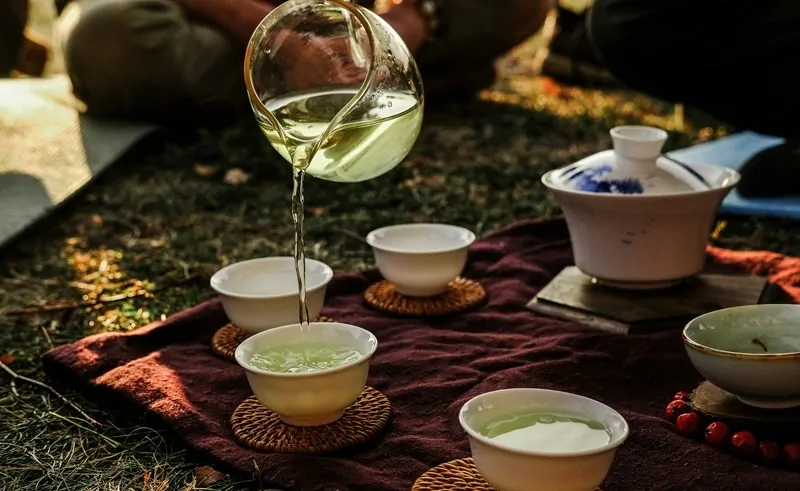
Across Asia, mornings often begin with a pot of something herbal, turmeric milk in India, chrysanthemum tea in China, or ginseng brew in Korea. These aren’t fancy health trends; they’re old habits still living quietly in modern homes. The smell of roots, leaves, and spices fills kitchens where families trust nature before medicine. That’s how it’s been, and maybe that’s why it still works.
Many are now searching for the traditional herbal beverages market in Asia and home-based health remedies gaining popularity as demand climbs again. For context, see how regional tea industries are under pressure in reports such as the wage hike backlash in Sri Lanka’s tea sector.
Popular Herbal Drinks Across Asia
| Country | Drink | Main Ingredient | Common Use | Everyday Note |
| India | Haldi Doodh | Turmeric | Immunity | Drunk before bed |
| China | Chrysanthemum Tea | Dried flowers | Cooling | Served in summer |
| Japan | Matcha | Green tea leaves | Detox | Used in ceremonies |
| Thailand | Lemongrass Tea | Lemongrass | Digestion | After meals |
| Indonesia | Jamu | Turmeric, ginger | Joint pain | Sold by vendors |
| Korea | Ginseng Tea | Ginseng root | Energy | Gifted to elders |
| Vietnam | Artichoke Tea | Artichoke leaves | Liver health | Street drink |
| Sri Lanka | Gotu Kola Juice | Gotu kola | Brain focus | Morning drink |
| Malaysia | Tongkat Ali | Eurycoma longifolia | Strength | Men’s tonic |
| Philippines | Salabat | Ginger | Sore throat | Cold remedy |
Herbal Drinks and Natural Remedies in Asian Homes
Herbal remedies have always had a place in Asian kitchens. Some come from a grandmother’s cupboard, some from street vendors. They smell sharp, earthy, sometimes bitter. Yet every sip tells a small story, of patience, of trust in slow healing.
- Turmeric Milk (India): The golden drink most Indians grew up with. Mixed with pepper, it’s taken before sleep. Some even say it helps heal small injuries faster. Maybe they’re right.
- Ginseng Tea (Korea): Slightly bitter at first, then warm and calming. It’s often prepared for someone exhausted after work. Old homes still keep a jar of ginseng slices just for that reason.
- Lemongrass Tea (Thailand): Fresh, sharp, citrus scent that cuts through heat. Locals sip it after spicy meals to cool the body. Easy to make, easier to enjoy.
- Chrysanthemum Tea (China): Light yellow, slightly sweet. People keep it ready during hot afternoons. It’s said to calm the eyes after long screen hours now.
- Jamu (Indonesia): Made early morning with turmeric, tamarind, and honey. Sold in bottles from small stalls. It’s more about habit than taste, though some claim it keeps flu away.
- Matcha (Japan): Thick, green, and slow to drink. The process itself feels meditative. Not just for ceremony anymore, people whisk it daily for calm energy.
- Gotu Kola Juice (Sri Lanka): Slightly bitter, yet refreshing when cold. Villagers drink it to improve focus or simply because it feels grounding.
- Artichoke Tea (Vietnam): Common at roadside stalls. Cool, earthy flavor said to clean the system after heavy meals. Locals drink it like iced tea.
- Tongkat Ali (Malaysia): Strong taste, not for everyone. But believed to build stamina and strength. Most people take it weekly, not daily.
- Salabat (Philippines): When someone sneezes, this is the first thing brewed. Fresh ginger boiled with honey. The scent itself feels comforting.
The Changing Face of Traditional Remedies
These home brews once seen as old-fashioned are now packed in modern bottles. Health cafes in Tokyo, Manila, and Bangkok sell them beside smoothies. Some come in powdered sachets, ready in seconds. Still, the taste of old ways remains.
Small farmers growing turmeric or lemongrass are seeing better days. Urban buyers now order directly from villages through online markets. It’s a quiet revival, built on everyday trust rather than glossy campaigns.
Even younger families have started replacing soft drinks with herbal alternatives. A cup of ginseng tea instead of soda. Maybe that’s how small changes begin, without slogans, just quiet choices at home.
From Heirlooms to Daily Habits
Old recipes, new respect. Herbal drinks have turned from remedies to lifestyle choices. Their simplicity fits modern life, quick to make, easy to store, and backed by centuries of use. Each sip connects old kitchens to new homes across Asia.
That’s how culture survives sometimes, not through festivals or speeches, but through what we drink every day.
Frequently Asked Questions
1. Why are herbal drinks becoming popular again in Asia?
People prefer natural cures for small illnesses. It feels safer and easy to make at home.
2. Which herbal drink do most Asian families keep ready?
Turmeric milk and ginger tea are most common for colds, cough, and fatigue.
3. Are herbal remedies safe for everyone?
Mostly yes, but people with allergies or specific conditions should ask a doctor.
4. Do these drinks help in daily wellness?
Many improve digestion, sleep, or immunity when taken regularly.5. Are herbal drinks available commercially now?
Yes, bottled and powdered forms are now sold in supermarkets and online stores.
Disclaimer: Stay updated with the lastest news, from politics to business trends, while also catching up on the lastest news in sports covering matches, scores, and tournaments. Explore the latest news in entertainment with celebrity updates, movies, and shows, and don’t miss the latest news in games, featuring trending releases and esports highlights.