
The geopolitical landscape of the South China Sea is a barometer of regional stability, where the slightest shift can lead to a storm. The recent involvement of the United States in the Sino-Philippine tensions has turned this barometer’s needle towards a more volatile reading.
The South China Sea, a nexus of strategic interests and territorial claims, has long been a source of tension between China and the Philippines. The US, with its defense treaty obligations to the Philippines, has recently taken a more pronounced stance in the region, raising the stakes and the temperature of the ongoing disputes
A Delicate Balance
The Philippines, a nation with a rich history of strategic alliances, finds itself at a crossroads as the tides of Chinese assertiveness and American defense commitments converge upon its shores. With the US reasserting its military presence in the region, the Philippines’ strategic location has become even more significant.
Historically, the Philippines has maintained a delicate balance between fostering relations with China and honoring its defense treaty with the United States. However, recent events have seen the Philippines sidling up to the US, a move that reflects the mounting conflict with a long history.
Keep Reading

The Catalyst of Conflict
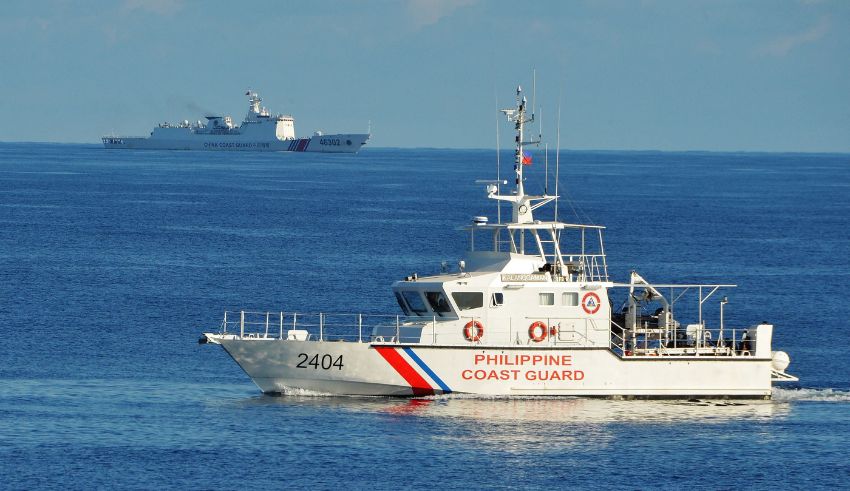
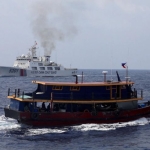
Incidents such as the collision between Chinese and Philippine vessels near the disputed Second Thomas Shoal have brought the simmering tensions to the forefront. These confrontations underscore the potential for escalation and the precarious position of the Philippines as it navigates the demands of sovereignty and the realities of regional power dynamics.
The Philippines’ geographic proximity to Taiwan and the contested waters of the South China Sea makes it a strategic focal point for both US and Chinese interests. As tensions grow between the US and China, the Philippines’ choices and actions will have significant implications for the balance of power in the region.
As the situation evolves, the Philippines, China, and the United States continue to maneuver within a web of diplomatic challenges and military strategies. The intensity of these tensions not only shapes the political landscape but also sets the tone for the future of international relations in the Asia-Pacific region.