

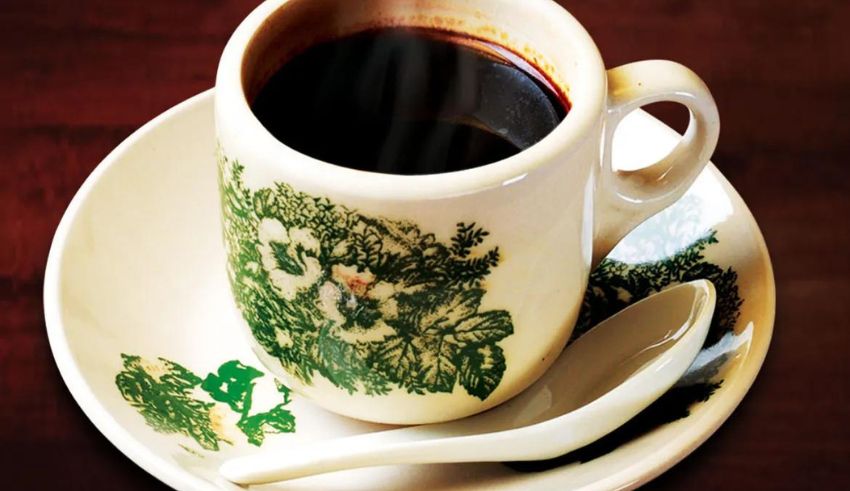
Singapore is a nation of coffee lovers, but not the kind you might expect. Instead of fancy lattes and cappuccinos, most Singaporeans prefer their coffee the traditional way: brewed with a sock filter, sweetened with condensed milk, and served in a kopitiam, or coffee shop.
Kopitiam is a Malay word that combines kopi, meaning coffee, and tiam, meaning shop. These humble establishments are more than just places to get a caffeine fix.
They are also social hubs where people of different races, religions, and backgrounds can mingle and enjoy a variety of local dishes, such as kaya toast, soft-boiled eggs, nasi lemak, and laksa.
Kopitiam culture dates back to the early 20th century, when Hainanese immigrants from China started to open coffee stalls in Singapore.
Keep Reading


They adapted the Western-style coffee to suit the local palate, using cheaper Robusta beans, roasting them with sugar and margarine, and adding evaporated or condensed milk. The result is a rich, aromatic, and slightly bitter brew that is uniquely Singaporean.
Today, there are thousands of kopitiams in Singapore, ranging from old-school outlets that have been around for decades, to modern chains that cater to the younger generation.
Some of the most famous kopitiams in Singapore include Killiney Kopitiam¹, which claims to be the oldest Hainanese coffee shop in Singapore, Tong Ah Eating House², which is known for its crispy kaya toast, and Ya Kun Kaya Toast³, which has expanded to over 100 outlets in Singapore and overseas.
While kopitiam culture may seem to be at odds with the fast-paced and cosmopolitan lifestyle of Singapore, it is actually a testament to the country’s diversity and resilience. Kopitiams are not only places to enjoy a cup of coffee, but also to appreciate the history, heritage, and harmony of Singapore.