

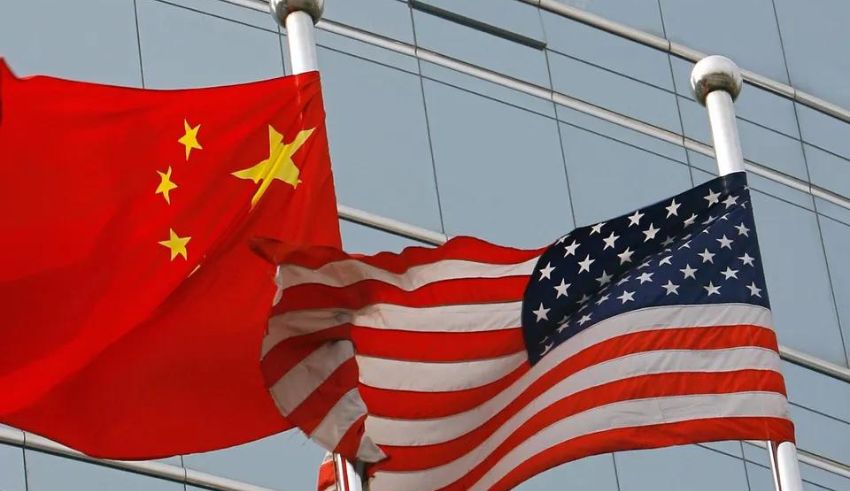
In the high-stakes game of international trade, the United States has made a strategic move to control exports to China, a maneuver that could potentially place China in a checkmate position. This complex game is not just about trade balances or market access; it’s about power, technology, and the future of global leadership.
The US Strategy: A Tight Grip on Technology
At the heart of the US strategy is the Export Administration Regulations (EAR), a set of guidelines that govern the export of dual-use goods and less-sensitive military items. The Bureau of Industry and Security (BIS) plays a pivotal role in ensuring that exports from the United States comply with these regulations. The EAR is regularly updated, reflecting the dynamic nature of national security interests and foreign policy objectives.
China’s state-led industrial policies, such as Made in China 2025 (MIC 2025), aim to establish China’s leadership in emerging technologies critical to future commercial, government, and military capabilities. However, the US perceives these ambitions as a direct challenge to its own technological supremacy and has revised its export control system to address concerns about China’s pursuit of advanced technologies through U.S. commercial ties.
The Impact of Export Controls
The US has imposed sweeping tech restrictions, including measures to cut China off from certain semiconductor chips made anywhere in the world with US tools. This move aims to slow Beijing’s technological and military advances, highlighting the strategic use of export controls as a tool of economic statecraft.
In retaliation, China has enacted its own Export Control Law, reserving the right to restrict items not on the control list if the exporter “is or should have been aware” of potential risks to China’s national security or national interests. This law is seen as China’s countermeasure to the US’s tightening grip, signaling a tit-for-tat escalation in the trade war.
A Losing Game for China?
The question remains: is this a losing game for China? While the US controls may hinder China’s access to critical technologies, they also push China to accelerate its own technological development and reduce reliance on foreign imports. The outcome of this export control chess game is far from decided, and the next moves by both the US and China will be critical in determining the balance of power in the global technology arena.
As the US and China continue to navigate this complex relationship, the world watches closely. The implications of these export controls extend beyond the two nations, affecting global supply chains, international security, and the future of innovation.