
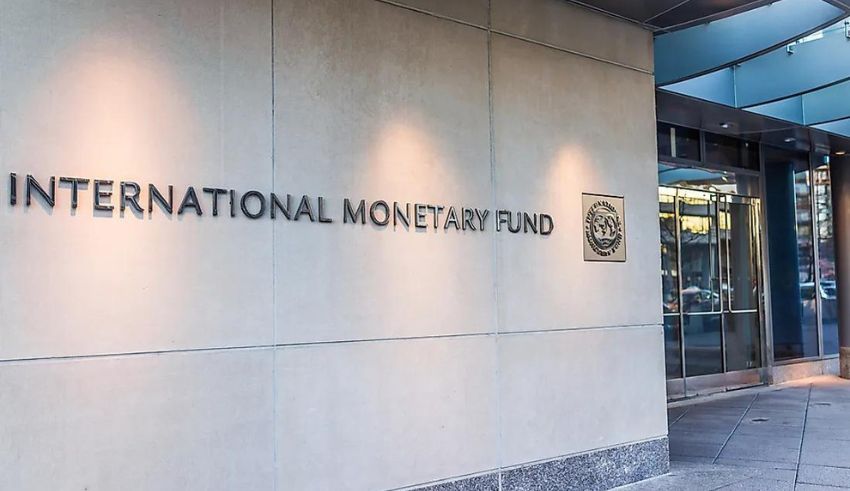
With the end of the decade fast approaching, the International Monetary Fund (IMF) has published a report outlining the world’s biggest economies by 2029. Emerging markets are overtaking established economic titans in the global economic power structure, which has undergone a dramatic transformation.
The World’s Biggest Economies in 2029
- United States: The U.S. has been a dominant economic power with a diverse economy leading in sectors such as technology, finance, and healthcare.
- China: China’s rapid growth has been fueled by manufacturing, exports, and infrastructure development, making it a major global economic force.
- India: India’s economy has been growing due to its services sector, information technology, and increasing consumer market.
- Germany: Known for its engineering, automotive industry, and high-quality exports, Germany has been the largest economy in Europe.
- Japan: Japan’s economy has strengths in technology, manufacturing, and a highly skilled workforce, despite facing challenges like an aging population.
- United Kingdom: The UK’s economy is significant in finance, services, and trade, with London being a global financial hub.
- France: With a strong presence in sectors like luxury goods, aerospace, and nuclear energy, France has a diverse economy.
- Brazil: As the largest economy in Latin America, Brazil’s economy is resource-rich, with significant agricultural, mining, and energy sectors.
- Canada: Canada’s economy is known for its natural resources, energy, and financial services sectors.
- Italy: Italy’s economy is recognized for its manufacturing, especially in fashion, automotive, and machinery.
- Mexico: Mexico has a growing economy with a strong manufacturing sector, particularly in automobiles and electronics.
- Russia: Russia’s economy is heavily reliant on natural resources, especially oil and gas exports.
- Australia: Known for its mining sector, Australia also has significant contributions from finance, education, and tourism.
- Indonesia: Indonesia’s economy is diverse, with important sectors including agriculture, manufacturing, and services.
- South Korea: South Korea has a highly developed economy, known for its electronics, automobiles, and shipbuilding industries.
- Spain: Spain’s economy is diversified across various sectors, including services, manufacturing, and agriculture.
- Saudi Arabia: Dominated by oil production and export, Saudi Arabia is also diversifying into other sectors.
- Netherlands: The Netherlands has a strong economy with a focus on services, particularly trade and financial services.
- Türkiye: Türkiye’s economy is characterized by a mix of modern industry and commerce, alongside a traditional agriculture sector.
- Switzerland: Known for its financial services, Switzerland also has strong pharmaceutical and manufacturing sectors.
- Poland: Poland’s economy has been growing steadily, with significant contributions from manufacturing and services.
- Taiwan: Taiwan has a dynamic capitalist economy with strengths in technology manufacturing and electronics.
- Bangladesh: Bangladesh’s economy is driven by its textile industry, agriculture, and remittances.
- Sweden: Sweden’s economy is known for its high-tech capitalism and a diverse industrial base.
- Belgium: Belgium has a highly developed economy with a strong focus on services, particularly in the EU context.
- Thailand: Thailand’s economy is heavily export-dependent, with tourism and agriculture as significant sectors.
- Philippines: The Philippines has a growing economy with contributions from remittances, services, and manufacturing.
- Ireland: Ireland’s economy is known for its strong pharmaceutical and technology sectors.
- Argentina: Argentina’s economy is resource-rich, with agriculture and energy as key sectors.
- UAE: The UAE has a diverse economy with strengths in oil, trade, tourism, and finance.
Factors Driving Growth
Different elements have contributed to the evolution of these modifications. Among these include population growth, technological developments, and wise economic changes. The rewards of large expenditures in infrastructure and education, together with adoption of the digital economy, are now being felt by nations. Among the countries that have embraced the digital economy are these ones.
Prospects and Difficulties to Overcome
The study clarifies the future difficulties even if the rise of these economies is genuinely amazing. Issues include income inequality, geopolitical unrest, and climate change can upset the established economic stability. Conversely, these difficulties also bring chances for cooperative efforts and innovative partnerships to expand and flourish at the same time.
Watch What’s Coming Up
An essential and timely reminder that the global economy is dynamic is given by the International Monetary Fund report. The countries who can adjust to shifting circumstances and undertake long-term growth investments will probably lead the world economy in the years to come.