









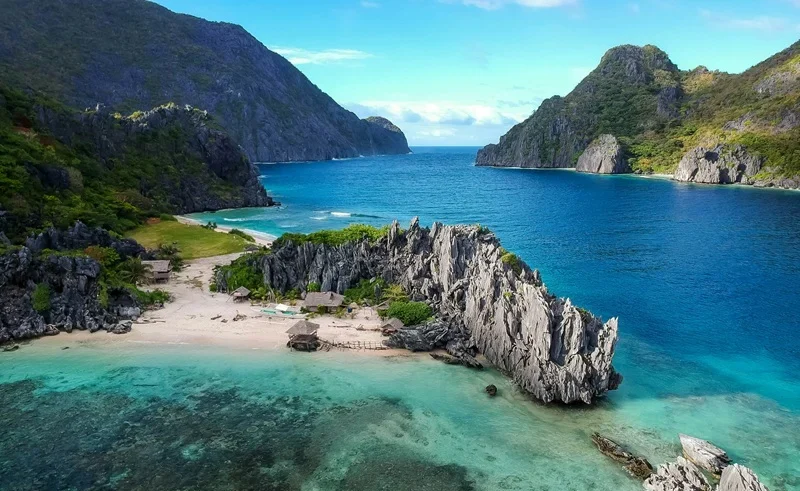
The Philippines is an absolute paradise for tourists from all over the world, with its crystal-clear waters in El Nido, the lively nightlife in Manila, and its world-famous hospitality. The number of tourists is rising dramatically as they travel to Southeast Asia’s ultimate island-hopping destination. But in a new country, there always needs to be a good level of cultural and situational awareness.
You’ll want to make sure you’re in full command of the archipelago during your tropical vacation so you can create unforgettable moments and avoid legal and logistical nightmares. If you are going to take an extraordinary vacation this season, you should know the following 5 travel safety rules for traveling in the Philippines to keep you, your wallet, and your legal status safe.
1. Complete the Mandatory, Fee-Free eTravel Registration Within 72 Hours
Your first infractions of compliance start the moment you cross the gates when you arrive. The Philippines has a system of digitized immigration, which is strictly enforced in order to keep track of the tourists who enter the country and also to streamline the border security of the country.
All Foreign Nationals who will enter the Philippines by air or sea are required to file their registration through the Official Philippines eTravel Portal within 72 hours before arrival.
After entering your passport number, flight number, and first hotel location, your personal QR Code will be created automatically. Capture a screenshot of these codes and store them on your cell phone. This electronic pass is mandatory for travelers and must be presented at the departure check-in counter and the Bureau of Quarantine when they arrive in the Philippines for safe entry requirements compliance.
2. Keep Your Distance: Steer Clear of Local Political Demonstrations
An active and fervent civic culture prevails in the Philippines. Large loud street protests or public political rallies may sometimes be seen during your travels in bustling commercial hubs such as Metro Manila, Cebu, or Davao.
Your safest bet as a visitor is to turn around and leave. Strict domestic immigration laws set by the Department of Foreign Affairs (DFA) make it illegal for foreign tourists to take part in public demonstrations or political rallies.
Protest, even as a passive journalist, can lead to immediate arrest and detention, and to formal deportation from the country by the Bureau of Immigration. Limit travel to leisure purposes only, and stay out of local politics.
3. Protect Your Health: Shield Yourself Against Dengue and Foodborne Risks
There is a much greater likelihood of a biological threat to your well-being every day in major holiday destinations like Boracay or Siargao than violent crime. If you follow a few basic health tips, you won’t have to make a trip to the local emergency room.
- Public health alerts on Dengue fever are issued based on the routine seasonal increase of the disease, especially in big cities and urbanized areas of Metro Manila and in rural villages of the provinces. Cover up skin with light-colored clothes, and apply mosquito protection sprays throughout the day.
- Strict Water Discipline: Use of tap water in the Philippines is not advisable for foreigners’ digestive systems. Only use bottled water for drinking and toothbrushing. Also, please make sure that your vacation ice cubes are completely purified and are commercially produced in tubes, not crushed local tap water.
4. Map Your Footsteps: Honor Global Travel Advisories for Regional Boundaries
The entire Philippine archipelago is very peaceful and safe for solo backpackers as well as families. However, there are travel alerts that are specific to certain areas in the Deep South.
If you’re planning your trip, keep an eye out for security tips provided by international security agencies, including the detailed Smartraveller Advisory Framework.
All travel to central and western Mindanao, the Zamboanga Peninsula, and the Sulu Archipelago is strongly advised against by foreign governments because of increased risks for local outbreaks of insurgent activity, civil unrest, and law enforcement action. Follow the set routes for the tourists and enjoy your holiday without hassles and without any danger!
5. Stay Grounded: Never Carry or Use Illegal Substances
The Philippines has an absolute zero tolerance for the use, sale, and trafficking of illegal drugs. Some countries have been easing their drug policies regarding recreational drugs, but the local policies here are very firm.
Drug intercepts are a top priority at all airports, transit centres, and nightclubs. Even possessing trace quantities of a banned substance has mandatory minimum penalties that routinely increase to life imprisonment, with no bail option. Respect local statutory boundaries, ensure transits are luggage secure, and have a nice night out in a clean way.
Plan Your Perfect Philippines Getaway Today
How Much Should You Budget?
Find out the real costs behind a Philippines vacation.
Which Islands Are Driving Tourism?
Uncover the hidden gems attracting travelers this season.
Can You Still Grab ₱1 Flights?
Check out smart hacks to secure Cebu Pacific deals.
Looking Beyond Bali’s Busy Beaches?
Explore untouched Philippine islands for a quieter escape.
Why Are Honeymooners Choosing Philippines?
Discover budget-friendly islands perfect for romantic getaways.
FAQs
Do I need a return ticket to enter the Philippines?
Yes. To satisfy basic safe entry requirements Philippines criteria, immigration officers will demand proof of a confirmed return flight ticket or an onward journey ticket to another country departing within your legal visa-free window (typically 30 days for most nationalities).
Is it safe to use public transportation in Manila?
Yes, but you must remain alert to your surroundings. While the modern MRT/LRT rail lines and ride-hailing apps like Grab are highly secure and efficient, casual pickpocketing and bag-slashing can occur in densely crowded public buses or traditional jeepneys. Keep your valuables zipped up and held in front of your body.
Are digital payments widely accepted across the islands?
Major commercial malls, high-end resorts, and restaurants in cities like Manila and Cebu accept Visa and Mastercard seamlessly. However, if you are traveling to remote islands, surfing destinations, or local food markets, cash is still the undisputed king. Always carry a sufficient bundle of Philippine Pesos (PHP) in small denominations.