









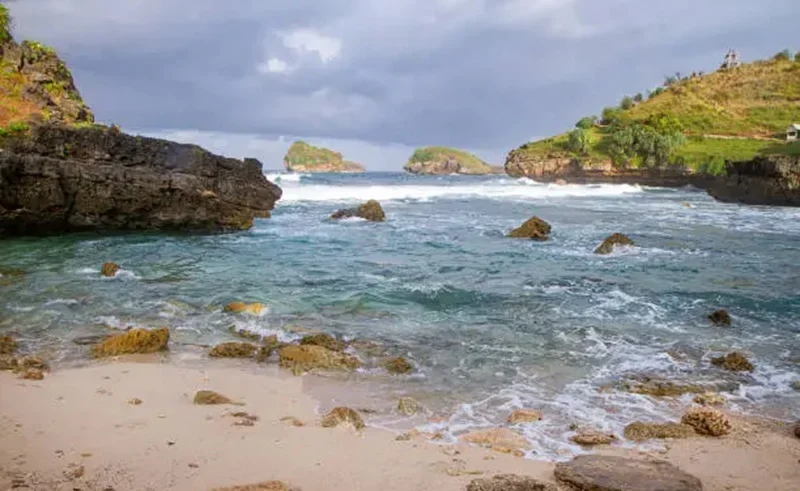
Bali’s beautiful beaches are still a tourist magnet, but these beaches often experience a lot of overtourism. For those looking for a more tranquil alternative, travel destinations are looking beyond to other areas. For those who seek an unspoiled and pristine shoreline, a mesmerizing geology, and a wild coastline, visiting the beautiful and hidden beaches of Southern Java is the ultimate adventure.
This detailed Southern Java hidden beaches guide introduces you to amazing off-the-beaten-path beaches in Southern Java — where you can enjoy the region’s beaches in style without the crowds.
Why Southern Java is the New Frontier for Beach Lovers
The southeast coast of Java is bathed by the vast and deep Indian Ocean. This distinctive geography results in dramatic limestone cliffs, dynamic tidal pools, and world-class barrels, which certainly don’t feature the bustle and commercial lines of Kuta or Seminyak.
The insights obtained from the promotional campaign conducted by the official Ministry of Tourism of Indonesia (Wonderful Indonesia) indicate that sustainable infrastructure development of the Trans-Java highway network finally has opened up these remote marine ecosystems. If you are an environmentally-friendly traveler, then you can enjoy the beaches of Southern Java and enjoy the thrill of adventure as well as the beauty of nature.
Top Beautiful Hidden Beaches in Southern Java to Visit
If you are ready to plan an authentic tropical escape, make sure to add these incredible coastal hideaways to your itinerary.
1. Watu Karung Beach, Pacitan (East Java)
Nestled in the Pacitan Regency, Watu Karung is a paradise of soft white sand, turquoise waters, and lonely, naturally emerging limestone islets. Search for the well known “Sphinx” rock formation that has been shaped by the tides.
- Best For: Pro surfers chasing heavy barrels and travelers looking for dramatic sunset photography.
2. Klayar Beach, Pacitan (East Java)
Klayar beach is located a little away from Watu Karung. It is known for its rocky terrain and its famous cliff called the “Sea Sphinx”. The feature that stands out here is a natural marine fountain, a blowhole formed by sea waves crashing against a hollow coral formation, sending sea spray up to 10 metres into the air.
3. Wediombo Beach, Yogyakarta
Wediombo is a beautiful bay surrounded by volcanic rock formation located in the Gunungkidul Regency. The highlight is the natural pool created by a coral ring that stands up to the mighty waves of the Indian Ocean, ideal for a soothing dip during low tide.
More Beach Escapes
Need Quieter Vietnam Beaches?
Find peaceful coastal spots beyond busy Da Nang.
Where Are Thailand’s Secret Beaches?
Uncover hidden paradise escapes for your next trip.
Planning The Perfect Bali Vacation?
Browse the best beaches, hotels and nightlife.
Which Bali Beaches Stay Hidden?
Check out untouched shores away from the crowds.
Where Can You Find Pink Beaches?
Discover the Philippines’ stunning pink sand destinations.
Key Safety Precautions for Southern Java Travelers
Safety is crucial at these places, as they are in direct contact with the open sea, and as part of a hidden paradise in Java.
- Be aware of powerful rip currents: The Indian Ocean is a source of strong rip currents. Swim only in areas where there is a clear lagoon barrier, or under supervision of lifeguards.
- Monitor Local Tide Schedules: Blowholes and natural tidal pools are very tide dependent. If going out at low tide, beware of unexpected waves.
- Arrange Reliable Transportation: There are coastal areas where public transport is not extensive. The best way to get around the twisting streets is by hiring a private car or an experienced local driver from the transit hubs, such as Yogyakarta.
FAQs
2. Do I need to pay an entrance fee to visit these remote beaches?
Yes, most managed locations require a small local conservation contribution (Retribusi). These fees typically range from 5,000 to 15,000 IDR (less than $1 USD) per person, which directly supports local village community maintenance.
3. Is it safe to swim in the natural pools along the southern coast?
Yes, but only during designated low-tide windows. When the high tide rushes in, large waves easily breach the coral barriers, creating hazardous conditions instantly.