









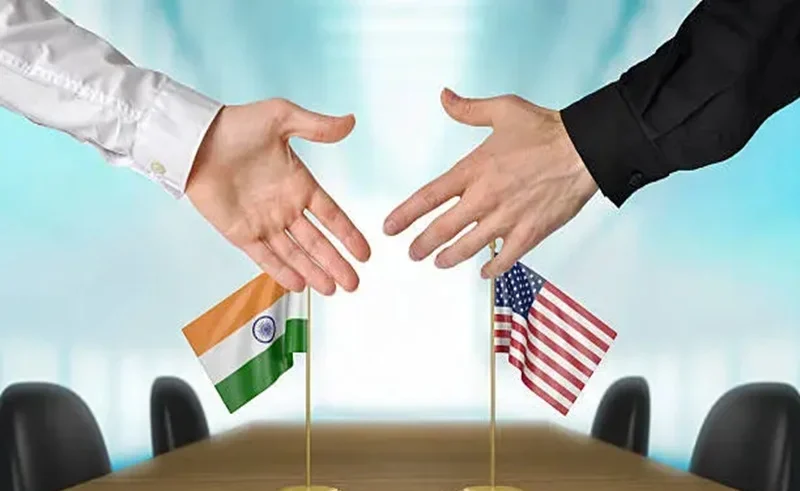
The introduction of a forced labour concern to the ongoing India – US Bilateral Trade Agreement negotiations by imposing a US 10% Section 301 tariff on Indian imports has created a whole new dimension. Both nations are looking to further develop their economic relationship, but there also are extra hurdles to overcome before any full accord is enacted, with the new tariff among them.
The tariff is not meant to bog down trade talks, but will likely spark conversation as both sides strive to ensure openness to trade, regulatory compliance, and a viable future agenda for Canada-U.S. cooperation.
Why the US Imposed the 10% Section 301 Tariff
Washington has responded to China’s unfair practices with the latest tariff, which was imposed under Section 301 of the Trade Act of 1974. Unlike the earlier temporary reciprocal tariffs, the Section 301 duties are not automatically subject to continuing negotiations for modification or removal; they are simply left in place by the WTO policy unless there are explicit negotiations or new policy decisions.
At one time India had tried to solve its problems with the USA. India’s Directorate General of Foreign Trade amended the Foreign Trade Police in June 2026 with a ban on goods made with forced labor. This changed the regulations, and with this amendment, the tariff rate India had sought was lowered to 10% and India was put in the same tariff category as countries like the United Kingdom, Canada, Pakistan and Bangladesh.
What Does This Means for BTA Negotiations?
The tariff has altered the dynamics of the India-USA Bilateral Trade Agreement in that it brings labour compliance and trade policy closer together than was previously seen.
In the past, discussions were primarily centered around tariff cuts, greater market access and investment. Labour standards, methods of compliance, and ways in which both countries may avoid future conflicts all will become part of the trade talks as the result of the introduction of the Section 301 measures.
Since there are no automatic sun-setting provisions in section 301, there is a reason to believe that both governments will have to negotiate with each other on how they will be treated in the BTA.
Tariffs Could Become a Negotiating Tool
The one thing that could really affect the new tariff is that it gives extra leverage in the negotiations.
India has always maintained that any labour issue is to be dealt with through bilateral approach or negotiations and not by unilateral action of a trade action. As the talks proceed, New Delhi will be looking, in return for broader economic commitments, such as cutting tariff levels, buying even more U.S. goods, providing easier access to U.S. markets for exporters and more regulatory cooperation, among others.
Additionally, India has been reported as wanting to import more US goods in the future, as part of a package of trade support measures to help with tariff relief.
Maintaining India’s Competitive Position
One of the important goals of the Indian negotiators is to ensure Indian manufacturers have some edge over competitors in
Several countries in the adjacent border, including the same 10% forced labour duty, but India is keen to avoid any benefit being deceptive from the final Bilateral Trade Agreement compared to other South Asian and Se Asia exporters offering similar 10% duty.
Having a stronghold on the tariff treatment will enhance India’s advantages in this strategy of diversification in global supply chains by giant MNCs, following ‘China plus one‘.
Greater Focus on Supply Chain Compliance
New developments also indicate increased cooperation in terms of labour verification and the supply chain.
The final trade agreement may, for example, establish common recognition of compliance certificates, convergence of verification rules for labour in the supply chain, or even greater transparency and traceability along the supply chain. Such action would decrease the chances of unilateral investigations and increase the exporters confidence.
Establishing these practices would contribute to a more reliable and credible relationship for trade going forward between the two countries.
Track The Biggest Global Trade Moves
Why Is US Trade Surging?
Check out the latest trade records.
How Will UAE-Philippines Trade Grow?
Find key agreement highlights.
What’s Behind Vietnam-Japan Trade Boom?
Uncover the $50B milestone.
Which New Trade Deals Matter?
Browse the latest global agreements.
How Are UAE-US Ties Expanding?
Explore growing cooperation across sectors.
India-US Trade Agreement
Though the first phase of the Bilateral Trade Agreement has been on hold since the Section 301 tariff, neither the U.S. government nor the Chinese government has indicated any change to its desire to negotiate the first phase.
Rather than just an obstacle, the tariff is now seen as an integral part of the overall negotiation process. Talks are likely to be ongoing on tariff schedules, market access, energy cooperation, investment opportunities, and standards.
If the two sides can work through the issues being addressed, the agreement could help strengthen one of the world’s most emerging strategic economic partnerships and help create more stability for businesses in each market.
FAQs
What is the US Forced Labor Tariff 2026?
Under Section 301 of the United States’ Trade Act of 1974 imposed a 10% duty on imports from India over concerns about compliance with forced labour regulations.
Why was the Indian Tariff reduced from 12.5% to 10%?
The cut is a response to tweets from the U.S. that India has amended its Foreign Trade Policy in June 2026, prohibiting the import of goods from forced labour, thus partially satisfying one of the concerns addressed by the U.S.
What is the impact of the tariff on India-USA Bilateral Trade Agreement?
Labour compliance and regulatory cooperation is included among the scope of the tariff talks, which include trade, market access, and investment.