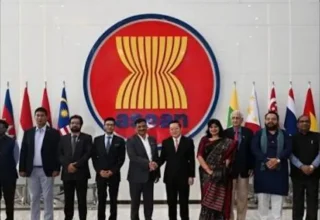










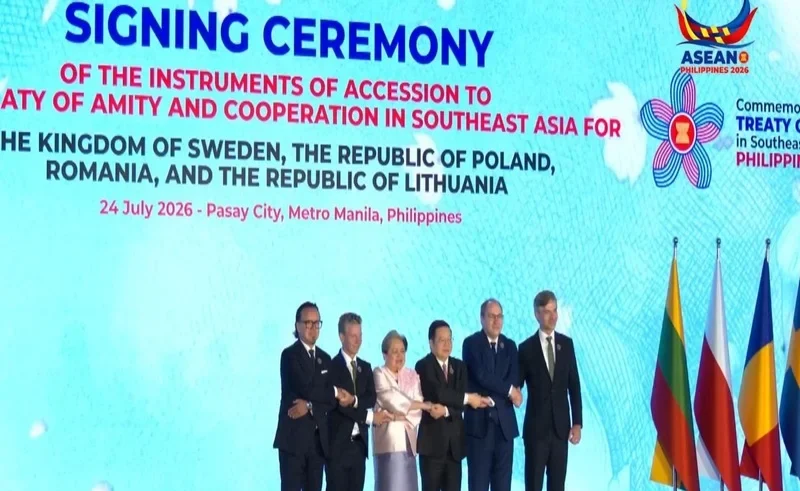
The Treaty of Amity and Cooperation in Southeast Asia is marking its 50th anniversary in 2026, highlighting five decades of promoting peace, mutual respect, and regional cooperation. Originally launched by the founding ASEAN countries in 1991, the ASEAN Agreement has now grown into one of the world’s biggest and most influential political cooperatives involving over 60 High Contracting Parties from around the world.
With ASEAN building its relationship beyond its traditional partners, Panama is becoming a more prominent player in ASEAN’s relationship with Latin America. Its location, world-class logistics and evolution of diplomatic cooperation has given the country the potential to become a bridge between Southeast Asia and the Americas.
The Treaty of Amity and Cooperation: From Regional Pact to Global Framework
TAC was signed in 1976 to further the cause of peaceful coexistence, respect for sovereign rights, non-interference in other countries internal matters and peaceful settling of disputes. The principles have been fundamental to ASEAN’s diplomatic image and play a significant role in furthering ASEAN’s ties with the outside world.
The treaty has grown much broader over the last 50 years to encompass far wider areas. The agreement has been ratified by nations in Asia, Europe, Africa, Oceania and the Americas, showcasing internationally how ASEAN has embraced the cooperative method in its foreign affairs. Currently, it is seen as one of the preferred options for countries in their process of deepening the institutional cooperation with ASEAN.
Why Panama Matters in ASEAN’s Latin America Strategy?
The TAC accession is gaining greater importance for Panama following ASEAN’s interest in expanding economic cooperation and promoting South-South cooperation. Panama is no longer just a diplomatic ally: it’s also moving into a strategic position as a bridge for Southeast Asian companies and enterprises to reach markets in Latin America.
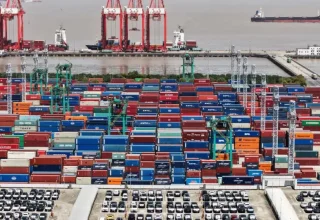
The geographically advantageous situation is a distinctive advantage for the country. From then on, the Panama Canal has been one of the world’s greatest trading routes and it is still an extremely efficient way today of getting goods from Singapore, Vietnam, Malaysia, Indonesia and the other economies of the ASEAN region to the Atlantic or the eastern coast of the Americas. The shipping service is of intense value, especially as enterprises across the world chase diversification of their supply chains.
Logistics and Trade Opportunities Continue to Expand
In addition to the Panama Canal, the Colón Free Trade Zone also becomes a hub of major regional distribution for exporters from the ASEAN region. It is the biggest free trade zone in the world, allowing businesses to store, process and resell goods in the region of Central America and the Caribbean at a more efficient rate.
Panama is an alluring and strategic location for multi-national organizations to locate their regional headquarters. It has expanded ease of coordination for ASEAN companies in investments and business activities throughout Latin America, through its logistics ecosystem, financial services and policies that are more conducive to businesses.
Stay Updated On ASEAN Moves
What Happened At Manila Talks?
Check out the key trade discussions.
Why Are Ministers Meeting Now?
Find the latest regional priorities.
What’s Inside ASEAN-US Work Plan?
Uncover the new five-year roadmap.
Which ASEAN Industries Are Booming?
Explore the fastest-growing business sectors.
Ready For ASEAN Travel Changes?
Browse the latest visa requirements.
Shared Priorities Under the TAC Framework
Increasingly, ASEAN, and Panama are embracing action, not symbols, when it comes to actually working cooperatively together. The development of digital customs procedures, cargo processing and enhancement of trade facilitation between both regions are underway.
The partnership also defends collaboration in the agricultural field, maritime links and sustainable development. Internationally, the view of open trade, safe shipping routes, and greater cooperation in groups like the United Nations and the World Trade Organization are still reflected in the policy of ASEAN and Panama.
FAQs
What is the Treaty of Amity and Cooperation (TAC)?
The Treaty of Amity and Cooperation was signed by ASEAN in 1976 to advance the cause of peace, the maintenance of mutual respect, the principles of sovereignty and non-interference, the settlement of disputes by peaceful means and mutual assistance among ASEAN members and partner countries.
Why is Panama important to ASEAN?
The Panama Canal and the Colón Free Trade Zone make Panama into a strategic logistics and maritime hub that supports Asian/ASEAN businesses to broaden their trade/investment activities in Latin America.
What role does the Panama Canal play in the trade in ASEAN?
The Panama Canal decreases both inefficiency in cargo transportation and transit times, and aids in diversifying supply chains for ASEAN exporters.