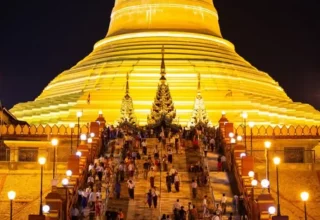










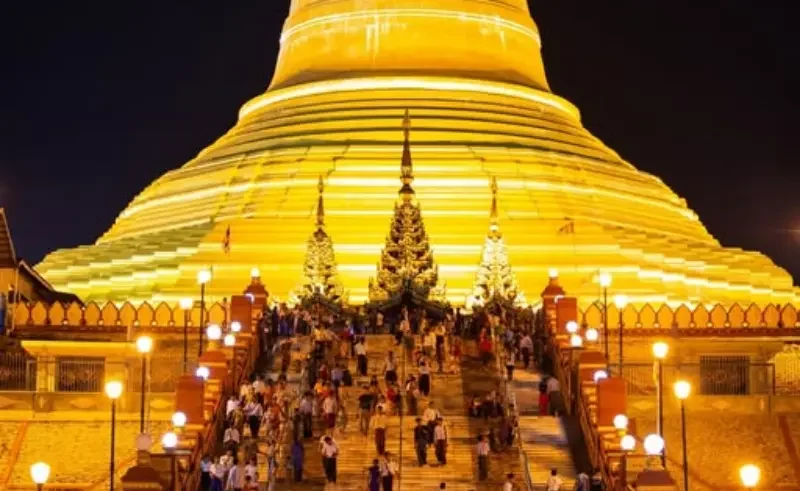
Thadingyut Festival of Lights is one of the most important Buddhist festivals of Myanmar, which signifies the end of 3-month Buddhist Lent (Vassa). The festival, which spans three public holidays, is observed across the family and community by participating in religious activities, lighting up pagodas and treating everyone with respect.
The in-depth experience of Thadingyut Pyokkum Myanmar will be enhanced if visitors know the customs of the country. It is important to note some key items of temple etiquette that will help travelers to join in with reverence in the festivities, such as paying respect to elders and dressing appropriately at a temple.
Thadingyut Festival Traditions
The Buddhist tradition states that Thadingyut is in memory of Gautama Buddha’s coming back to the human realm at Sankassa having taught Abhidhamma to the celestial realm for three months in Tavatimsa Heaven. To usher him into their lives, devotees light their homes, streets and religious institutions using oil lamps, candles and colours.
Paying Respect to Elders Through Gadaw
Gratitude, forgiveness and acknowledgement for parents, teachers, monks and older family members is also a key aspect of the festival.
How does the Gadaw Tradition Work?
The gadaw is one of the most important traditions of Thadingyut, which is the traditional act of respecting elderly people. The younger in families visit their parents, grandparents, teachers and other respected people to thank them, and seek forgiveness for any wrongs done in the past.
This may range from a bow of respect, to a kneel down, or to palms together depending on family practices. The elders usually reciprocate with blessings and guidance. Little bits of change or gifts can also be given to the children as part of the tradition.
Appropriate Gifts for Elders
Gentiles who are invited to join a family dinner can bring fruit, sweets, flowers or something else that’s inexpensive. While expensive gifts aren’t required, it is appreciated that they are thoughtfully given.
If a person is performing a gadaw ceremony, respect the gestures of the person and don’t act out the ceremony. Requesting any specific word of greeting or gesture in a courteous manner is nice, it is a considered way to see how to ask about local customs.
Pagoda Dress Code and Visiting Rules
Some guidelines to be followed during Thadingyut for dressing and visiting Pagoda.
What to Wear During Thadingyut?
Myanmar pagodas, especially at the Festival of light when devotees flock for prayers and offerings, have significance for religious observances. Modest clothing, which covers shoulders and knees, should be worn when visiting.
Trousers, long skirts and flowing shirts are useful to wear. Do not display outfits, have light covering if needed. The pagoda grounds and areas where visitors can touch or worship will typically require that the shoes and socks be removed before entering.
Photography and Religious Conduct
Myanmar’s Buddhist traditions have important religious sites like the Shwedagon Pagoda in Yangon and Mahamuni Pagoda in Mandalay. While at Thadingyut, it is possible to come across worshippers who are lighting candles, offering flowers, or praying.
Lighted buildings will usually be glad to have their image captured, as will be individual buildings with interiors, under the same conditions, except when close-up photos of worshippers or religious ceremonies are taken, which is always prohibited, and where a request is always submitted. If it is likely to disturb others who are attending church in order to pray, try to avoid flash photography.
Enjoying Thadingyut Markets and Celebrations
Street markets and traditional “snacks” and theatrical presentations called zat pwe are common features at festival evenings. The crowds can be seen enjoying food or entertainment, keeping queues in length, not littering, and asking to take pictures of performers.
Recommended Reads
Why Is Myanmar’s Rare Earth Industry Gaining Attention?
What Should You Know About Myanmar’s Thingyan Vehicle Rule?
Which Southeast Asian Festivals Offer Unique Cultural Experiences?
Where Can You Experience Bali’s Traditional Barong Dance?
How Can You Travel From Canggu to Taman Ayun Festival?