









Today, preferential trade agreement in New Delhi is being a matter of serious consideration due to a sharp rise in imports from Vietnam. The regulatory eyes of the Indian government are now being focused on the India-ASEAN trade rules in the wake of the increased reliance of the domestic electronics supply chain on Southeast Asian manufacturing.
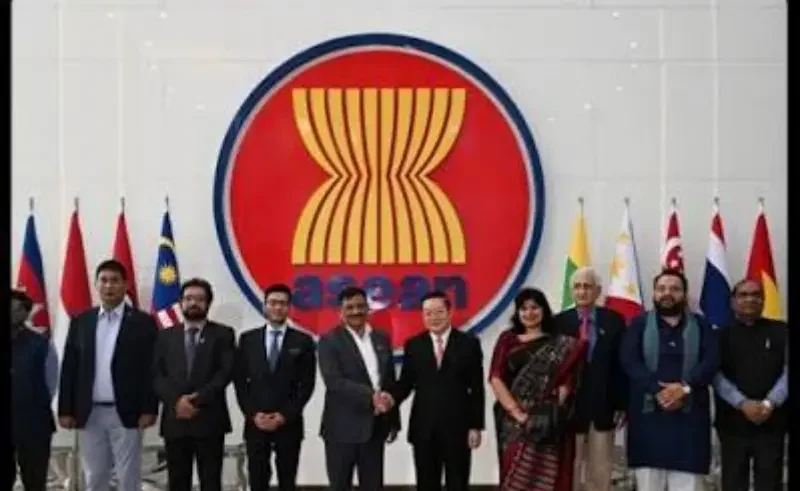
Recently, India’s trade negotiators met with the Association of Southeast Asian Nations (ASEAN) trade negotiators in Jakarta to discuss the ASEAN-India Trade in Goods Agreement (AITIGA). A key issue is the pact’s AITIGA rules of origin, trade officials said.
The existing AITIGA framework is heavily based on the common 35 percent local value addition requirement for goods to be eligible for zero or reduced duties. But India is fighting back hard against such a flat rate and wants to replace it with strict product-specific regulations.
The Ministry of Commerce and Industry seeks to put stricter measures in place to end China’s trade flow through ASEAN and ensure that its products never again flood the Indian market at reduced prices.
Protecting the Domestic Electronics Supply Chain
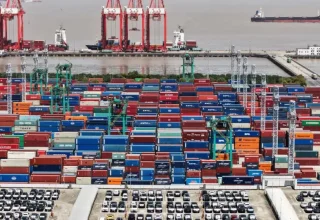
The stakes are very high for India’s emerging manufacturing industry. However, Vietnam is still a very good alternative for cost-sensitive categories, as a recent report by the communications market research firm Communications Today noted, until there is a new framework established and codified.
In detail, Indian companies import a large quantity of display assemblies, camera modules and plastic components from Vietnam.Specifically, Indian companies import a lot of display assembly, camera modules and plastic components from Vietnam.
Documentation and value addition requirements for the Vietnamese components will increase significantly if India is able to implement the demands of stricter product-specific origin criteria. Such a step would help close the existing cost differentials for imports and force businesses to get their goods from domestic factories.
Balancing Trade Ties and Enforcement
Although Indian customs officials have already tightened up under the CAROTAR framework, changes to the underlying convention are necessary for long-term implementation.
Hanoi has been placed in a high priority list for ensuring connectivity in the supply chains by the Vietnam Ministry of Industry and Trade, as key enterprises in the world are moving their production bases out of China. But Vietnam’s trade office has complained about new non-trade barriers in India, including the requirement for mandatory Bureau of Indian Standards (BIS) certification.
The current evaluation of AITIGA is expected to come to a significant end by the end of 2026. Both sides agree that it is necessary to upgrade the treaty for the integration of the region’s economy.
Recommended Reads
How Could Trump’s Oil Waiver Affect India?
What Is Holding Myanmar Back From ASEAN’s Return?
What Can Visitors Expect at AIME 2026?
Why Are Japan and India Turning to ASEAN?
Why Is China’s Trade Surplus Nearing One Trillion Dollars?